

Foods you should not store together in your fridge to prevent spoilage
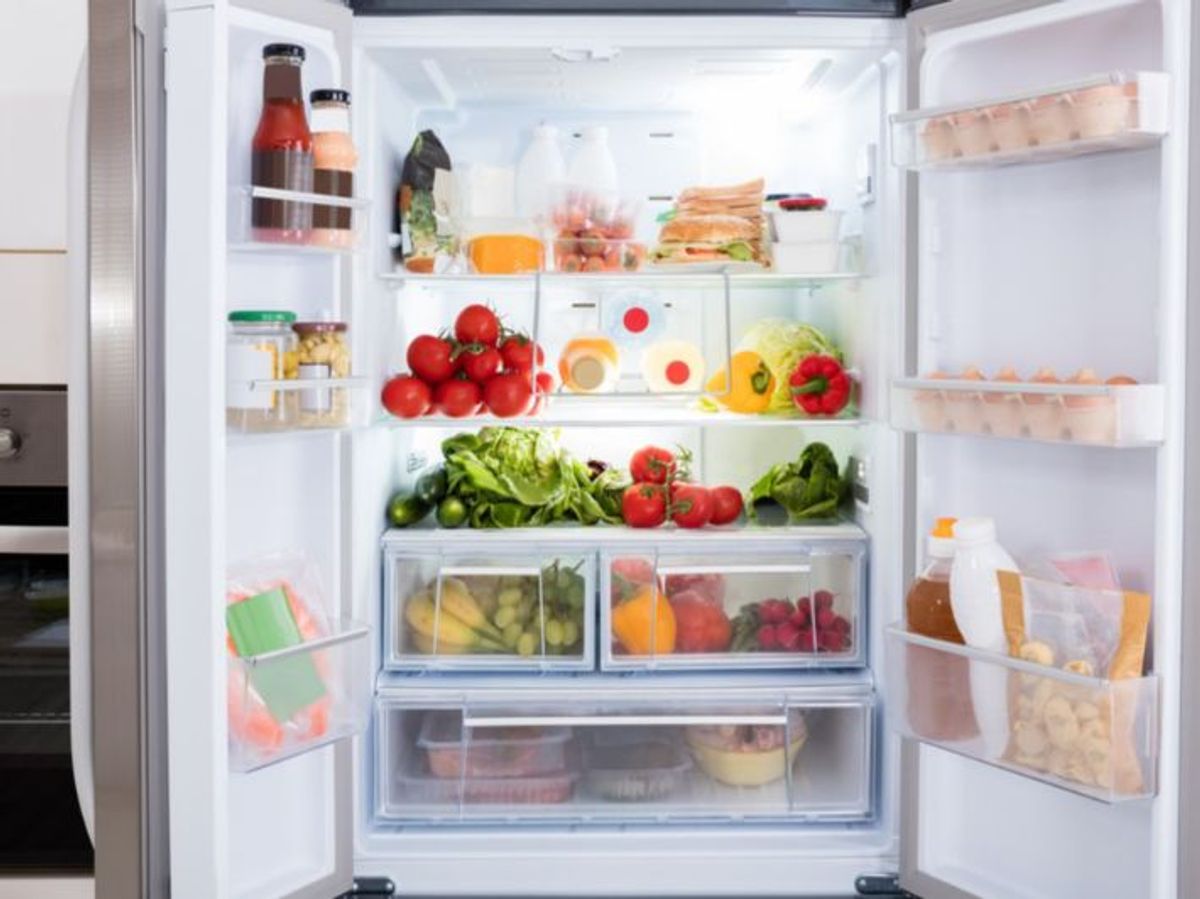
Expert warns against storing ethylene-producing fruits like apples and bananas next to sensitive vegetables such as cucumbers and carrots, as this accelerates spoilage.
Key Takeaways
AIAndrei Dorokhov, associate professor in the Department of Inorganic Chemistry at the Russian Technical University, has warned against storing fruits and vegetables that emit ethylene gas near foods that are sensitive to it.
Dorokhov explained that ethylene is a natural plant hormone released by many fruits and vegetables during ripening, which accelerates the aging of nearby foods and leads to their spoilage.
He noted that apples, avocados, bananas, pears, apricots, peaches, plums, and melons are among the main sources of ethylene, while cucumbers, broccoli, cauliflower, leafy greens, potatoes, carrots, and onions are particularly sensitive to the gas.
He added that tomatoes release moderate amounts of ethylene, which increase as they ripen. Cucumbers, in particular, yellow and lose their firmness quickly when exposed to ethylene. Storing apples next to potatoes can weaken the potatoes’ flavor and speed up sprouting, while carrots may develop a bitter taste if kept near apples.
He advised separating ethylene-producing foods from those sensitive to the gas to extend shelf life and maintain quality. He also stressed the importance of using airtight containers and bags, keeping refrigerators at appropriate temperatures (0–4°C) and freezers at –18°C, and monitoring humidity levels to prevent spoilage of dry foods and the spread of insects.