

Makkah’s heritage sites to attract 5.9 million visitors in 2026 under major development strategy
Historic and cultural sites in Makkah saw significant visitor growth in 2026, driven by a comprehensive strategy to preserve sites and enhance visitor experience.
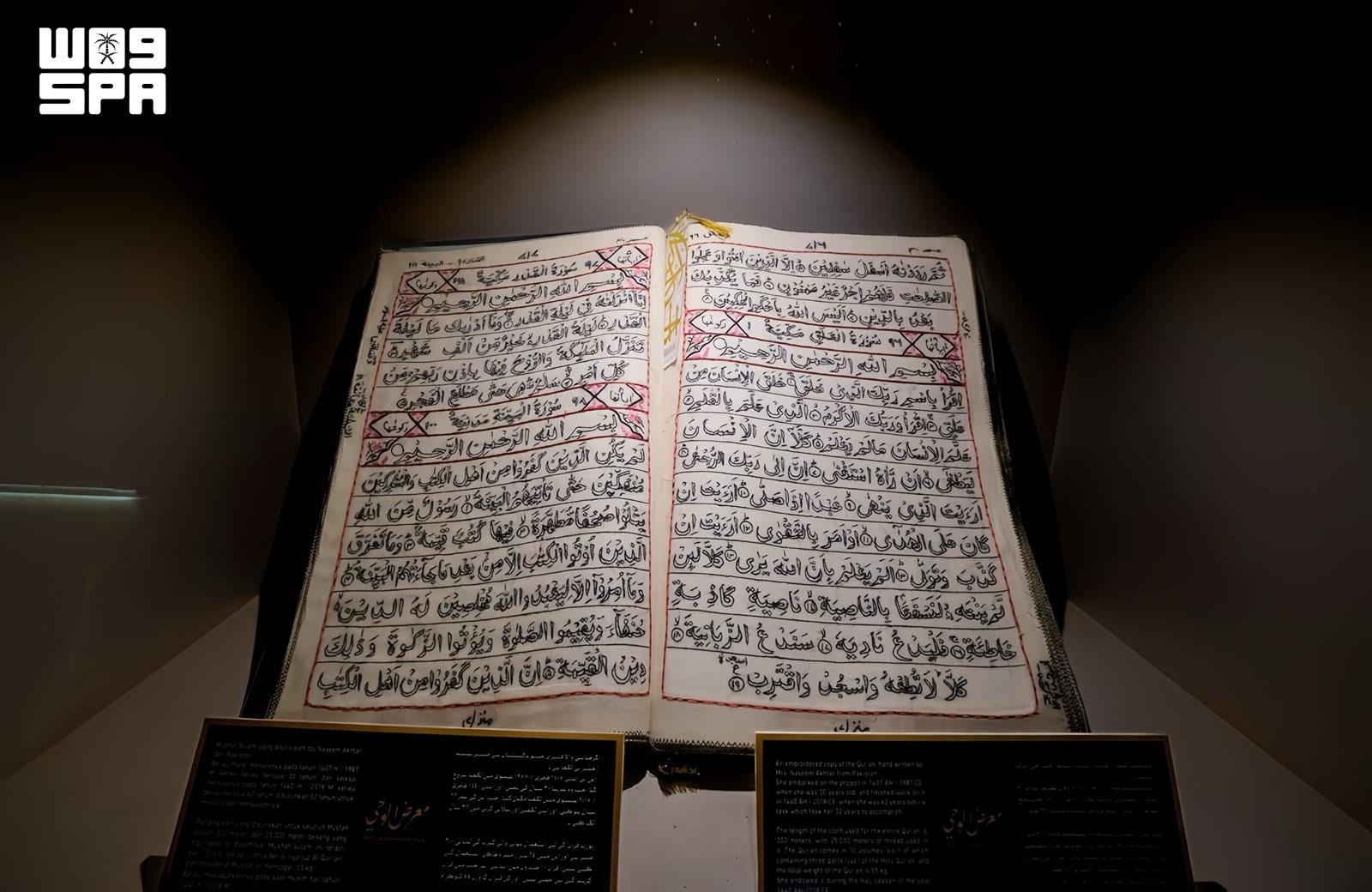
Key Takeaways
AIHistoric and cultural sites in Makkah have seen a surge in visitor numbers following the implementation of a comprehensive strategy focused on preservation, research, restoration, and reintroducing these sites in ways that improve accessibility and highlight their historical significance.
The Royal Commission for Makkah City and Holy Sites stated that the strategy integrates documentation, protection, restoration, and the development of visitor experiences, aiming to boost site readiness and sustainability. This aligns with Makkah’s broader efforts to diversify cultural and human experiences for visitors and showcase its deep historical and intellectual heritage.
Main outcomes and performance indicators
Since the launch of the strategy, 65 development studies have been completed, 56 sites documented, 32 sites restored, and the visitor experience at 23 sites enhanced. Twenty-eight sites are now open to the public, seven visitor centers have been upgraded, and the strategy has achieved 100% implementation.
Recent indicators show parallel progress across several areas, including 20 new studies, restoration of five additional sites, enhancement of five more visitor experiences, documentation of two new sites, over 15 partnership and outreach initiatives, and the production of more than 100 informational and promotional materials.
Diverse experiences and site restoration
The studies have covered a range of sites and routes, such as the Kiswa of the Kaaba trail, the Royal Palaces Avenue, the inscriptions and wells of Al-Usaila, the historic Souq Dhul Majaz, the development of the Hira Cave experience, and the second phase of the hiking trail at Ain Zubaydah.
Protection and restoration efforts have also extended to Jabal Al-Nour and Jabal Thawr, with 4.8 kilometers of fencing installed around these areas, and upgrades to the road leading to the inscriptions and wells of Al-Usaila, underscoring the priority of site preservation before enhancing the visitor experience.
Enhancing the visitor experience and knowledge access
The sites have entered a new phase focused on visitor experience and accessibility, including the launch of the Landmarks of the Two Holy Mosques Museum and the development of digital routes through the "Mazar" app, such as the "Umrah Journey" and a route starting from the Haramain train station that passes several historic sites.
Additionally, a guidebook for historic and cultural sites has been published, and new informational and promotional materials have been produced, making the story of each site an integral part of the visitor experience.
Visitor growth and high satisfaction rates
The number of visitors to historic and cultural sites reached 5.9 million by the end of the second quarter of 2026, up from 3.6 million during the same period in 2025, marking a 47% increase. Visitor satisfaction reached 95.8%.
Since the strategy was launched, total visitor numbers have exceeded 19 million, reflecting the expansion of the site network, enhanced experiences, and improved visitor information and access.