

Al-Ukhdood archaeological site in Najran draws 17,744 visitors in H1 2026
Nearly 18,000 people visited Najran’s Al-Ukhdood archaeological site in the first half of 2026, cementing its status as a leading heritage destination.
Key Takeaways
AIThe Al-Ukhdood archaeological site in Najran welcomed 17,744 visitors during the first half of 2026, reinforcing its position as one of Saudi Arabia’s most prominent heritage and tourism destinations, especially with the launch of the 2026 summer season.
The site offers a blend of educational and recreational experiences, enriching knowledge, supporting scientific research, and contributing to local community development both culturally and economically.
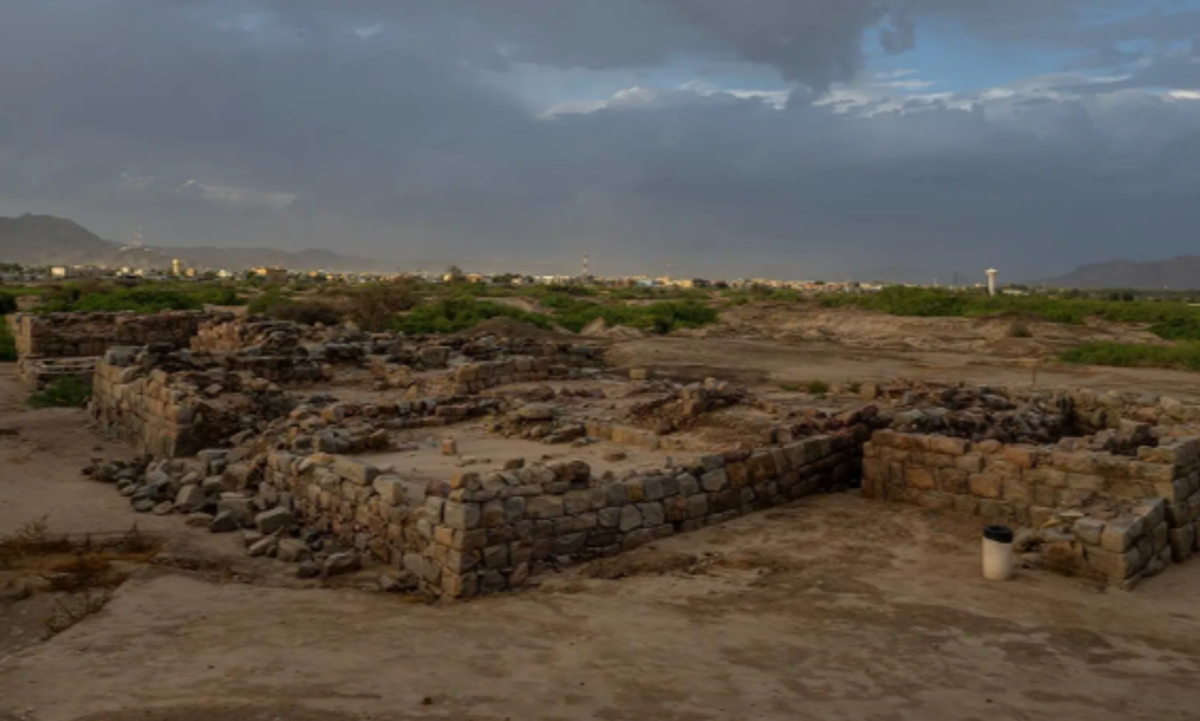
Al-Ukhdood stands as a testament to its history as a key trading center on the Incense Route, with origins dating back to the mid-first century BCE. Archaeological discoveries reveal a fortified city with walls measuring about 235 meters in length and 220 meters in width, featuring outcrops and cavities that reflect the site’s distinctive architecture.
Remnants show that building foundations were constructed from carved stone blocks ranging from two to four meters high, while upper sections were built using mudbrick. The fortress is among the main architectural features, dating from the mid-first century BCE to the middle of the first millennium CE.
Al-Ukhdood Visitor Center
The Heritage Commission noted the establishment of the Al-Ukhdood Visitor Center as an introduction to the history of Najran and Al-Ukhdood from ancient times to the present. The center covers an indoor area of approximately 300 square meters, with an outdoor space of around 3,400 square meters.
The center features interactive exhibits, 3D models, children’s halls, educational programs, and field tours showcasing the results of archaeological excavations and discoveries.