

Ancient rock inscriptions in King Salman Royal Reserve reveal rich history
Rock inscriptions in King Salman bin Abdulaziz Royal Reserve offer a vivid record of ancient civilizations and daily life across millennia.
Key Takeaways
AIAncient rock inscriptions serve as living historical records, etched in stone, bearing witness to early human civilizations and providing clear evidence of the lives of peoples throughout different historical eras.
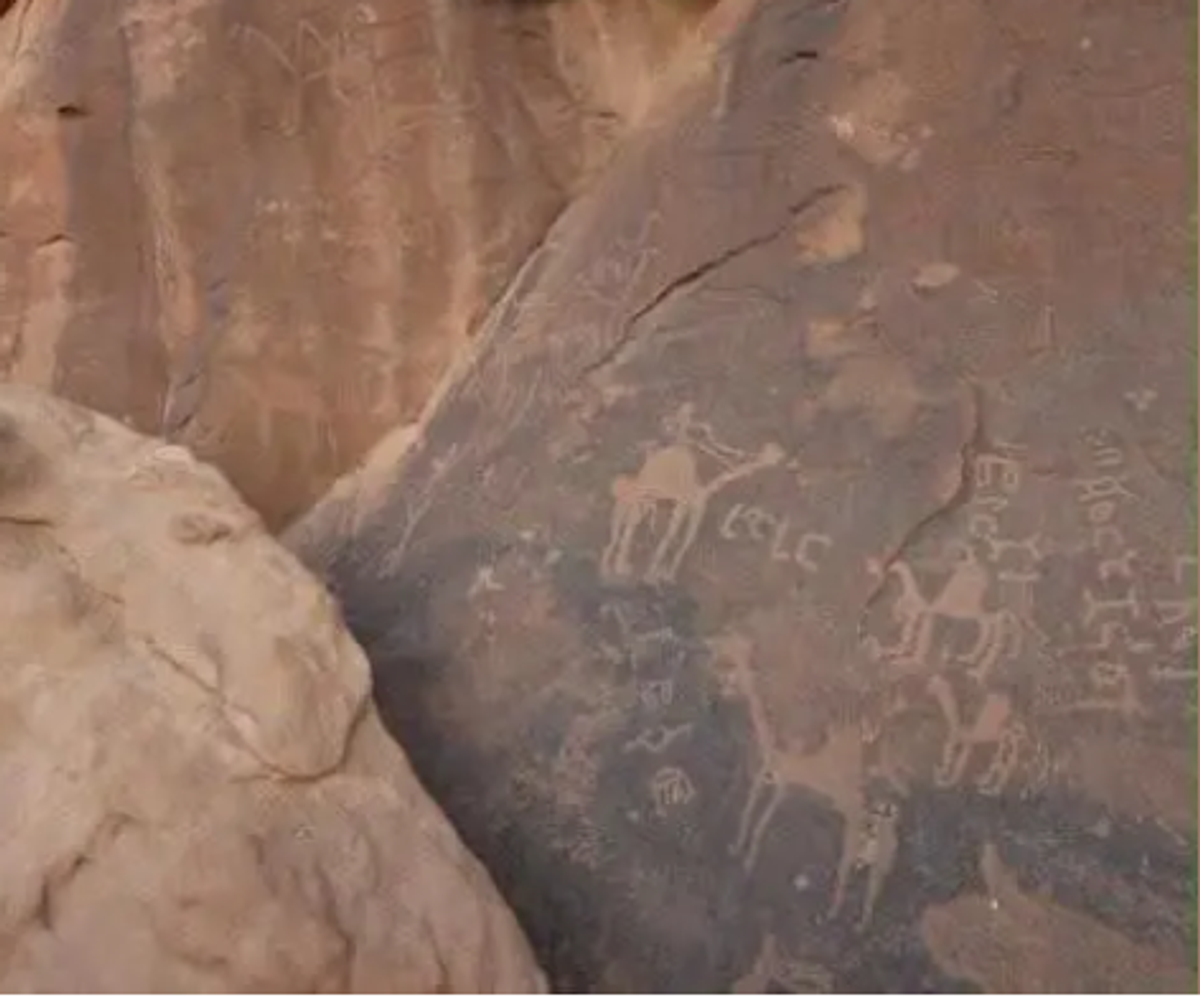
King Salman bin Abdulaziz Royal Reserve is home to thousands of archaeological inscriptions and ancient rock carvings, including Thamudic and Nabataean scripts, as well as depictions of animals, wildlife, and hunting scenes scattered across the reserve. These artworks vividly portray daily life in antiquity, hunting activities, and wild animals such as ibex, camels, and horses. The reserve is considered one of the oldest sites of human settlement in the Arabian Peninsula, distinguished by its unique and diverse landmarks that blend natural beauty, pristine landscapes, fresh air, and geographical and cultural variety. Some of its rare relics date back as far as 8,000 BCE. The area also features significant archaeological and historical sites, evidenced by ancient rock art, settlements, and artifacts that provide deep insights into the region’s human history. This rich cultural heritage forms an integral part of the reserve’s value and the ongoing efforts to preserve it.
The reserve includes prominent archaeological and historical sites, most notably the historic Jubbah area, which is listed by UNESCO and features the Umm Sinman Mountain oasis and ancient rock art dating back thousands of years. The site of Kluwah preserves prehistoric artifacts and inscriptions, while the historic Emirate Palace in Al-Eisawiyah stands as a heritage landmark within the reserve. Over 400 archaeological and historical sites have been catalogued on the reserve’s map, spread across the Northern Borders, Hail, Al-Jouf, and Tabuk regions. The reserve encompasses 14 distinct geographical formations, ranging from towering mountains to vast plains and rolling plateaus. Its richness is further enhanced by the presence of valuable minerals considered rare natural treasures, as well as its geographic diversity across four administrative regions: Northern Borders, Hail, Tabuk, and Al-Jouf.