

Al-Shabibiyah Mosque in Al-Badaea showcases classic Najdi architecture
Al-Shabibiyah Mosque in Al-Badaea stands as a key heritage site, reflecting traditional Najdi architecture and the region’s rich cultural history.
Key Takeaways
AIAl-Shabibiyah Mosque in Al-Badaea, located in the Qassim region, is one of the most prominent historic mosques exemplifying traditional Najdi architecture. The mosque is closely tied to the social and cultural history of the area. Built in 1353 AH (1934 CE), it has retained its authentic architectural character, making it a destination for those interested in architectural heritage and local history.
The mosque is situated in the northeastern part of Al-Badaea, alongside the main road connecting Al-Badaea and Unaizah, within a historic area with deep roots in the governorate. Some local sources indicate that the Al-Shabibiyah site itself dates back to a period earlier than the current mosque, further enhancing its heritage value.
Traditional Najdi design and local materials
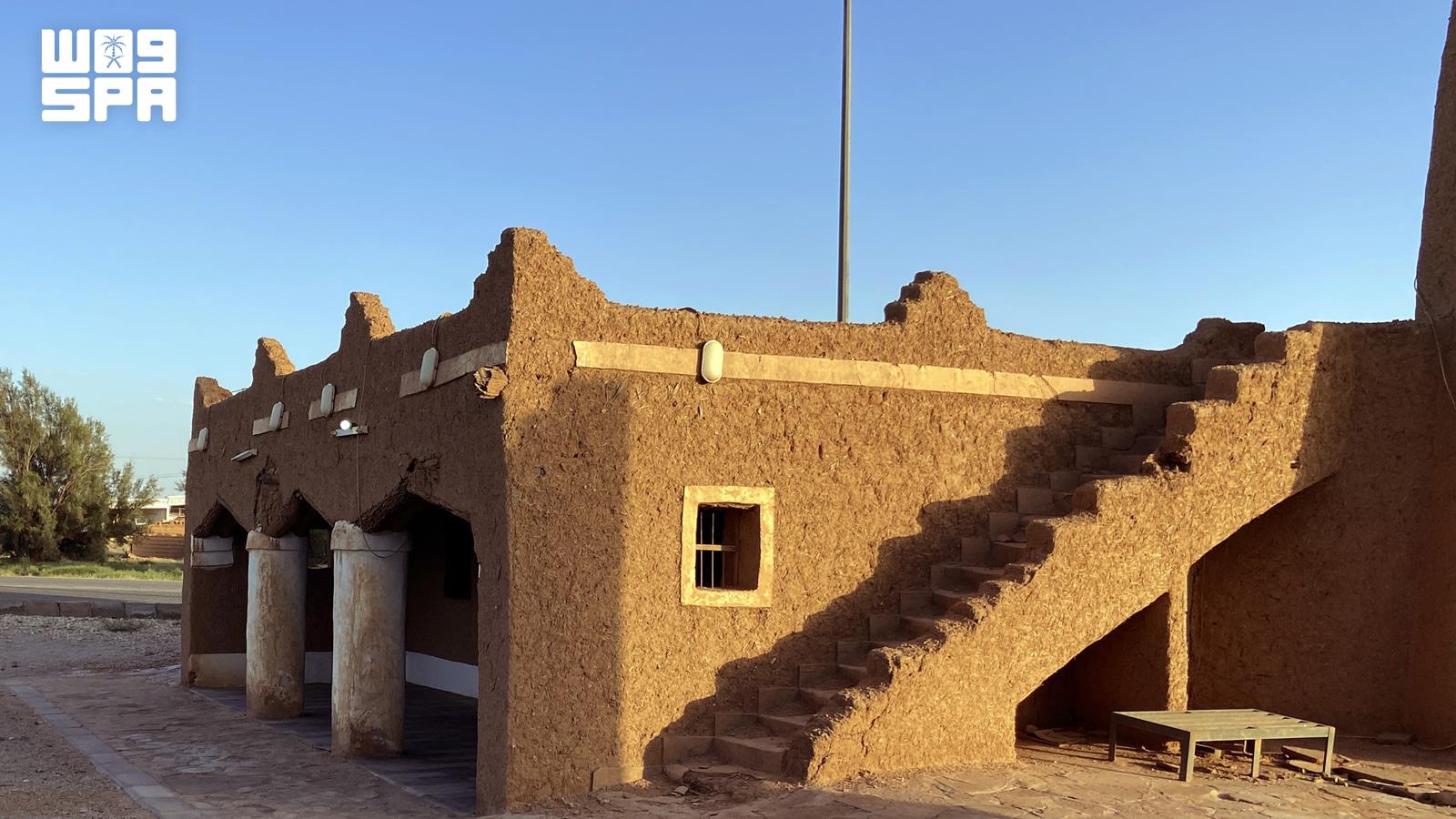
The mosque stands as a model of the traditional Najdi style found throughout central Saudi Arabia, characterized by simplicity and practicality in its design, with minimal ornamentation except for some simple carvings on the main door. The structure consists of a rectangular prayer hall built from mud, tamarisk wood, and palm fronds, in addition to a front portico supported by round columns and a conical minaret rising to about two stories.
The minaret was constructed adjacent to the mosque from the outside, in keeping with the local environment and the traditional building materials of old Najd architecture.
Restoration efforts and preserving identity
The mosque underwent restoration in 1429 AH (2008 CE) through joint efforts by local residents and the Al-Badaea municipality, aiming to preserve the building and rehabilitate it while maintaining its architectural and heritage identity. These initiatives have helped keep the mosque among the region’s most prominent heritage landmarks.
Al-Shabibiyah Mosque forms part of the historical identity of Al-Badaea, reflecting the lifestyle and construction methods of the region during the first half of the 14th century AH. It stands as a testament to the evolution of traditional religious architecture in Najd and remains a destination for those interested in heritage and cultural tourism within the Kingdom.