

Sacred mosque pigeons a lasting symbol of Makkah’s heritage
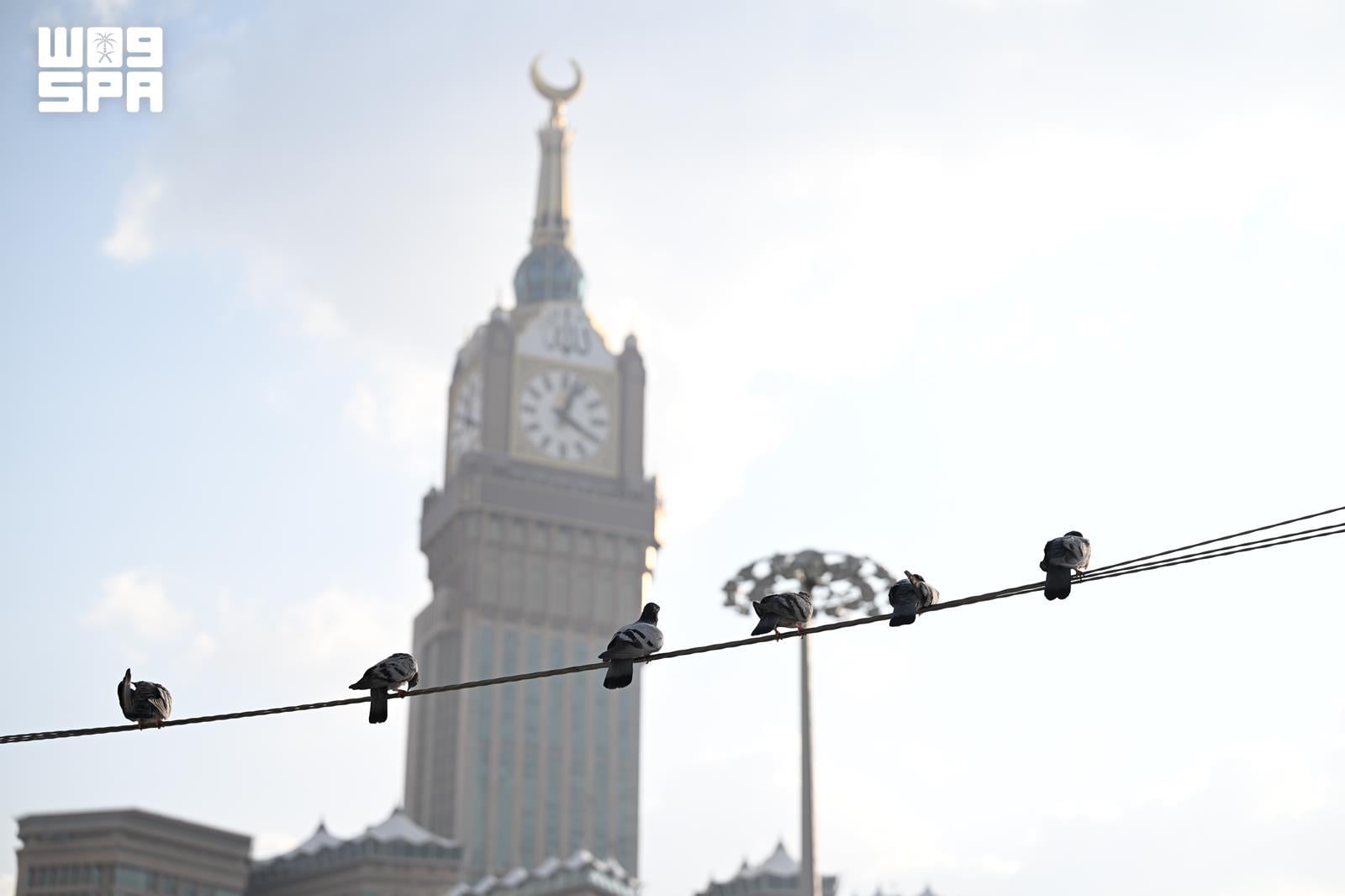
The pigeons of the Grand Mosque are a familiar sight in Makkah, rooted in local memory and culture, with authorities working to preserve the city’s urban landscape.
Key Takeaways
AIThe pigeons of the Grand Mosque in Makkah are a familiar visual feature that has been intertwined with the holy city for centuries. Historical sources and travel accounts have documented their presence, making them a daily symbol recognized by residents, visitors, and pilgrims alike.
The significance of these pigeons goes beyond aesthetics, encompassing historical, cultural, and religious dimensions. Early Makkah chronicles, such as Abu Al-Walid Al-Azraqi’s “Akhbar Makkah wa ma ja’a fiha min al-athar” and Muhammad ibn Ishaq Al-Fakihi’s “Akhbar Makkah fi Qadim al-Dahr wa Hadithihi,” mention the pigeons, the rulings related to hunting them, and their unique connection to the sanctity of the site.
These sources also include stories and poetry about Makkah’s pigeons, highlighting their role in local society and culture. In 1911, traveler Muhammad Labib Al-Batanuni provided a detailed account in “Al-Rihla Al-Hijaziyya” of the pigeons’ prevalence in the Grand Mosque and the care they received, offering vivid testimony of that era.
Locally, the pigeons are known by names such as “Hammam Al-Hima” and “Hammam Rabb Al-Bayt,” reflecting their status in popular memory. Religious rulings prohibit hunting or disturbing them within the holy precincts, a fact recorded in Islamic jurisprudence and historical accounts of Makkah.
Scientifically, pigeons are highly adaptable birds, thriving in urban environments by nesting in buildings and open squares. This adaptability was noted by author Rosemary Mosco in her 2021 book on pigeon behavior and their ability to live in cities.
Today, flocks of pigeons can be seen in the courtyards of the Grand Mosque and throughout surrounding neighborhoods and streets. Many visitors capture images of these birds, which are closely tied to the memories and experiences of pilgrims and Umrah performers in Makkah.
The continued presence of pigeons also brings challenges related to cleanliness and public health, as unregulated feeding and gathering can create sanitation issues. In response, the Makkah Municipality regularly washes public squares, removes waste, and monitors cleanliness in public areas.
These efforts are especially important given Makkah’s dense population, as authorities strive to balance wildlife care with hygiene standards, ensuring that the sight of pigeons remains a cherished part of the city’s evolving urban landscape.