

Cambridge scientists map fly brains, shedding light on human behavior
A Cambridge team has mapped male and female fruit fly brains, revealing neural differences that may explain behaviors like aggression and courtship.
Key Takeaways
AIA team of scientists has conducted the first comprehensive comparison of male and female fruit fly brains, revealing neural differences that may explain distinct male behaviors such as aggression, courtship rituals, and sound production to attract females, according to the BBC.
Researchers at the University of Cambridge created a complete map of the male fruit fly brain, comprising around 124 million neural connections, two years after producing a similar map for the female brain.
The researchers emphasized that the study does not aim to explain differences between men and women, but rather seeks to understand how genetic factors influence brain structure and disorders such as autism and schizophrenia.
Professor Gregory Jefferis from the MRC Laboratory of Molecular Biology at Cambridge described the achievement as a major new direction in neuroscience, comparing its impact to the invention of a powerful telescope that enabled scientists to better understand the universe.
He explained that detailed study of neural structures could help uncover the mechanisms that allow the brain to perform complex functions such as artistic creativity or scientific problem-solving.
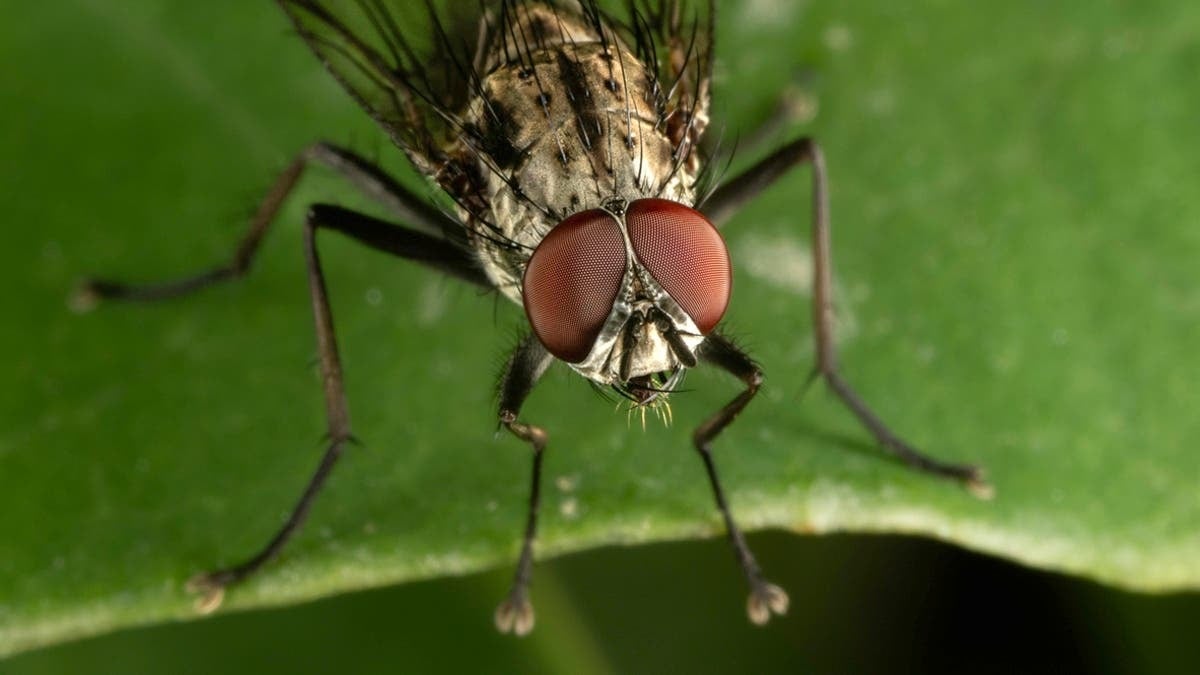
Despite the fruit fly brain being no larger than a pinhead, it is highly efficient at processing information and serves as an ideal model for studying neural networks.
The researchers analyzed every neuron and connection in the male fly brain, compiling the data into a 3D model before comparing it with the female brain map.
Results showed that about 95% of neurons are similar between males and females, while the remaining 5% are different enough to produce distinct behaviors.
Dr. Isabella Bicket, lead co-author of the study published in Cell, said the significance of the findings lies in precisely identifying neural differences and linking them to specific behavioral functions.
The study found that small differences in brain structure lead to significant behavioral variations: males possess additional neural structures that help them visually track females during courtship, and the neural circuits related to aggressive behavior are more developed in males.
Scientists identified a specific neural circuit in males responsible for producing sounds to attract females. Dr. Philipp Schlegel explained that this circuit must function with great precision, as courtship rituals depend on generating distinctive wing vibrations, which determine mating success or failure.
The researchers linked the neural differences to two key genes known to influence courtship, aggression, and sound production, noting that the novelty of the study lies in visualizing the actual neural structures resulting from these genes' activity.
The scientists noted that using sex as the only variable allowed them to trace how genetic differences are reflected in brain structure and behavior, stressing that understanding how genes affect behavior begins with studying how they shape neural networks.
The researchers believe their findings could eventually help explain human behavioral patterns linked to genetic factors, such as schizophrenia and autism spectrum disorders. Jefferis also pointed to potential applications in artificial intelligence and computer science, where researchers could use principles from the fly brain to develop more efficient artificial networks.