

Horned field viper shows remarkable adaptation to northern Saudi deserts
The horned field viper stands out in northern Saudi Arabia for its exceptional camouflage and adaptation to harsh desert environments.
Key Takeaways
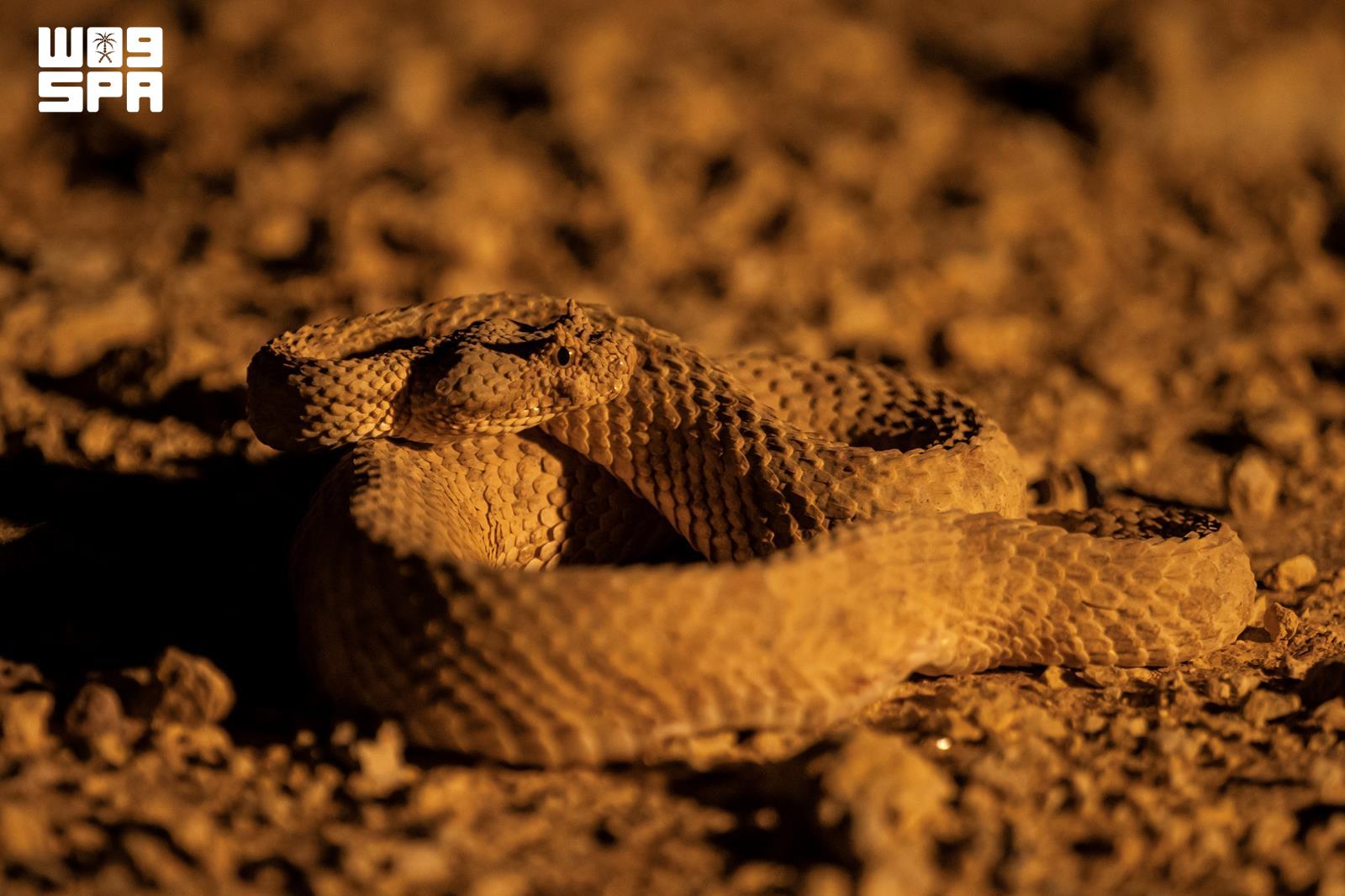
AIThe horned field viper (Pseudocerastes fieldi), also known as Field's horned viper or the false horned viper, inhabits desert regions across the Middle East. Its presence has been recorded in northern Saudi Arabia, where it thrives in arid, rocky, and gravelly habitats.
This viper is distinguished by its broad, triangular head, which is clearly set apart from the neck, and a short snout. Notably, it has horn-like protrusions above its eyes formed by overlapping small scales—one of the species’ most distinctive features—along with a dark-tipped tail.
The viper’s body coloration, which ranges from brown to grey and matches the hues of soil and rocks, provides effective camouflage, making it difficult to spot in its natural surroundings.
Environmental adaptation and feeding behavior
Adnan Khalifa, a member of Aman Environmental Association who monitors local wildlife, explained that the horned field viper is a desert reptile highly adapted to its habitat. Its body colors and patterns help it blend seamlessly with rocks and soil.
Khalifa added that the viper preys on small animals such as rodents, lizards, and birds, displaying active hunting behavior when prey is available. He noted that its presence is part of the region’s biodiversity and contributes to the natural balance of the desert food chain.
Call for caution and environmental balance
Khalifa warned against approaching or attempting to handle the horned field viper if encountered, stressing the importance of keeping a safe distance and not provoking the animal to ensure the safety of both people and wildlife.
He emphasized the need to protect reptiles and native species in their natural habitats and to avoid disturbing them, in addition to raising awareness about biodiversity and the role of these creatures in maintaining ecological balance.