

Eating one egg a day may lower stroke risk, studies suggest
Recent research indicates that consuming one egg daily may reduce stroke risk by 12% for most adults, as part of a balanced diet, according to Verywell Health.
Key Takeaways
AIEggs are an affordable and versatile food source, providing protein, choline, vitamin D, and other nutrients that support muscle development and brain health.
Although eggs contain cholesterol—a point of concern for heart health for years—recent studies suggest that eating one egg a day can be suitable for most adults as part of a balanced diet, provided that total cholesterol and fat intake are considered.
A large egg contains about 186 mg of cholesterol. Its impact on health depends not only on the amount consumed but also on other cholesterol-rich foods in the diet. Excessive egg consumption alongside other cholesterol sources may increase overall daily intake, according to a report by Verywell Health.
Research and meta-analyses indicate that eating up to one egg per day is associated with a 12% reduction in stroke risk. Researchers attribute this to the combination of protein, antioxidants, and other nutrients in eggs, though they note that these findings do not prove eggs alone prevent strokes.
Eggs also help support muscle building, as a cooked egg provides about 6.5 grams of protein and contains the amino acid leucine, which stimulates muscle protein synthesis. Each egg contains around 500 mg of leucine.
For brain health, eggs offer nutrients such as choline, which plays a role in memory and nervous system function. Some studies suggest a link between egg consumption and improved memory, verbal fluency, and reduced risk of cognitive decline, though more research is needed.
Eggs may also help promote satiety, potentially reducing food intake at subsequent meals, especially when eaten instead of carbohydrate-rich foods.
A large boiled egg provides about 77.5 calories, 6.5 grams of protein, 5.5 grams of fat (including 1.5 grams of saturated fat), 150 mg of choline, 74.5 micrograms of vitamin A, 43.5 IU of vitamin D, and 186 mg of cholesterol.
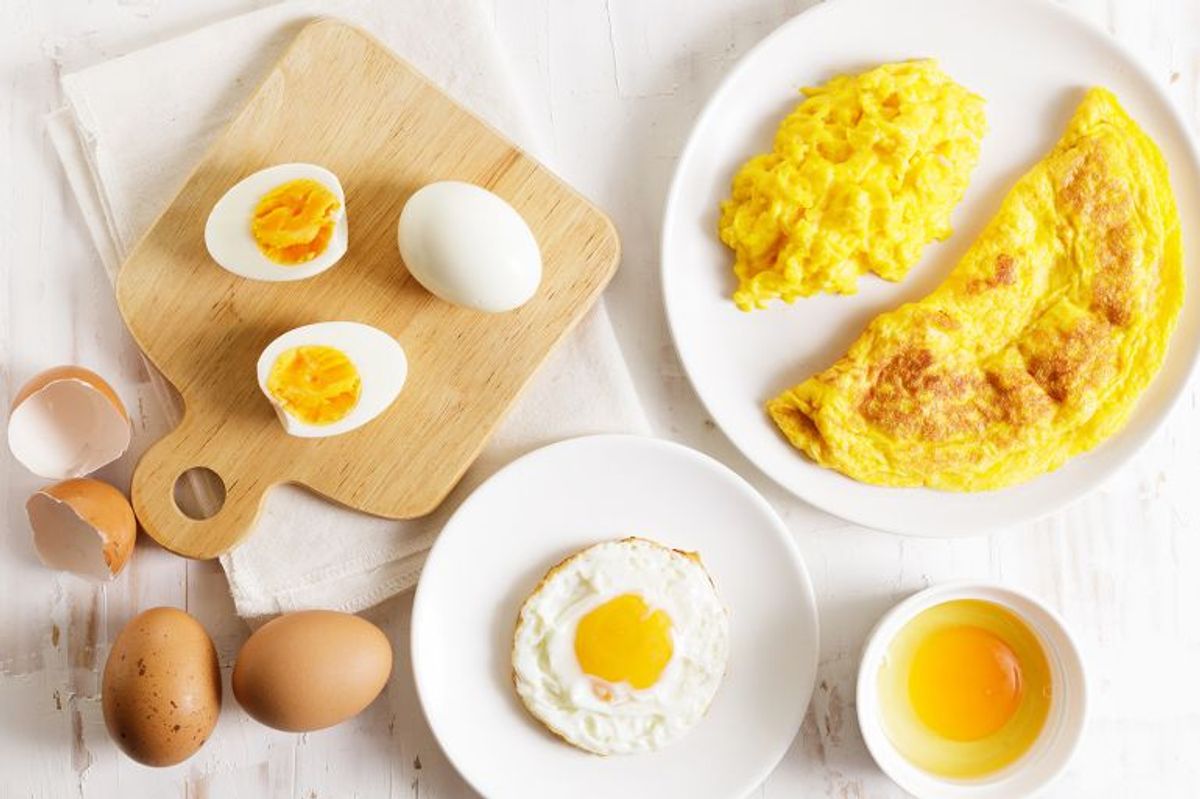
Eggs can be included in various meals, such as boiled with whole grain bread, added to vegetable omelets, salads, or grain dishes, and prepared scrambled or in frittatas. Preparation methods matter; boiling or cooking eggs with vegetables is recommended over using large amounts of butter or saturated fats to keep meals balanced.