

Promising results for new advanced skin cancer therapy
Patients in the UK have joined a global trial of Anzu-cel, a new cell therapy for advanced melanoma that no longer responds to immunotherapy.
Key Takeaways
AIPatients in the United Kingdom have begun participating in an international clinical trial to test a new cell therapy known as Anzu-cel, which targets people with advanced melanoma, particularly those whose tumors have stopped responding to immunotherapy.
The trial follows encouraging early results suggesting the treatment could achieve response rates of 50 to 60 percent, compared to just 10 percent long-term survival rates for patients who do not benefit from immunotherapy.
New hope after immunotherapy failure
Patients with advanced melanoma face limited treatment options once immunotherapy fails, as about two-thirds do not respond to current therapies.
Doctors note that while some patients may benefit from additional treatments, the chances of success remain low.
How does the therapy work?
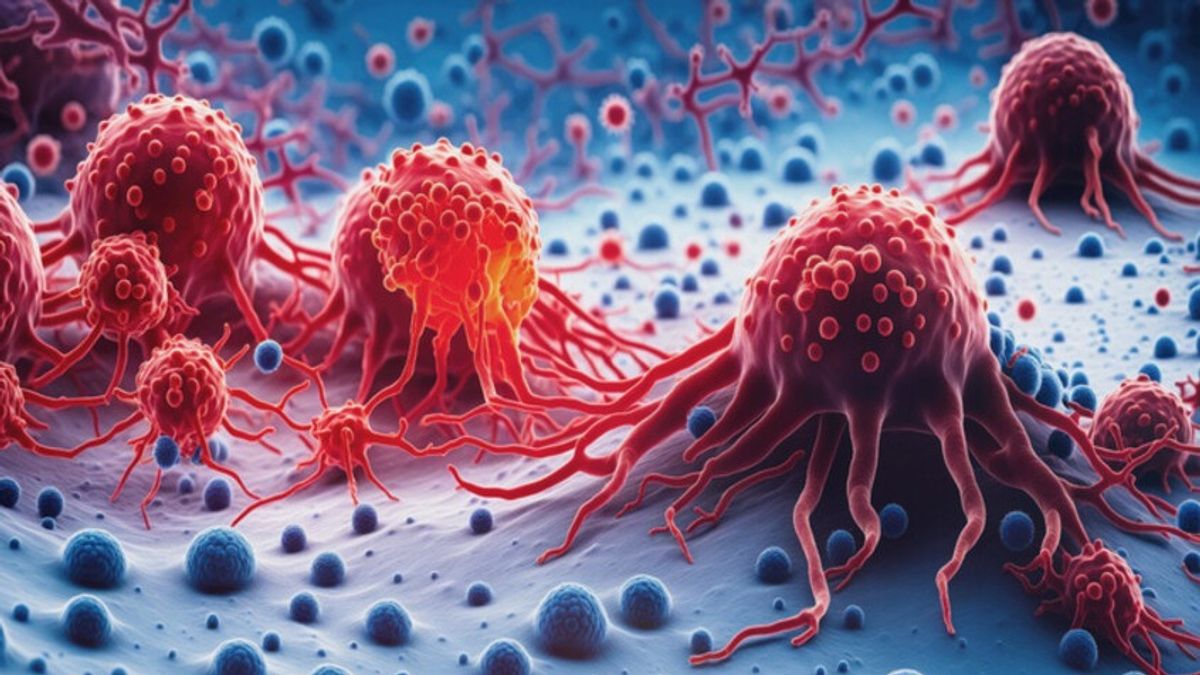
Anzu-cel involves extracting T cells from the patient and reprogramming them in the laboratory to recognize and attack cancer cells.
The therapy targets a molecule called PRAME, present in about 95 percent of melanoma patients and found only in limited amounts in most healthy cells, allowing for a more precise immune attack on tumors.
Encouraging early results and a global trial
Early data indicate response rates to the therapy could reach 50–60 percent, with many responding patients continuing to improve for months or even years.
King's College London and Guy's and St Thomas' Hospital are leading the trial in the UK, as part of an international study expected to enroll around 400 patients worldwide, including dozens from Britain.