

Najran highlights environmental diversity from mountains to Empty Quarter on Arab Environment Day
Najran marks Arab Environment Day by showcasing its rich landscapes, agricultural abundance, and efforts in afforestation and sustainability.
Key Takeaways
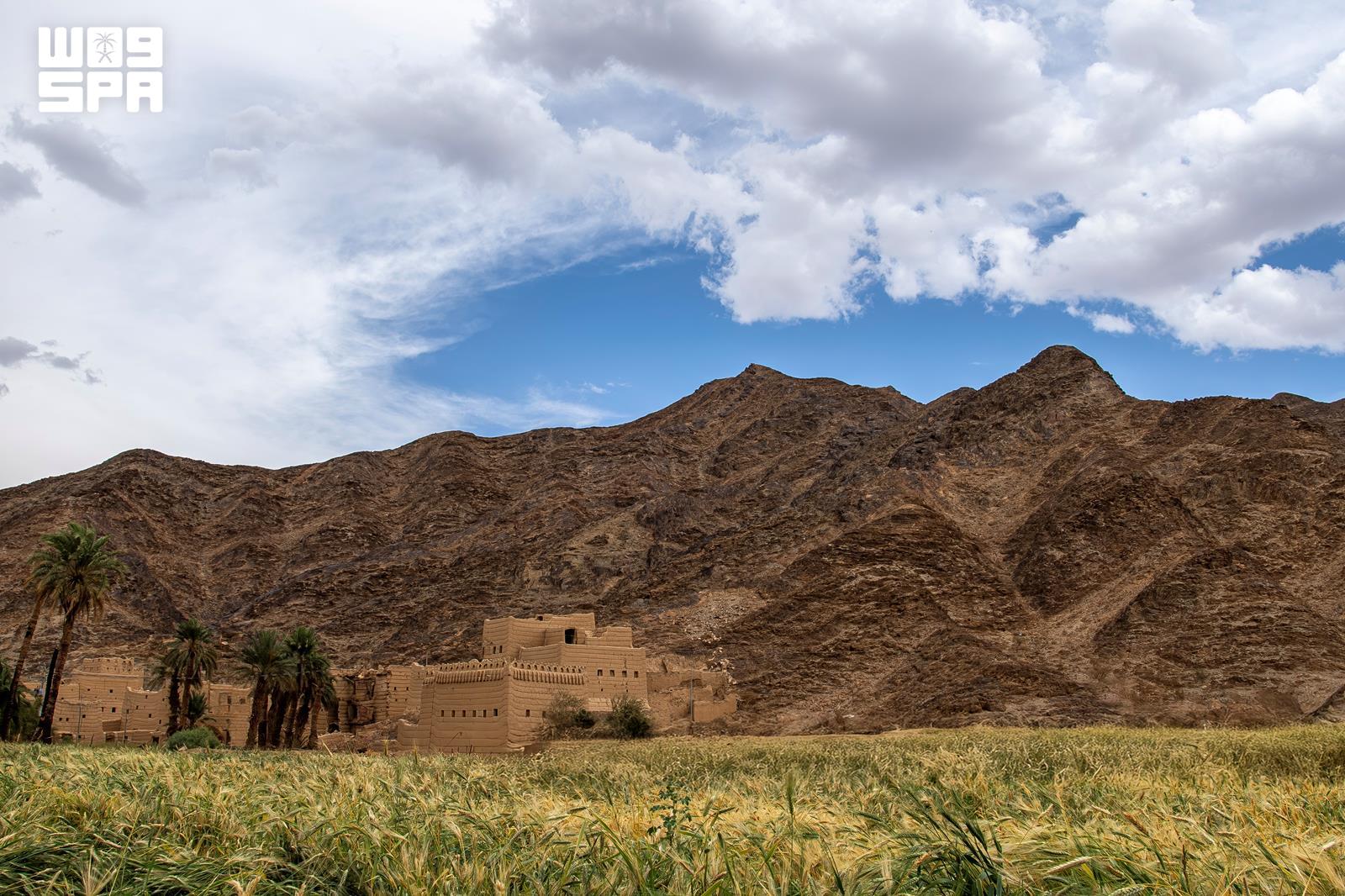
AINajran region shines on Arab Environment Day, observed annually on October 14, with its remarkable natural and agricultural diversity stretching from towering mountain peaks to the sands of the Empty Quarter and the Uruq Bani Ma'arid Reserve. Preserving this diversity is a collective responsibility that requires unified efforts.
Najran's terrain varies from highlands, hills, and rocky valleys to fertile plains crossed by wadis, most notably Wadi Najran, which is surrounded by palm, citrus, and grape farms. Sidr and Salam trees are found in several natural areas, while mountains and sand dunes add unique variety to the landscape, providing habitats for plants and wildlife.
The eastern part of the region extends into the sands of the Empty Quarter and includes the Uruq Bani Ma'arid Reserve, known for its diverse geological formations and natural environments that support biodiversity, including species such as the Arabian oryx and sand gazelle.
Agriculture and promoting environmental sustainability
Agriculture is central to Najran’s environment and society, with more than 5,000 farms spanning over 27,000 hectares. Key crops include dates, citrus fruits, grapes, figs, and strawberries, alongside notable growth in coffee cultivation, which now exceeds 100,000 trees across 111 farms.
Modern agricultural techniques—such as protected and hydroponic farming and cultivation in inert media—help diversify production and improve water efficiency. Initiatives to recycle agricultural waste into organic fertilizers or animal feed also reduce pollution and enhance soil fertility. The Istidama Center in Najran works to preserve the genetic resources of local citrus and palm varieties and produces seedlings suited to the local environment.
Afforestation efforts and protecting vegetation cover
Initiatives to boost vegetation in parks and natural sites, such as King Fahd National Park in Saqam Forest, continue through tree planting, care for native plants, and park maintenance. Since 2021, more than 6.7 million trees have been planted in the region, moving toward a target of 7.8 million trees by 2030—an achievement rate of 85.9%—as part of the National Afforestation Program and the Saudi Green Initiative.
Arab Environment Day underscores the importance of coordinated efforts by relevant authorities and the community to safeguard this natural heritage and ensure its sustainability for future generations, especially amid growing environmental challenges.