
Drinking water during meals may increase food intake, Cornell study finds
A Cornell University study suggests drinking water with meals could lead to higher calorie consumption, challenging common weight-loss beliefs.
Key Takeaways
AIA recent scientific study has found that drinking water between meals may lead to increased food consumption, contradicting the common belief that water aids weight loss by promoting fullness and reducing calorie intake.
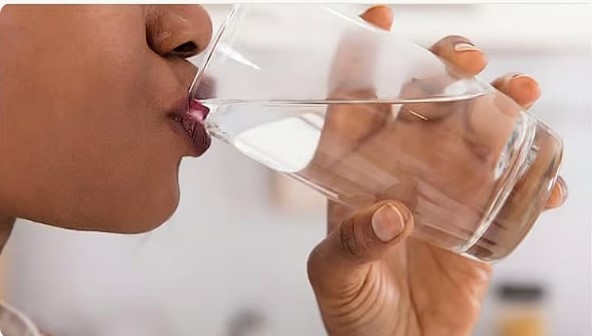
Researchers from Cornell University conducted the study, published in the journal Appetite, and found that participants ate about 40 grams more food—equivalent to roughly 50 extra calories—for every additional 100 milliliters of water they drank during a meal.
Study details and scientific explanations
The researchers observed that people who alternated more frequently between eating and drinking water tended to consume larger amounts of food. They explained that water may help moisten the mouth and enhance the perception of food flavors, making meals more enjoyable for longer and delaying the feeling of fullness.
The research team confirmed that water does not remain in the stomach long enough to create a lasting sense of satiety, which may explain the increased food intake when more water is consumed during meals.
Similarly, the results showed that higher water intake was associated with greater food consumption. The scientists noted that further research is needed to determine the causal relationship between drinking habits and food intake.