

Al-Baha grape harvest reaches 951 tons, boosting agriculture sector
Al-Baha farms produce 951 tons of grapes this season, supported by government initiatives to enhance supply chains and agro-industries.
Key Takeaways
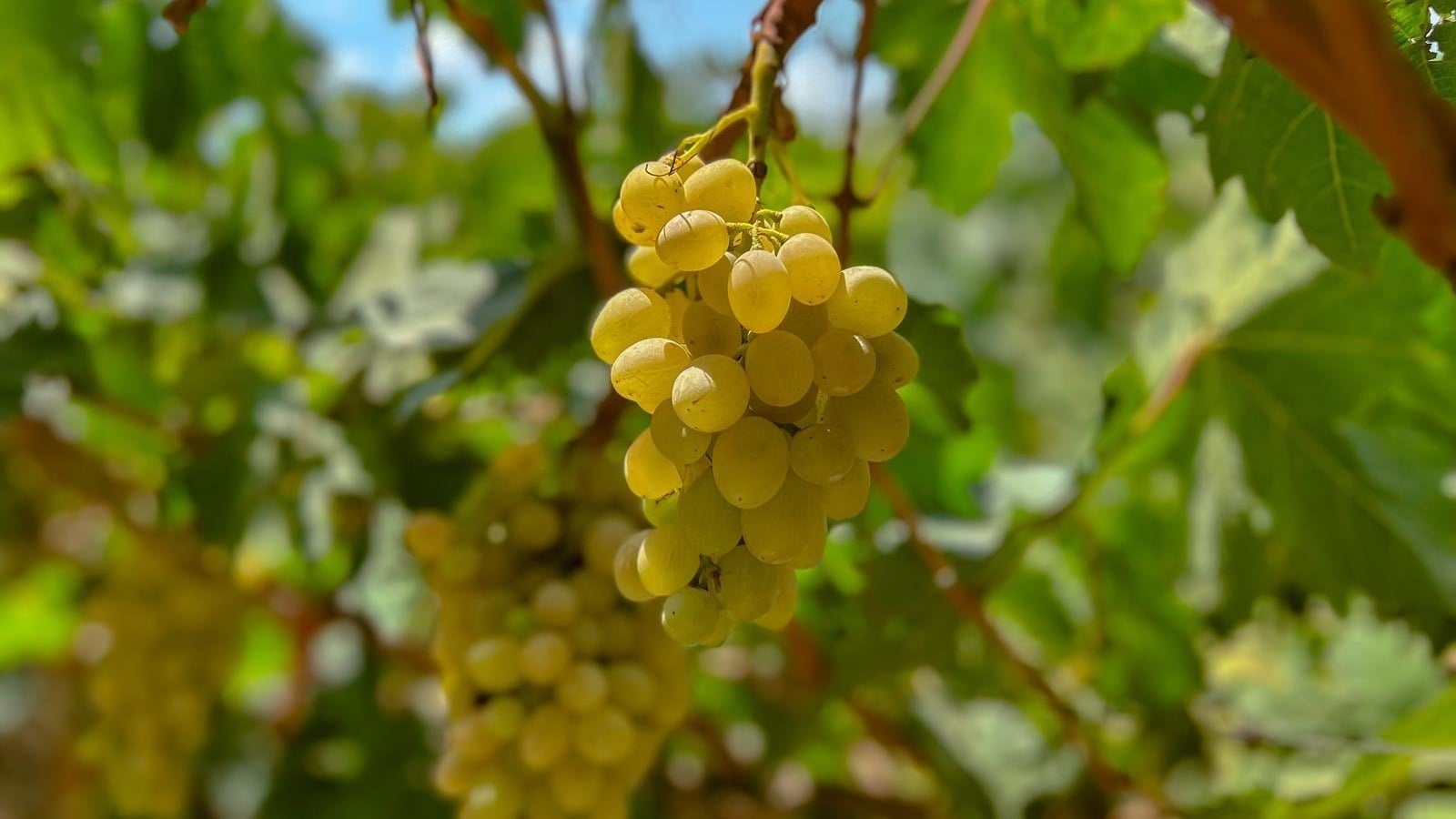
AIFarms in the Al-Baha region produced 951 tons of grapes during the harvest season, cultivated across approximately 35.59 hectares, underscoring the crop’s significance in the region’s agricultural landscape.
Grape cultivation is a longstanding agricultural activity in Al-Baha, benefiting from the area’s diverse terrain, fertile soil, moderate climate, and the expertise of local farmers passed down through generations.
Fahad Muftah Al-Zahrani, Director General of the Ministry of Environment, Water and Agriculture’s branch in Al-Baha, said the region’s grape production highlights its economic importance and its role in supporting local agricultural products, noting the attention given by both farmers and relevant authorities.
Al-Zahrani added that the ministry branch supports farmers and works to improve production efficiency by intensifying agricultural guidance, encouraging the adoption of modern irrigation and farming practices, and expanding the cultivation of grape varieties suited to local conditions. These efforts aim to enhance fruit quality and promote the sustainability of agricultural resources.
Grape City project in Baljurashi
Al-Zahrani highlighted the "Grape City" project in Baljurashi Governorate, which spans 741,699 square meters and includes at least 70,000 grape vines. The project aims to provide an integrated system for post-harvest services and marketing.
He noted that the initiative seeks to boost the economic value of grapes by developing sorting, packaging, cooling, and marketing processes, as well as supporting related agro-industries. This is expected to open wider marketing channels for farmers and increase the added value of local products.
Grapes are considered one of the Kingdom’s promising economic crops, thanks to the diversity of varieties and their use in various processed products such as juices, jams, and raisins. This strengthens the presence of national products in the market and supports agricultural development in the region.