

Finance Ministry welcomes IMF Article IV report praising Saudi economic resilience
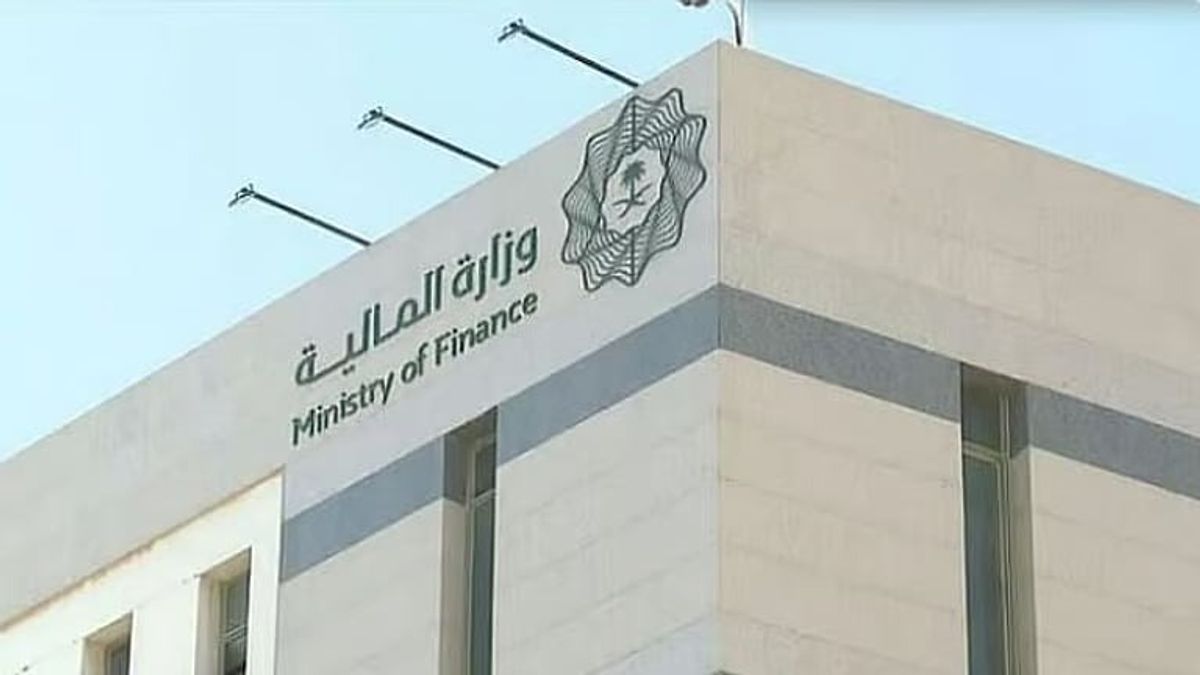
Saudi Arabia's Finance Ministry welcomed the IMF's 2026 Article IV report, which commended the Kingdom's economic resilience amid regional tensions.
Key Takeaways
AISaudi Arabia’s Ministry of Finance has welcomed the International Monetary Fund’s 2026 Article IV consultation report, which praised the Kingdom’s ability to withstand the impact of geopolitical tensions in the Middle East. The report highlighted Saudi Arabia’s continued resilience and adaptability, underpinned by strong economic fundamentals and a diversified infrastructure base.
According to the report, the Saudi economy entered 2026 with strong momentum, following a 4.6% GDP expansion in 2025. This growth was driven by the gradual easing of OPEC+ production cuts and robust domestic demand. The non-oil primary deficit narrowed from 24.5% of non-oil GDP in 2024 to 23.3% in 2025, further strengthening the Kingdom’s fiscal position.
Despite ongoing geopolitical tensions, the report commended Saudi Arabia’s effective long-term planning and proactive infrastructure investments, including the East-West pipeline, which can transport around 7 million barrels of crude oil per day to Yanbu port. This infrastructure has helped mitigate the impact of regional instability on exports and revenues. The IMF noted that Saudi Arabia has ample fiscal space to support the economy if tensions persist, citing low government debt, substantial reserves, significant sovereign assets, and the role of the Public Investment Fund. The Saudi Central Bank’s net foreign assets reached $437 billion by the end of 2025, while public debt was assessed as sustainable and overall sovereign risk as low.
The report also stated that the Saudi banking sector maintains strong capital and liquidity levels, supporting its ability to absorb current developments. Asset quality continues to improve, with capital adequacy ratios at 20.5% and 18.8% in 2025, and non-performing loans falling to 1.0% of total loans—the lowest level in a decade. The IMF praised the central bank’s efforts to enhance financial stability and mitigate risks through proactive prudential policies.
The IMF noted that Saudi Vision 2030 reforms have driven a decade of economic transformation, strengthening institutional frameworks, improving policy efficiency, boosting economic performance, reducing oil dependence, and narrowing structural gaps with peer economies. The report also highlighted improvements in healthcare and education indicators, with several Vision 2030 targets achieved ahead of schedule.
The report pointed out that Saudi Arabia leads globally in adopting artificial intelligence across government services, healthcare, education, and fintech. This progress has been reflected in the Kingdom’s strong performance in several international indices, including the UN E-Government Survey and Oxford University’s Government AI Readiness Index. The IMF estimated that AI adoption could boost real GDP growth by up to 6% over the next decade.
In conclusion, the report found that the Saudi economy demonstrates resilience and flexibility amid a turbulent regional environment. Continued structural reforms and fiscal and monetary discipline are expected to further strengthen the Kingdom’s global economic standing and advance its diversification agenda.