

Ramadan Iftar Traditions in Northern Borders Remembered from 70 Years Ago
Ramadan Iftar Traditions in Northern Borders Remembered from 70 Years Ago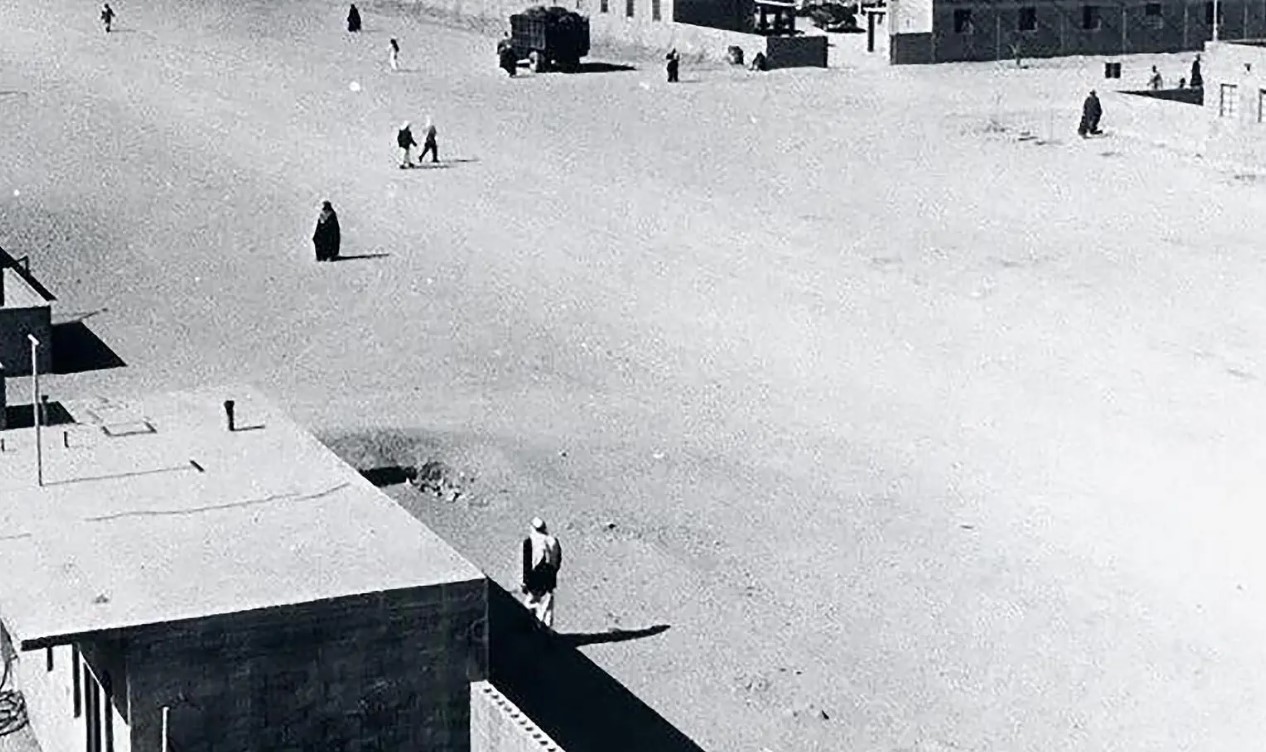
Key Takeaways
AIThe holy month of Ramadan remains deeply rooted in the memory of residents of Northern Borders Region. It reflects a simple way of life marked by strong social cohesion, at a time that preceded modern communication tools and services.
Fasting and iftar times were managed through limited means, relying on shared signals that unified the community’s sense of time.
Around 70 years ago, iftar practices formed part of daily life shaped by cooperation and solidarity.
In the absence of household clocks and modern alert systems, residents depended on audible or widely recognized indicators to determine the times of imsak and iftar during the holy month.
During that period, people were familiar with the sound of the “Seet”—an industrial whistle of the Trans-Arabian Pipeline (Tapline). Originally used to regulate work operations, it became a general time signal during Ramadan.
It was sounded at imsak and iftar. It was also heard at the end of the month to announce the arrival of Eid, alongside direct communication among residents.
With no refrigeration in most homes, humanitarian gestures became part of popular memory. Some workers returned from job sites during the summer carrying blocks of ice.
They distributed them to neighbors before iftar. The gesture reflected deep social solidarity and the simplicity of life.
Although iftar practices today differ with the availability of modern technologies, residents of Northern Borders still preserve those memories. They remain testimony to a time when shared timing and gathering around the table defined the spirit of Ramadan.