

Aramco CEO: Oil market pressures to persist until Hormuz fully reopens
Amin Nasser warns of critically low global oil stocks and ongoing market pressures amid geopolitical turmoil in the Middle East.
Key Takeaways
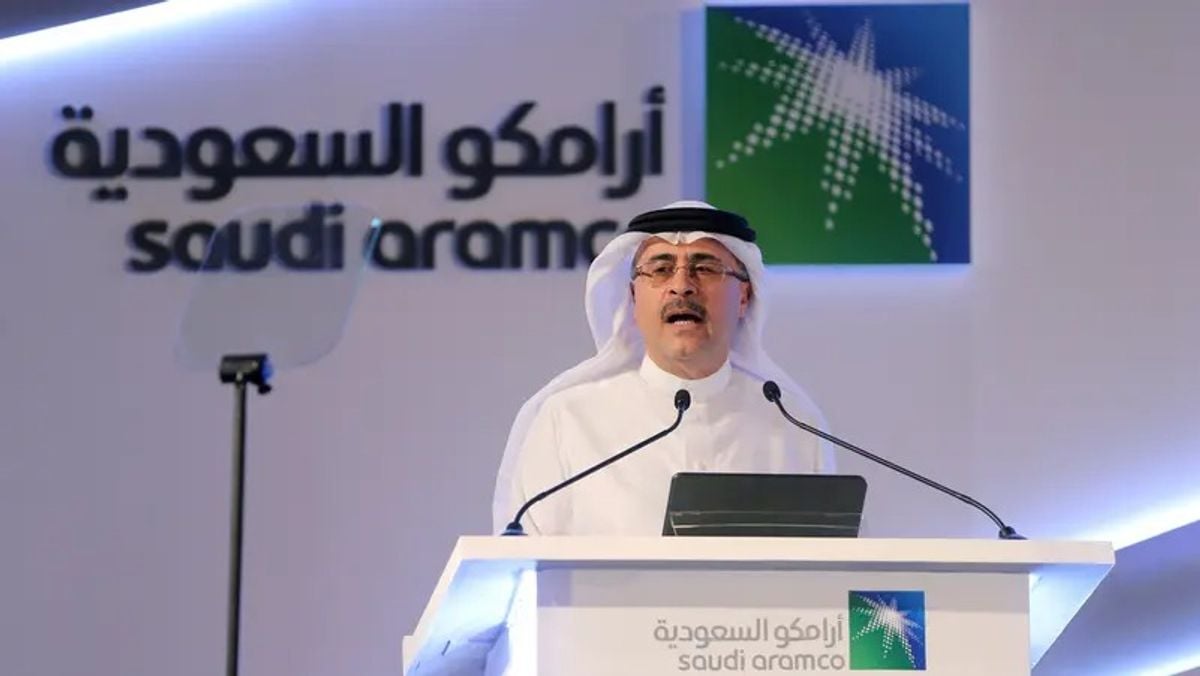
AIAmin Nasser, Chief Executive Officer of Aramco, has warned that global oil inventories have reached "alarmingly tight" levels, noting that rebuilding reserves depleted by the Middle East conflict could take up to two years.
Speaking at the Energy Intelligence Forum in London, Nasser explained that the seven-month war involving the United States, Israel, and Iran has resulted in the loss of around 3 billion barrels of oil supplies in the region—equivalent to nearly half the crude and refined products that would have passed through the Strait of Hormuz during that period.
He added that pressure on oil markets will persist until the Strait of Hormuz is fully reopened, pointing out that more than 1 billion barrels have been withdrawn from oil reserves to mitigate supply shortages. Governments have released over 300 million barrels from strategic stocks and agreed to inject additional volumes.
Falling inventories and supply challenges
Nasser stressed that most of the compensatory supply has come from company inventories, which he described as "the last major tool available" to support the market. He noted that global commercial stocks now stand at less than 6 billion barrels, most of which are not immediately accessible.
He pointed out that "the global energy system is already under strain," warning that the margin of safety to ensure supply continuity is now extremely limited given the few remaining options for markets.
Targeting energy infrastructure
Nasser also noted that modern technologies, such as satellite imagery and ship-tracking databases, are increasingly being used to target energy infrastructure and oil tankers. He said recent weeks have seen attacks on vessels transiting the Strait of Hormuz, as well as strikes on pipelines, refineries, and Aramco ports.
He emphasized that "transparency tools should not become tools of aggression," amid rising risks to the energy sector.
Supply shortages and rising costs
Nasser's remarks highlight the intense pressures faced by global energy markets due to supply disruptions, despite a gradual improvement in oil flows through Gulf shipping routes. According to data from Kpler, Gulf states' exports rose to 15.5 million barrels per day last month, the highest since the conflict began and more than 80% of pre-crisis levels.
Despite this improvement, Nasser stressed that the market continues to suffer from tight supply and higher transportation costs, with spot prices for North Sea crude shipments reaching their highest since April.
Aramco's plans to enhance stability
Nasser added that refilling inventories while meeting global demand could take up to two years after the conflict ends, urging governments to prioritize energy security and strengthen supply chain resilience.
He revealed that Aramco is considering additional routes for Saudi crude exports and expanding storage facilities outside the Kingdom to boost supply reliability and protect customers from future disruptions in global energy markets.