

US-China AI gap narrows to record low as Chinese firms advance
The performance gap between US and Chinese AI models is shrinking rapidly, raising questions about Washington’s ability to maintain its tech edge.
Key Takeaways
AIThe performance gap between artificial intelligence models from the United States and China is closing at a rapid pace, after Chinese companies made significant advances in recent months. This development is prompting new questions about Washington’s ability to maintain its technological lead in the sector.
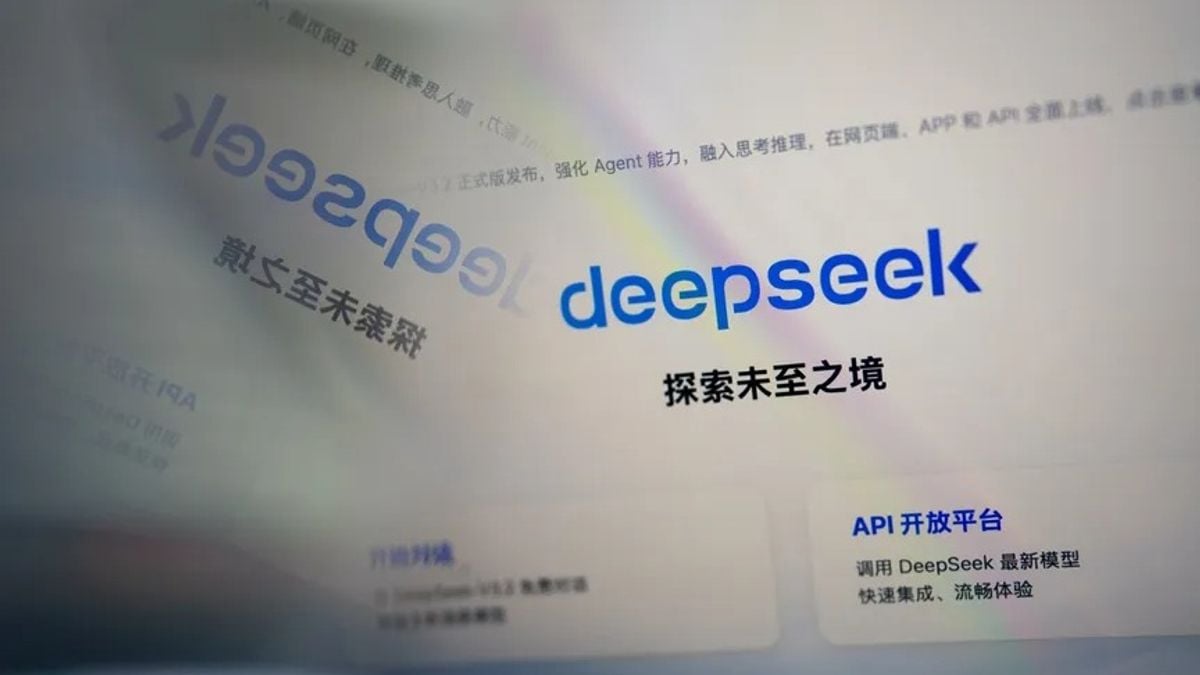
According to an analysis published by Bloomberg Intelligence, the top Chinese AI models now lag behind their American counterparts by only about 3% in benchmark test results, following the launch of DeepSeek’s “V 4.1 Flash” model last September.
This marks a sharp reduction from a gap of around 9% in May and as much as 15% earlier in the year, said Robert Lea, lead analyst at Bloomberg Intelligence. Lea expects this progress to boost the share of Chinese companies in the global AI market.
China closes in on Washington
Lea attributes China’s progress mainly to accumulated expertise in AI development, as well as Chinese researchers’ ability to optimize models to run efficiently on locally available chips and components.
This progress has reignited debate over the effectiveness of US restrictions on exporting advanced technologies to China, especially Nvidia chips, which are intended to limit Beijing’s AI capabilities. Meanwhile, companies such as Huawei continue to develop domestic alternatives.
Lea said the latest developments "raise further doubts about the long-term sustainability of US technological superiority in AI."
The US and China are locked in a race to dominate AI technologies, which are seen as key drivers of economic productivity, military superiority, and global influence.
Highlighting the speed of China’s progress, DeepSeek’s “V 4.1 Flash” ranked sixth globally on the “LiveBench” platform last month, making it the highest-ranked Chinese model since the notable rise of the “R1” inference model in 2023.
LiveBench evaluates AI models based on their ability to handle and analyze questions, puzzles, and various tasks, in a test similar to measuring human IQ.
DeepSeek’s model scored 81.1 points, compared to 83.4 for the top model from Anthropic. Lea sees this as evidence that the Chinese model now delivers “comparable” performance to advanced systems from Anthropic and OpenAI.
Despite the performance gap narrowing to 3%, US models still dominate the rankings, with only three Chinese models among the top 15 on LiveBench.
Challenges for Chinese companies
However, improved test performance does not necessarily translate into immediate commercial success. Bloomberg Intelligence analysts warn that Chinese firms face growing regulatory and business challenges, including US scrutiny of their models and the potential for restrictions or bans over concerns related to model distillation technologies.
Profitability also remains a key weakness for China’s AI sector, with Lea predicting the industry as a whole will remain unprofitable until 2030.
This is due, according to the analysis, to companies offering large volumes of tokens at low prices, amid an intense price war in the Chinese market, which now features more than 1,100 large language models.
ByteDance’s “Doubao” service leads China’s AI application revenue market, while DeepSeek and Tencent’s chatbot services remain free, intensifying price competition.
Lea believes that for China’s AI sector to achieve a sustainable profit model, competition must ease, companies must consolidate, and more rational pricing policies should be adopted.