

Jazan Honey Industry Blends Heritage With Growing Rural Economy
Jazan Honey Industry Blends Heritage With Growing Rural Economy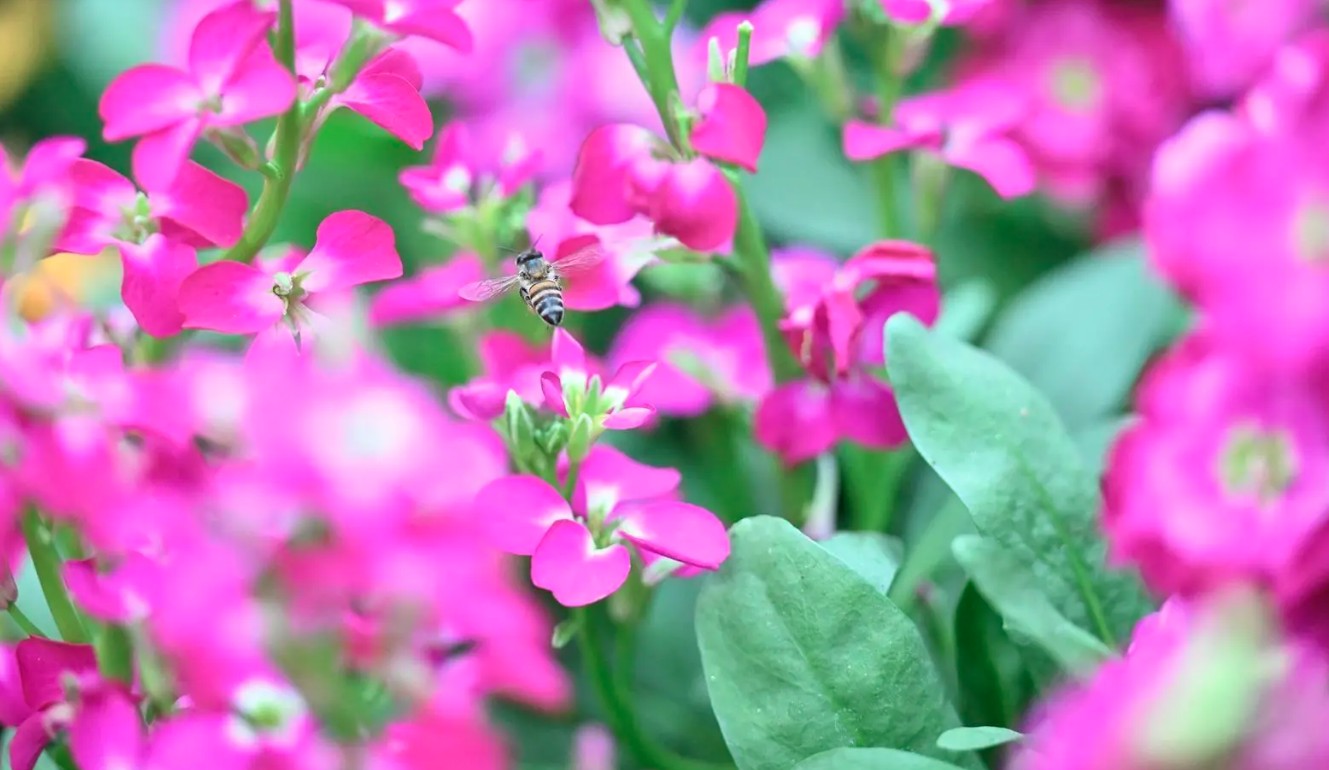
Key Takeaways
AIAs Sidr and Acacia flowers bloom across the mountains and valleys of Saudi Arabia’s Jazan region, bees move through fields and pastures in a seasonal cycle that has long linked local communities to the area’s agricultural landscape.
Marked annually on May 20, World Bee Day highlights the importance of beekeeping in Jazan, where honey production has become both a cultural tradition and a source of rural income supporting farmers and families involved in cottage industries.
The region’s diverse vegetation, varied terrain and long flowering seasons have helped make it one of Saudi Arabia’s key areas for natural honey production.
What was once a largely seasonal activity has developed into a growing rural industry, with beekeepers increasingly adopting modern breeding and production methods to improve product quality and expand access to markets and specialized festivals.
Jazan honey has become closely associated with the region’s identity and environmental richness, with producers seeking to build a more organized and sustainable sector that combines agricultural heritage with new economic opportunities.