

Qassim ranks third nationwide in number of date factories
Qassim has emerged as a key hub for Saudi Arabia’s date industry, producing over half a million tons annually with 25 specialized factories.
Key Takeaways
AIQassim has ranked third in Saudi Arabia for the number of date factories, with around 25 facilities producing more than 390,000 tons annually, according to statistics from the regional branch of the Ministry of Environment, Water and Agriculture.
The region holds a leading position in the palm and date sector, supported by a broad production base and a wide variety of date types. In the past year, Qassim produced approximately 584,127.8 tons of dates and is home to over 10.87 million palm trees spread across about 13,403 agricultural holdings, according to 2026 data from the National Center for Palms and Dates.
Qassim’s importance in the sector extends beyond agricultural production to include an integrated network of factories, sorting and packing centers, seasonal markets, transportation and storage, logistics services, and both domestic and international marketing. Date processing industries are among the region’s most prominent areas for expansion and investment, aligning with Saudi Arabia’s drive to increase the added value of agricultural products and diversify income sources in line with Vision 2030.
Processed products and investment opportunities
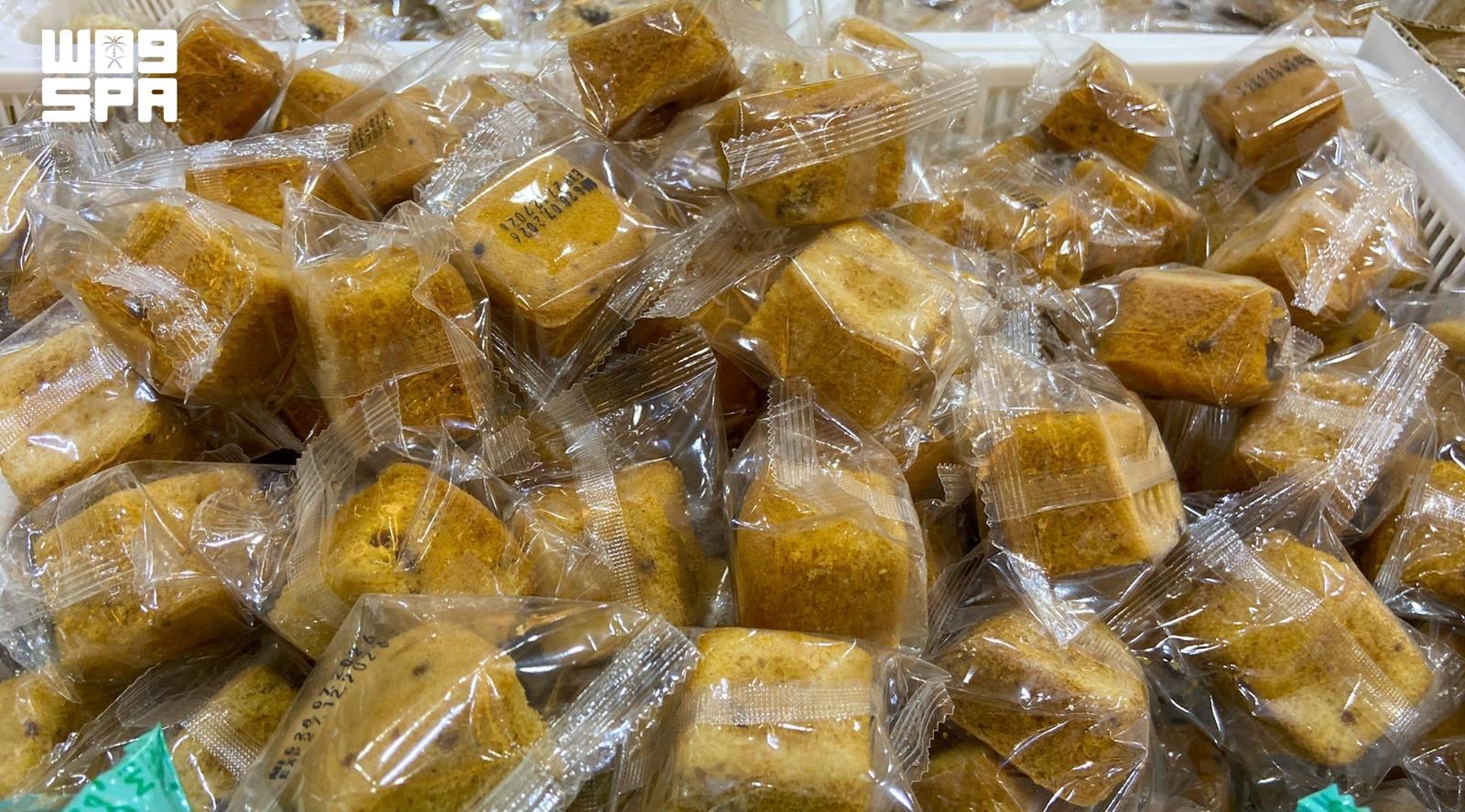
Date processing industries in Qassim include sorting, grading, cleaning, drying, packing, and packaging, as well as the production of date paste, syrup, juices, drinks, sugar, vinegar, date powder, and the manufacture of bakery and confectionery items, stuffed and coated dates. Investments related to date factories in the region are estimated at about 313 million riyals (SAR).
Date paste is especially significant due to its widespread use in confectionery, bakeries, and health foods, while lower-value dates offer opportunities for products such as date vinegar, helping maximize crop utilization and reduce waste.
Circular economy and high competitiveness
Date processing industries are moving toward a circular economy by utilizing pits and non-marketable dates to produce animal feed, extract oils, manufacture industrial products, and generate biofuels. Most stages of the manufacturing chain are located within or near Qassim, enhancing its investment appeal.
These industries contribute to increasing the region’s GDP, raising farmers’ incomes, creating quality jobs, supporting small and medium enterprises, developing logistics services, boosting e-commerce, increasing exports, enhancing food security, and diversifying income sources.