

GCC states strengthen financial sustainability and risk management tools
GCC Secretary-General Jassem Al-Budaiwi says Gulf states are boosting financial sustainability and developing risk management tools to support economic resilience.
Key Takeaways
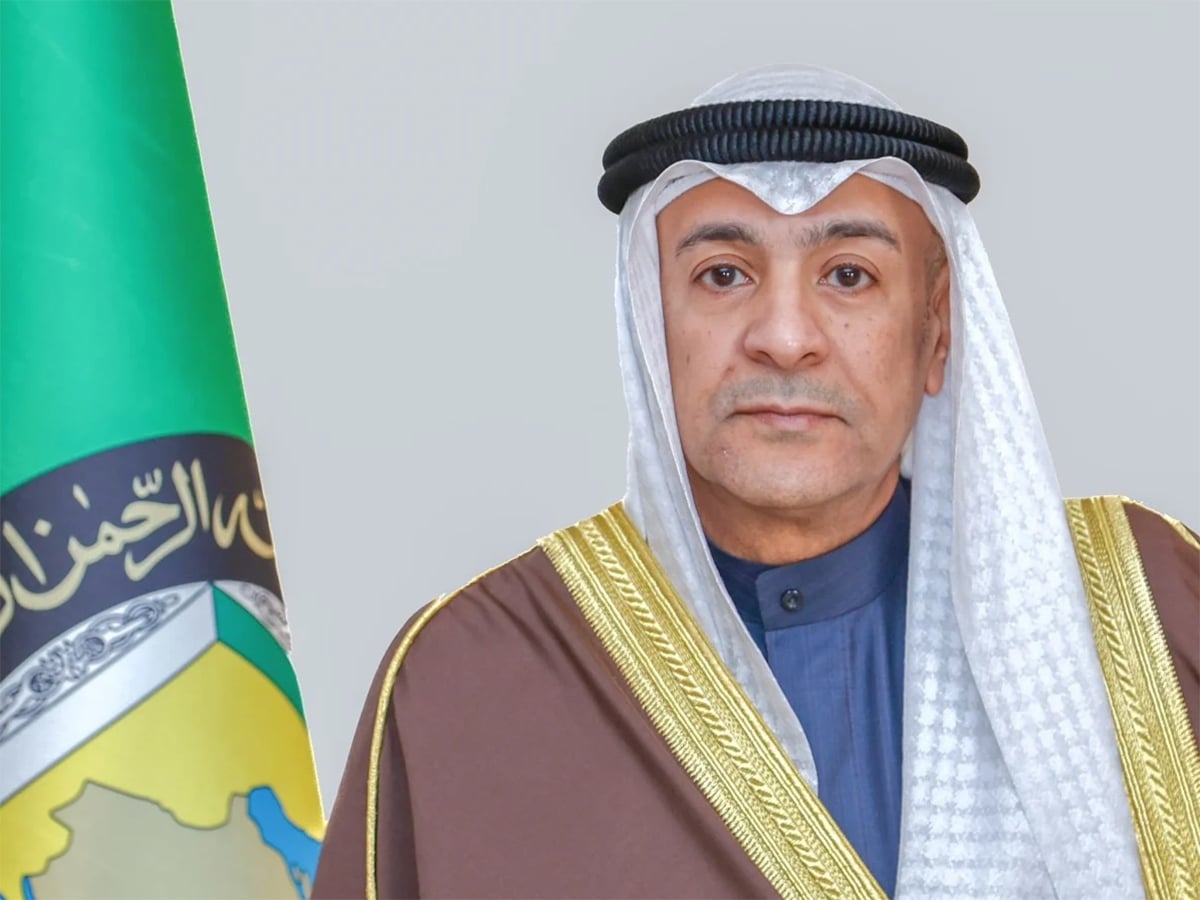
AIJassem Mohammed Al-Budaiwi, Secretary-General of the Gulf Cooperation Council, said that GCC states continue to enhance financial sustainability and efficiency, develop financial risk management tools, improve public spending efficiency, and diversify revenue sources. These efforts have strengthened their ability to preserve economic gains and provided the flexibility needed to address future changes.
He made these remarks during the 126th meeting of the GCC Financial and Economic Cooperation Committee, held today in Manama, Bahrain, chaired by Sheikh Salman bin Khalifa Al Khalifa, Bahrain’s Minister of Finance and National Economy, and attended by finance and economy ministers from GCC member states.
At the start of his speech, Al-Budaiwi expressed his gratitude to King Hamad bin Isa Al Khalifa of Bahrain for hosting the meeting and for Bahrain’s ongoing support for joint Gulf action, praising the facilities provided to ensure the success of the GCC’s work.
Al-Budaiwi noted that the meeting comes at a critical time marked by rapid geopolitical developments, market fluctuations, and challenges in trade and supply chains, in addition to rising global economic uncertainty. He stressed the importance of further strengthening readiness and the ability to address challenges to maintain financial and economic stability and ensure sustainable growth.
Indicators of GCC economic strength
Al-Budaiwi also stated that GCC countries have demonstrated their ability to manage crises and exceptional circumstances, relying on effective fiscal and economic policies, economic diversification programs, and advanced frameworks for joint coordination. He emphasized the need to build on these achievements, enhance coordination between fiscal and economic policies, complete the requirements of the customs union and the Gulf common market, and improve the investment environment.
He pointed out that the GCC’s gross domestic product reached about $2.4 trillion, placing the bloc among the world’s top ten economies. Non-oil activities accounted for around 79% of GDP, reflecting progress in economic diversification. Net foreign assets at GCC central banks stood at approximately $829 billion at the end of June 2023, covering about 11 months of imports. Inflation remained stable at 2.1% in May 2023, lower than the averages of major economic blocs.
Al-Budaiwi affirmed that these indicators reflect the strength of GCC economies and the effectiveness of their economic and fiscal policies, as well as ongoing progress in economic diversification and Gulf integration.