

Turkish intelligence arrests Omar Al-Khatib before attempted escape to Europe
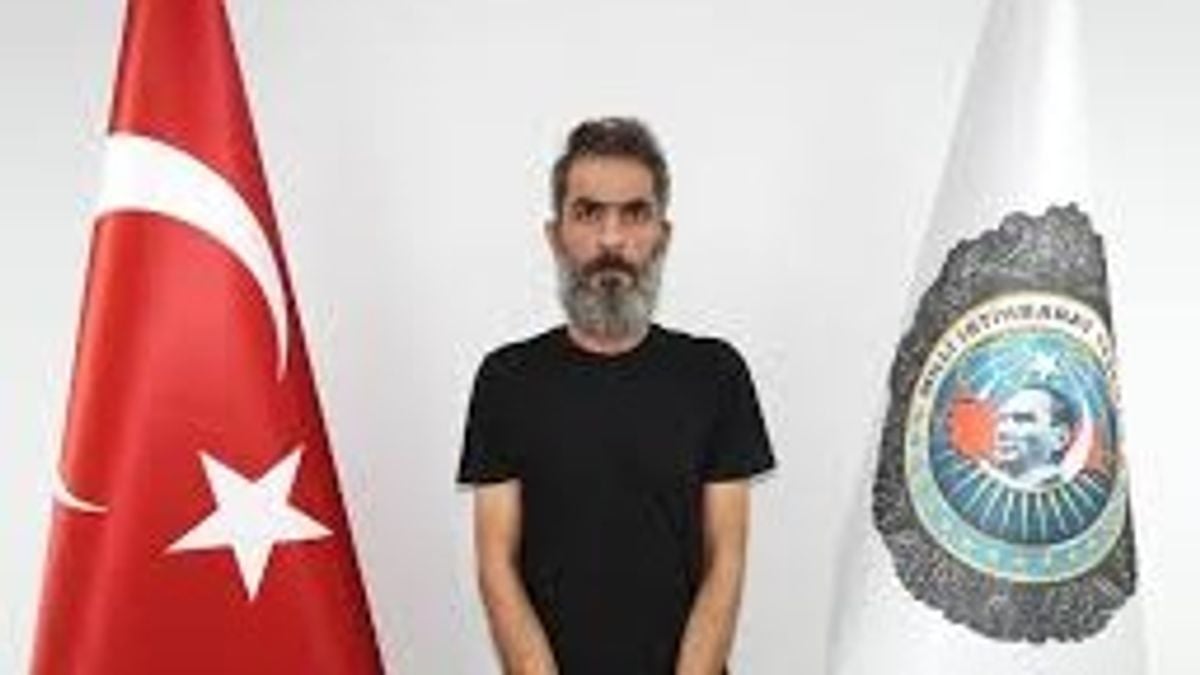
Turkish intelligence has arrested Syrian national Omar Al-Khatib, a suspect in the 2013 Reyhanli bombing, as he tried to flee to Europe by sea.
Key Takeaways
AI
Turkish intelligence has arrested Syrian national Omar Al-Khatib, one of the suspects in the 2013 Reyhanli bombing that killed 53 people in Turkey, as he attempted to escape to Europe by sea after years of being pursued for his role in planning and organizing the attack.
According to Anadolu Agency, citing security sources, Al-Khatib was on the red list of wanted individuals and was involved in planning and organizing the Reyhanli attacks. He also coordinated between the perpetrators and intelligence operatives linked to the Bashar Assad regime.
The sources said Turkish intelligence was able to uncover Al-Khatib’s plan to leave Turkey by sea for Europe, and launched an operation that led to his arrest and transfer back to Turkey.
Turkish media reported that Al-Khatib entered Turkey before the Reyhanli bombing with Yusuf Nazik in February 2013, identified the attack sites, and coordinated with Kifah Mulhem, who was based in Latakia.
Before the attack, Al-Khatib and Temir Dokanci went to the military security branch in Latakia, where they obtained materials used to prepare the explosives, according to Turkish sources. The car bombs were then transported to Reyhanli and detonated remotely.
The Reyhanli bombing occurred on May 11, 2013, in the city of Reyhanli in Hatay province, southern Turkey, when two car bombs exploded, killing 53 people and injuring dozens more.
Turkish authorities say Al-Khatib was among those who facilitated links between the attackers and intelligence operatives of the Bashar Assad regime, a connection also cited in investigations into the bombing.
Al-Khatib’s arrest comes after years of pursuing suspects in the case. Turkish intelligence previously captured Yusuf Nazik in Syria in 2018 and later apprehended other suspects. In June 2026, a Turkish court sentenced several defendants in the case, while files on others, including Al-Khatib, remained under investigation.