

Iran faces winter energy crisis as gas and gasoline shortages worsen
Iran's energy ministry warns of worsening gas shortages and diesel fuel supply issues for power plants this winter, raising fears of a broader energy crisis.
Key Takeaways
AIIran is facing mounting concerns over a potential energy crisis this winter, as the Ministry of Energy warns of worsening gas shortages and increasing difficulty in securing fuel for power plants.
Mostafa Rajabi Mashhadi, Deputy Minister of Energy for Electricity and Energy Affairs, said that the ongoing conflict with the United States and Israel has resulted in the loss of 130 million cubic meters per day of gas processing capacity. This, he told local media, will make it even harder to supply fuel to power stations this winter compared to previous years.
Rajabi Mashhadi explained that the gas deficit stands at around 400 million cubic meters, and the government is seeking to offset part of this shortfall by encouraging consumption cuts, especially in the commercial sector, to minimize disruptions to electricity supplies for industries and production facilities.
He confirmed that diesel fuel continues to be used in power plants, but said its consumption will not increase compared to last year. Burning diesel fuel is a major contributor to air pollution in Iranian cities due to its high sulfur content, which leads to emissions that increase the risk of respiratory and heart diseases.
In November 2024, President Masoud Bazeshkian ordered a halt to diesel fuel use at three power plants due to health and environmental risks. These warnings come as government estimates put the expected winter gas supply shortfall at about 430 million cubic meters per day. Government spokesperson Fatemeh Mohajerani warned on November 11 that gas cuts could hit several areas, including Tehran, if consumption remains high.
Reports indicate that 11 out of Iran's 31 provinces, particularly in the north, may struggle to secure gas supplies. Four gas processing centers were damaged during the conflict with the US and Israel, initially taking 230 million cubic meters per day offline before about 100 million cubic meters were restored, according to Iranian officials.
Alongside the gas crisis, statements by government officials about gasoline and changes to its distribution have raised questions about the government's ability to meet public demand. On November 12, Ismail Saqeb Esfahani, Vice President and head of the Strategic Organization for Energy Improvement and Rationalization, said the government is struggling to secure gasoline and can no longer distribute it at previous levels.
He urged citizens to save their gasoline quotas for travel needs, drawing criticism over the practicality of this advice for those who rely on their cars daily.
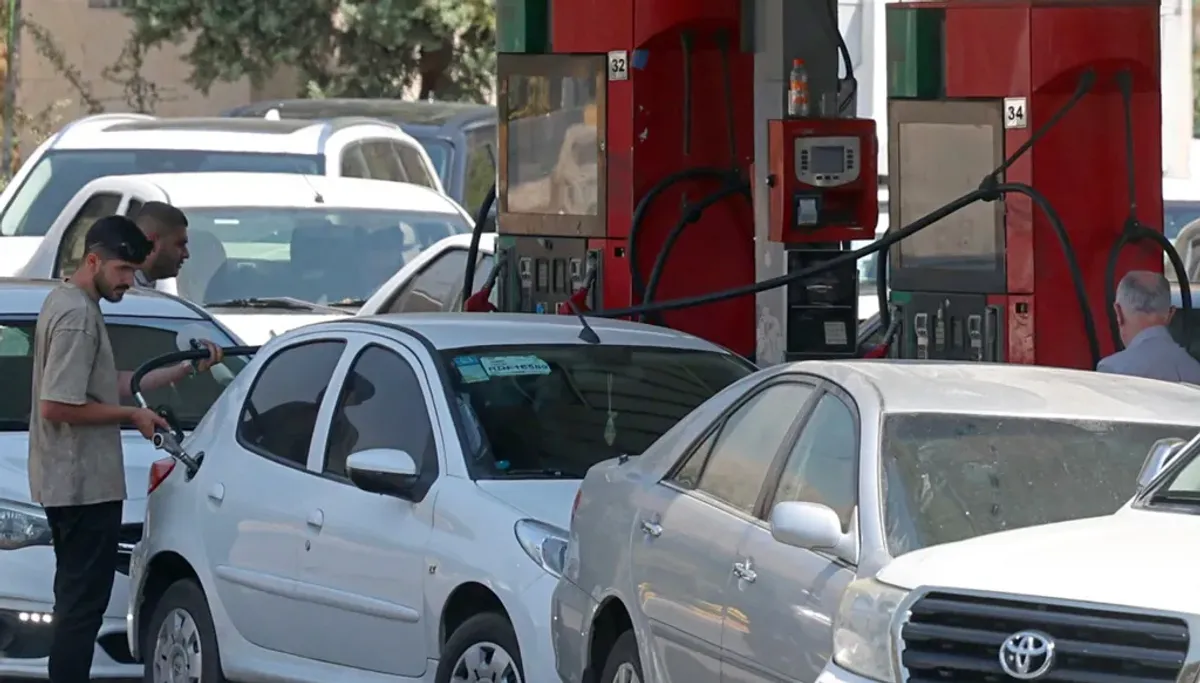
The "Bazaar Civil Protest" channel on Telegram published images of long lines of cars at fuel stations in Bandar Abbas, with residents waiting for hours amid gasoline shortages and a lack of official explanations. Videos also circulated of a protest gathering near the "Aftab Derakhshan" fuel station in the Rajaei area of the city.
The Mizan news agency criticized the call for citizens to store gasoline, calling it unrealistic for people who depend on their vehicles every day.
Mohammad Jafar Ghaem Banah, the executive vice president, announced the start of a plan to collect free fuel cards from filling stations in 11 provinces, with a gradual rollout to other regions.
Mizan warned that collecting the cards without providing alternatives could disrupt gasoline distribution and increase smuggling and black market activity.
Amid the debate over the future of gasoline distribution, First Vice President Mohammad Reza Aref asked government officials to refrain from making statements about fuel and petroleum product decisions before they are finalized, reflecting the confusion surrounding government energy policies as Iran faces simultaneous pressure on gas, electricity, and gasoline supplies heading into winter.