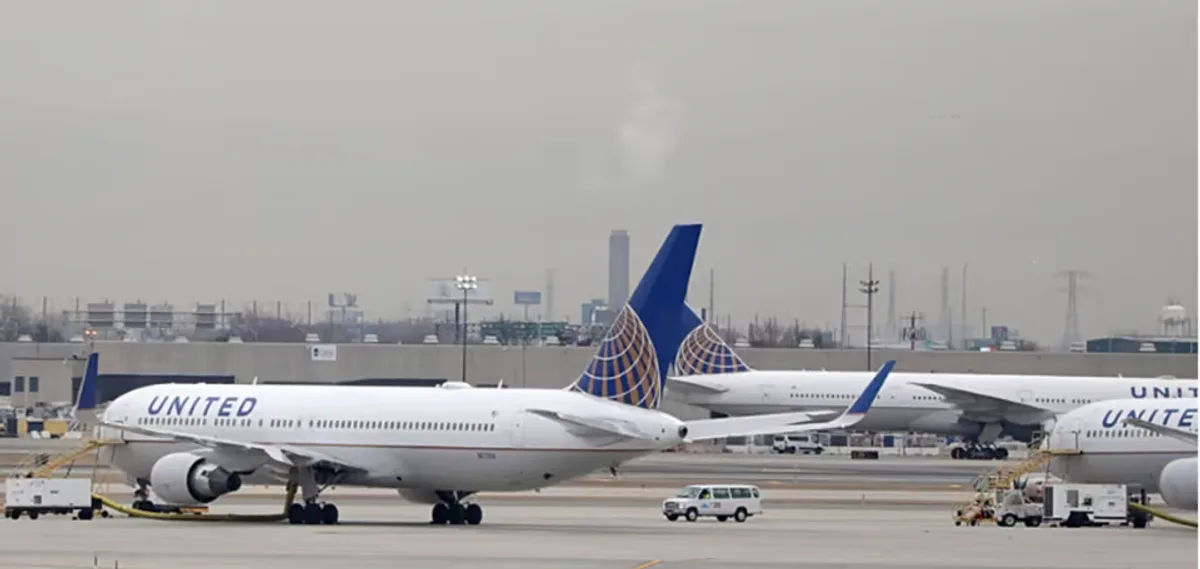
US airports grounded for four hours after major system outage
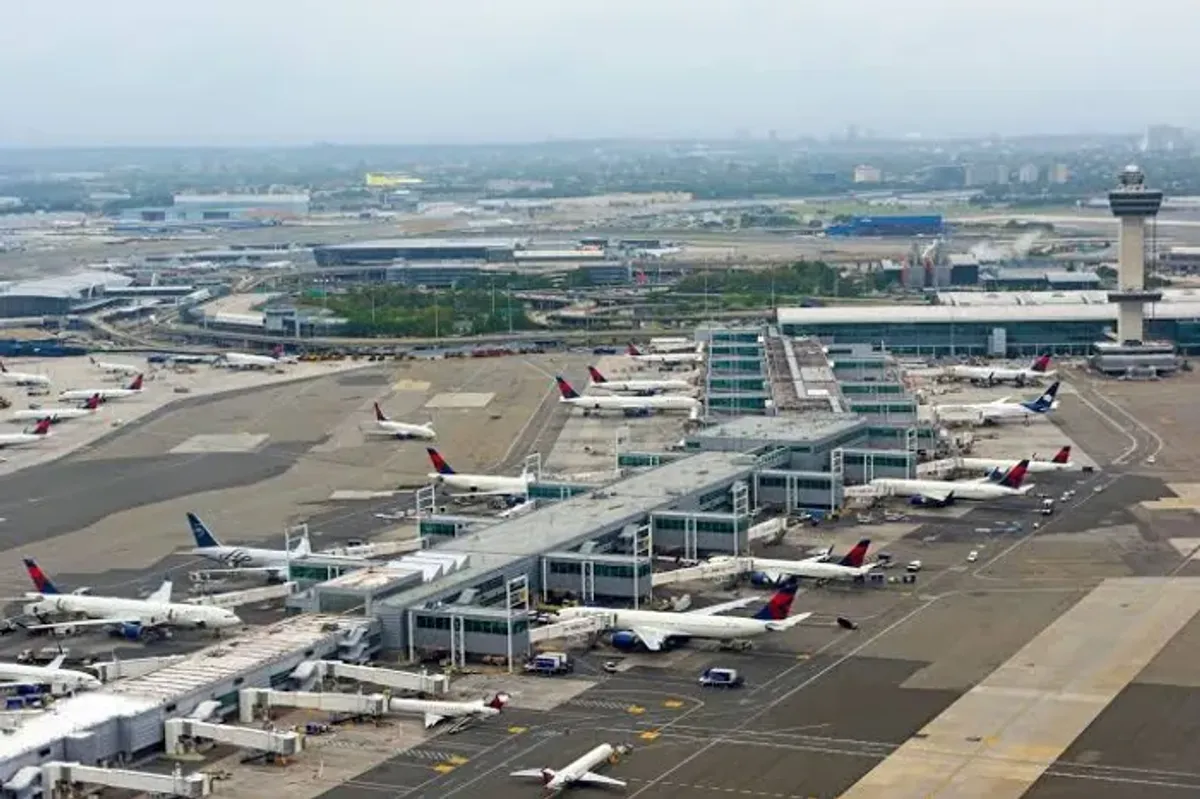
Flights across the United States were halted for over four hours on November 13, 2026, after a communications failure disrupted air traffic control systems.
Key Takeaways
AIIn one of the most significant crises to hit the US aviation sector, departing flights from airports nationwide were halted for more than four hours on Friday, November 13, 2026, following a communications system failure at air traffic control centers. The disruption caused widespread chaos to flight schedules and raised questions about the reliability of the technology underpinning one of the world’s busiest airspaces.
The fallout affected thousands of flights, with airlines struggling to reposition aircraft and crews, once again highlighting the challenges of modernizing America’s air traffic control systems.
More than four hours of grounded flights
The crisis began around 3:36 p.m. Eastern Time, when disruptions were detected in communications and radar systems at air traffic control centers.
As a result, the US Federal Aviation Administration (FAA) ordered a nationwide ground stop for safety reasons, after the affected centers responsible for guiding aircraft between airports experienced outages.
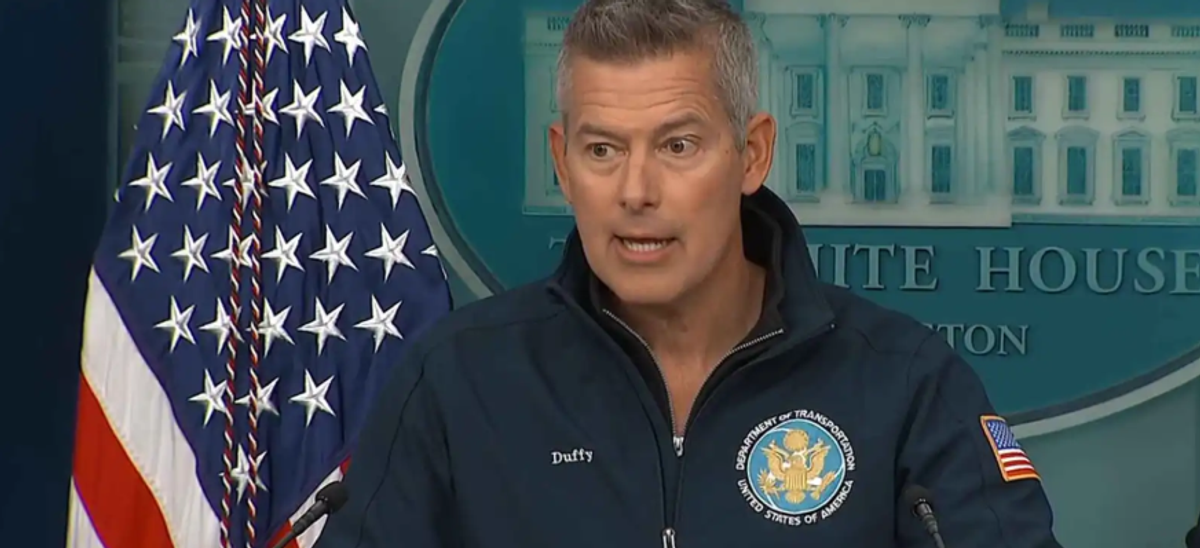
US Transportation Secretary Sean Duffy announced the lifting of the ground stop at 8:15 p.m., ending more than four hours of halted departures.
The order did not prevent planes already in the air from landing, and authorities managed to safely bring down thousands of flights. Some international departures were allowed under special arrangements.
What caused the US aviation shutdown?
US officials attributed the crisis to a malfunction in the aging communications network used for air traffic management.
Secretary Duffy said data routing and switching devices were overloaded, resulting in inconsistent information and disruptions to communications and radar systems, prompting authorities to halt departures as a precaution.
Authorities have yet to announce the root cause of the overload, but confirmed the immediate issue was resolved and systems were ready to resume operations.
Was it a cyberattack?
The crisis sparked questions over whether the aviation infrastructure had suffered a cyberattack, especially as disruptions spread to air traffic control centers nationwide.
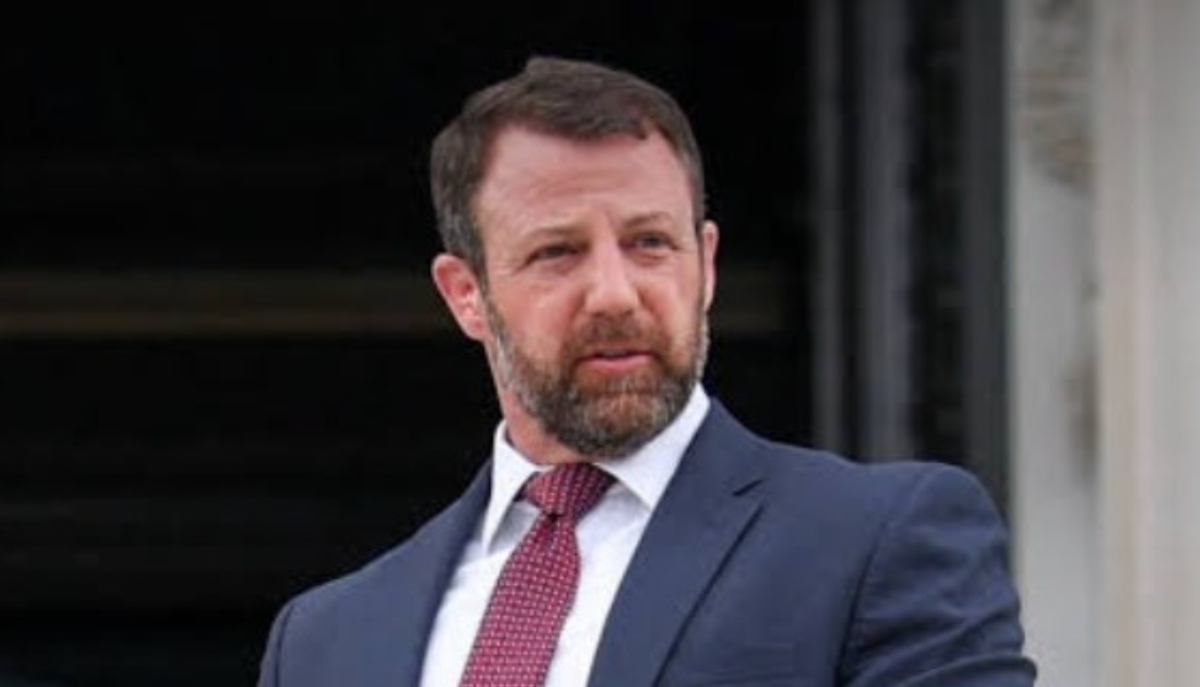
However, US Homeland Security Secretary Markwayne Mullin said there was no evidence of a deliberate attack, noting that investigations were ongoing and no conclusions could be drawn until all checks were complete.
Officials also denied any link between the outage and the new artificial intelligence system used to assist with air traffic management.
$50 billion sought to upgrade aviation systems
The crisis has renewed focus on the aging technology supporting US aviation, prompting the Trump administration to call for additional funding to modernize it.
Earlier on Friday, the White House and Department of Transportation had asked Congress to approve an extra $30.1 billion to upgrade airports and air traffic control systems, including $10.1 billion specifically for air traffic management modernization.
Following the outage, the administration raised its funding request to $50 billion, according to Reuters, in a bid to accelerate upgrades and improve communications network reliability.
Congress had already approved $12.5 billion in July 2025 for air traffic control modernization, infrastructure upgrades, and hiring more controllers.

Thousands of flights delayed or canceled
The crisis did not end with the lifting of the ground stop, as airlines faced difficulties repositioning aircraft and assembling crews for subsequent flights.
According to FlightRadar24 data cited by Reuters, more than 6,600 flights were canceled and around 8,600 delayed.
US reports also indicated that hundreds of flights were diverted to other airports, leaving passengers stranded both in terminals and on planes.
Airlines warned that it could take several days to restore normal operations, due to the backlog of delays, cancellations, and disrupted aircraft movements.
First national ground stop since 9/11?
This was not the first time the US had imposed a nationwide ground stop since the September 11, 2001 attacks.
In January 2023, the FAA halted departures for nearly 90 minutes after a failure in the NOTAM system, which provides critical alerts and information to pilots and airlines.
In September 2001, US authorities closed the national airspace to civilian flights following the terrorist attacks, ordering all airborne planes to land in an unprecedented security measure.
Thus, the November 2026 crisis marks only the second nationwide ground stop since 9/11, after the January 2023 outage.
Aging systems heighten disruption risks
The crisis highlights the scale of challenges facing US air traffic control modernization.
According to a US Government Accountability Office (GAO) report, the FAA classified 51 out of 138 systems as unsustainable, with another 54 at risk of becoming unsustainable due to aging equipment, maintenance issues, and funding shortfalls.
In September 2026, the Philadelphia air traffic control center experienced a communications outage that worsened after a backup fiber optic cable was cut during construction in New Jersey, causing thousands of delays and cancellations in the Northeast.
These incidents underscore the urgent need to upgrade communications and radar systems and build more robust backup networks.
While the FAA managed to resolve the outage and resume departures, the crisis did not end immediately, as airlines required time to restore normal schedules.
As efforts to modernize the technology continue, the incident raises serious questions about the US’s ability to protect air travel from sudden disruptions that could escalate into nationwide crises.