Houthi violations in Yemen: shelling, abductions and child recruitment threaten civilians
Houthi militia abuses in Yemen range from shelling and abductions to child recruitment, impacting daily life and worsening the humanitarian crisis for civilians.
Key Takeaways
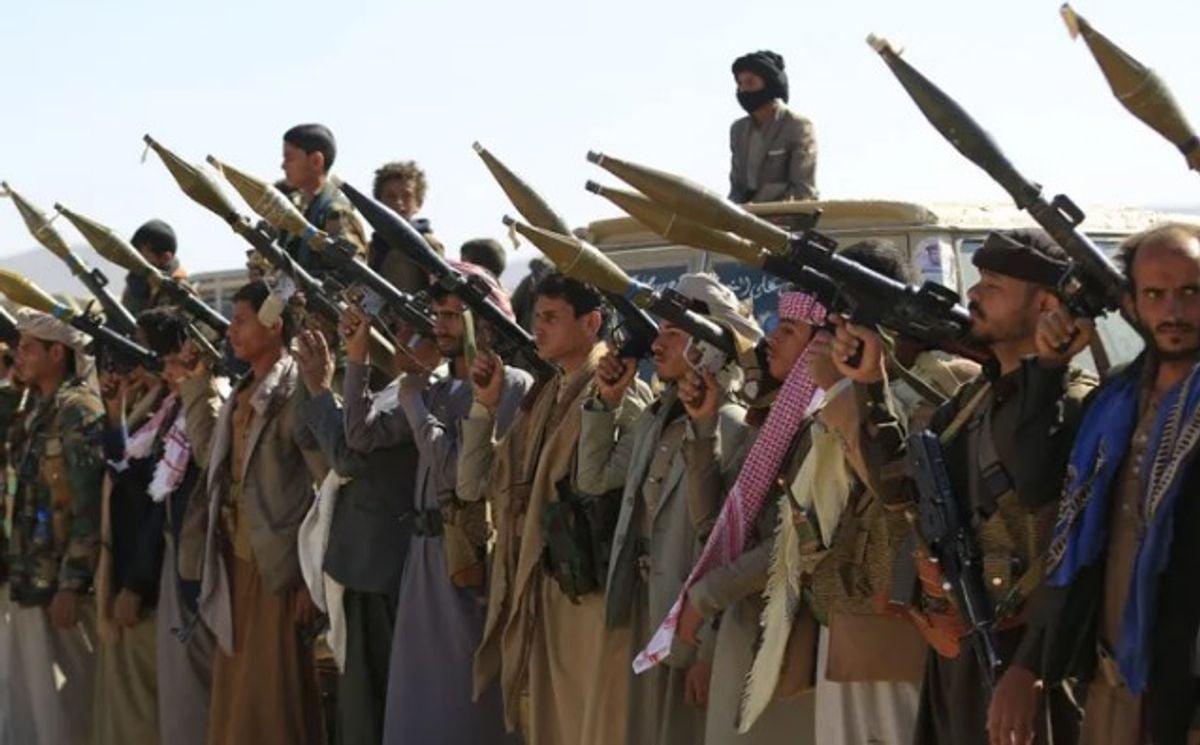
AIThe Houthi militia continues to commit a wide range of abuses against civilians in Yemen, affecting nearly every aspect of daily life. The risks are no longer limited to shelling and clashes, but now include sniping, abductions, arbitrary detention, enforced disappearances, and child recruitment. Homes, schools, and health facilities have been damaged, roads disrupted, and restrictions imposed on civilian movement.
These practices have created a dire humanitarian reality for civilians, whose lives and property remain at risk. Access to essential services—including education, healthcare, food, and medicine—has declined, while displacement and loss of shelter and income continue to worsen.
The patterns of violations attributed to the Houthi militia reflect the breadth of suffering endured by Yemenis, as direct attacks intersect with severe social and economic consequences, leaving daily life fraught with multiple dangers.
Shelling and sniping: ongoing threats to civilian lives
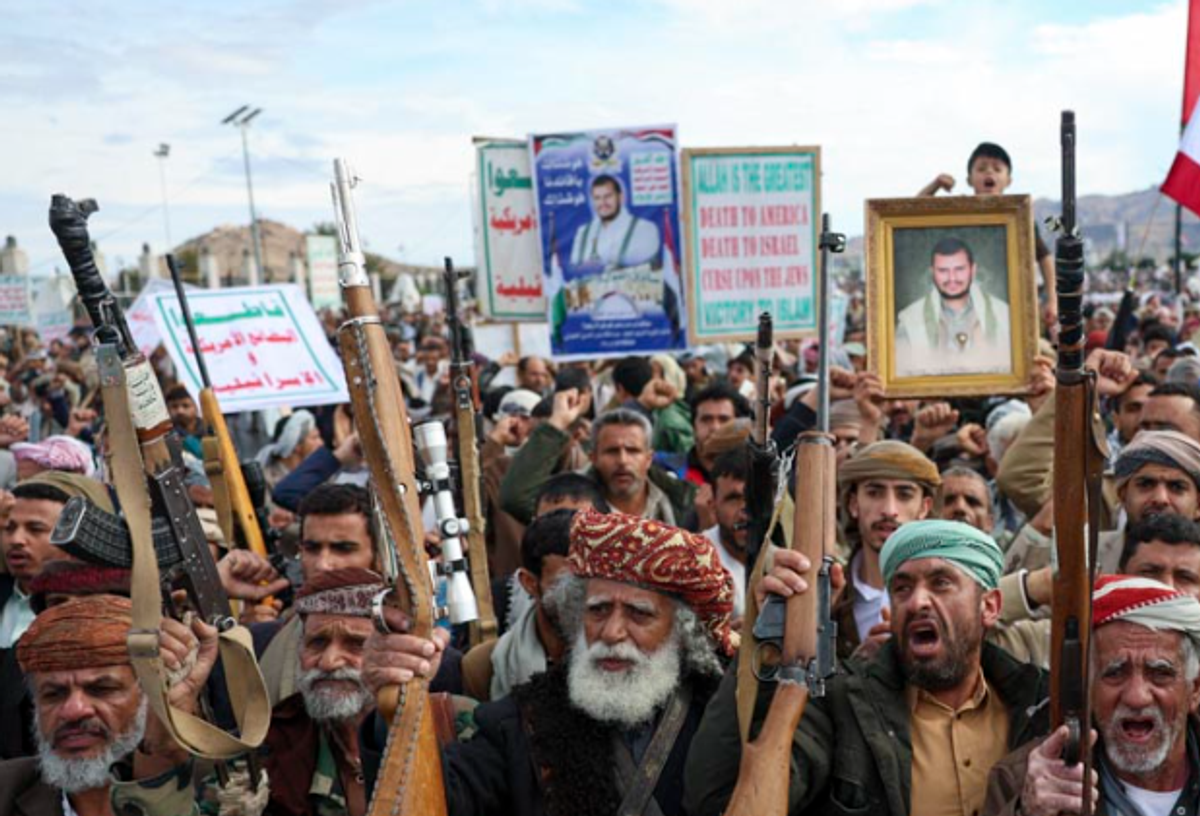
Rocket attacks, drone strikes, and sniper fire by the Houthi militia are among the most prominent threats to civilians, especially as these attacks increasingly target residential and populated areas, resulting in deaths, injuries, and property damage.
Documented incidents reveal the scale of human losses. According to Yemen’s Ministry of Human Rights, 3,334 violations were recorded between August 1 and November 15, 2026, resulting in 1,849 civilian casualties, including 594 killed and 1,255 injured.
The figures include 215 children, 196 women, and more than 80 elderly people. Sniper attacks alone claimed 127 lives. There were also 53 rocket attacks involving at least 121 rockets, and 137 drone strikes.
Landmines and explosive devices pose an additional, persistent threat, with 10 documented incidents causing 13 deaths and 16 injuries, leaving civilians at risk even away from front lines.
Homes, schools and hospitals: Houthi violations target vital infrastructure
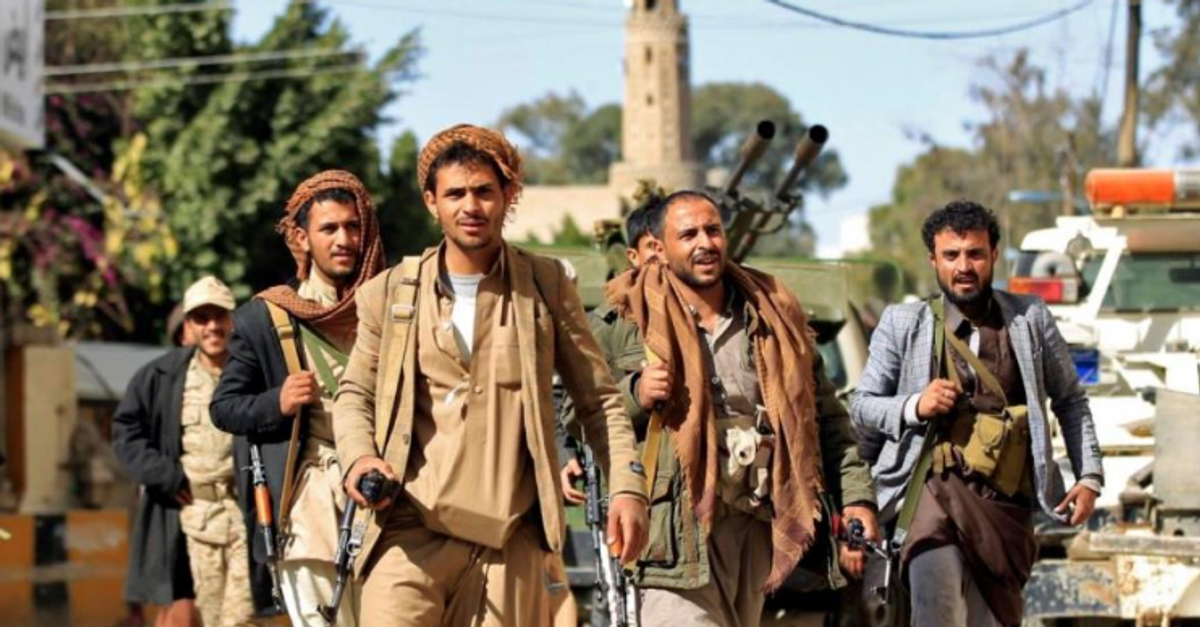
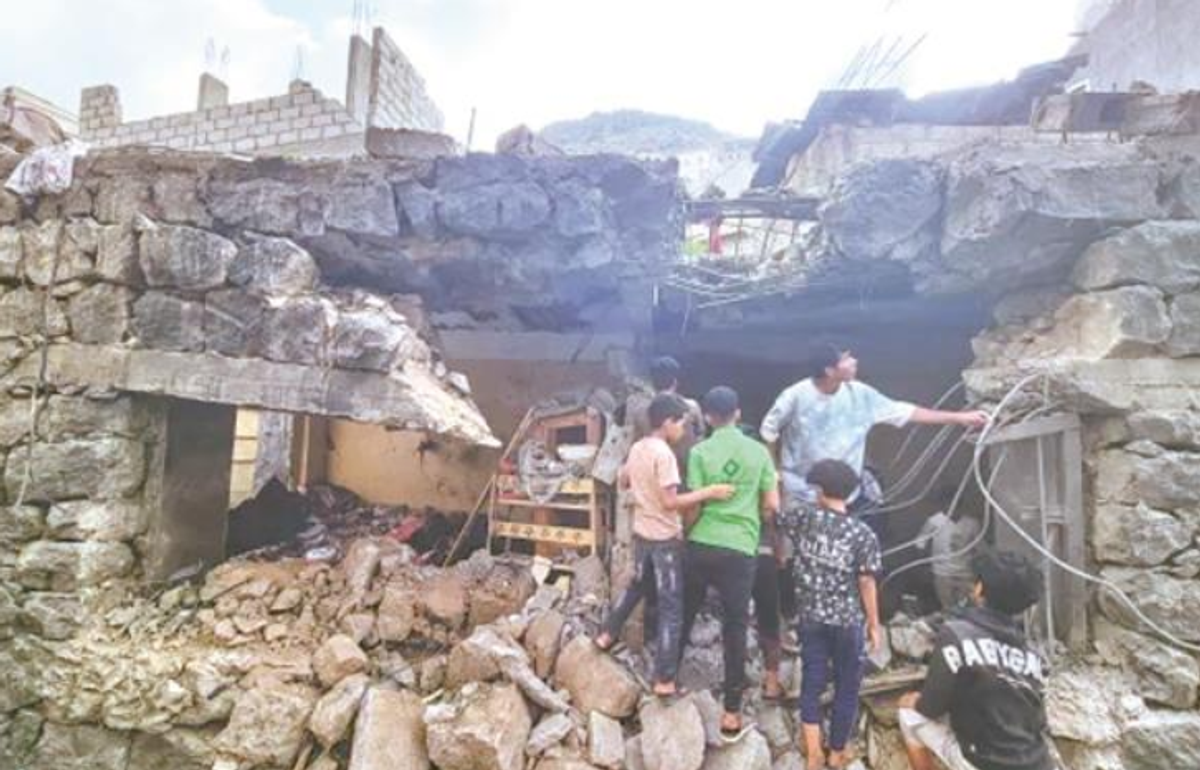
Houthi violations go beyond endangering lives, extending to homes, educational facilities, and health centers—key pillars of stability for Yemeni communities.
Damage has been reported to 412 homes and residential buildings, forcing many families to seek alternative shelter after losing their homes or property.
The education sector has also suffered, with 93 educational facilities damaged and studies halted in 243 schools, affecting around 137,000 students. These disruptions not only interrupt learning but also deprive children of their right to education, threatening their future and increasing dropout risks.
The health sector faces similar challenges, with 312 incidents affecting medical facilities and services, and 19 attacks on ambulances—including three direct strikes and 16 cases of looting or seizure.
Such actions have placed additional strain on medical centers, reducing their ability to serve patients as health needs rise, making the damage to the sector an added burden for civilians.
Abductions and detention: Houthi militia violates civilian rights
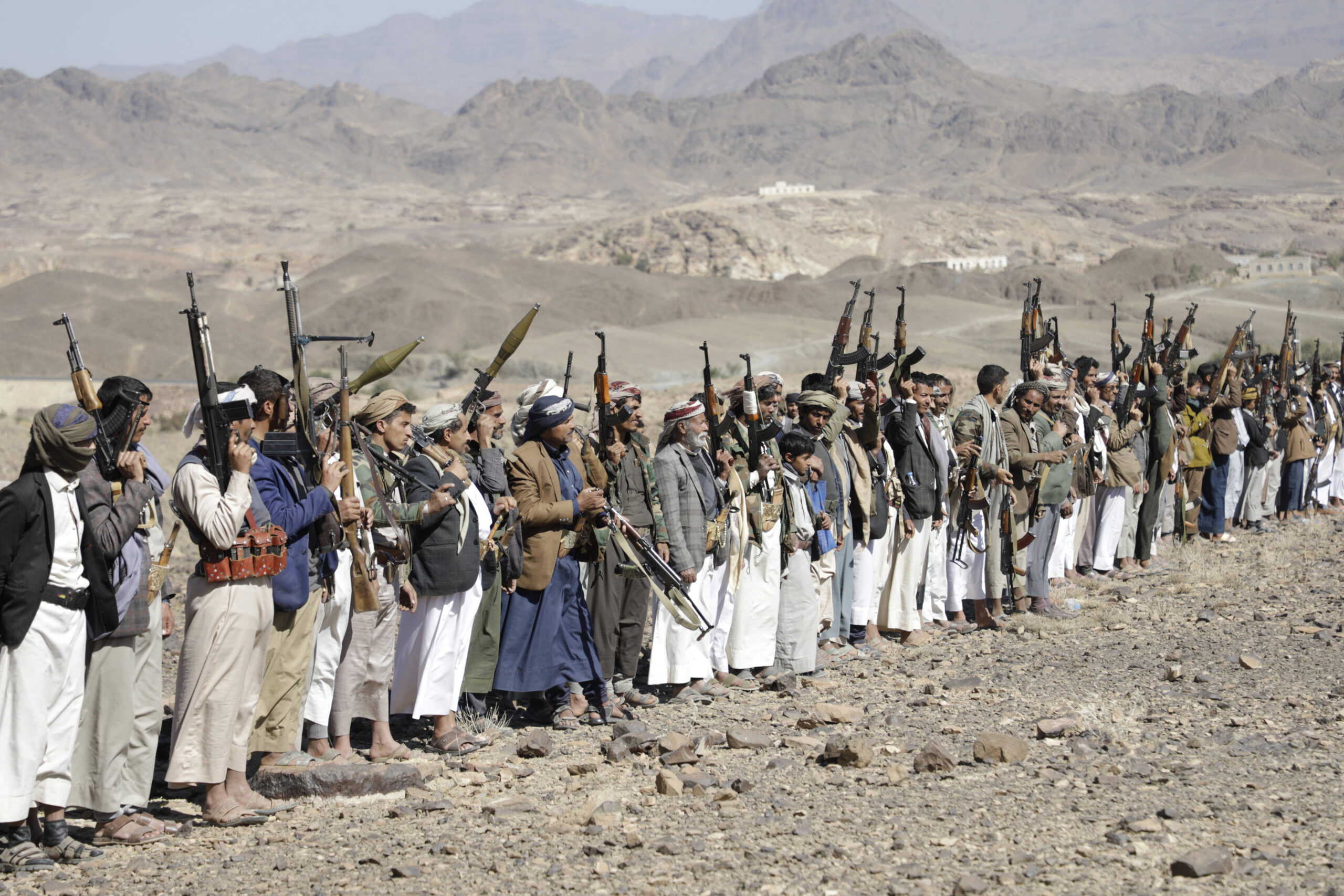
Abductions, arbitrary detention, and enforced disappearances are among the violations faced by Yemeni civilians, leaving victims and their families suffering not only from loss of freedom but also from ongoing fear for their safety and wellbeing.
Documented cases include 233 incidents of abduction, detention, and disappearance, with 25 individuals identified by name and 208 cases occurring during mass campaigns, according to the Ministry of Human Rights.
Concerns about detainee conditions are heightened by questions over their safety and legal rights, particularly as the fate of some abductees remains unknown.
The death of UN employee Mohammed Ibrahim Al-Shami while in Houthi custody, announced on October 31, 2026, highlights the dangers detainees face and underscores the need for investigations and protection of detainee rights.
Child recruitment: robbing children of their childhood and future
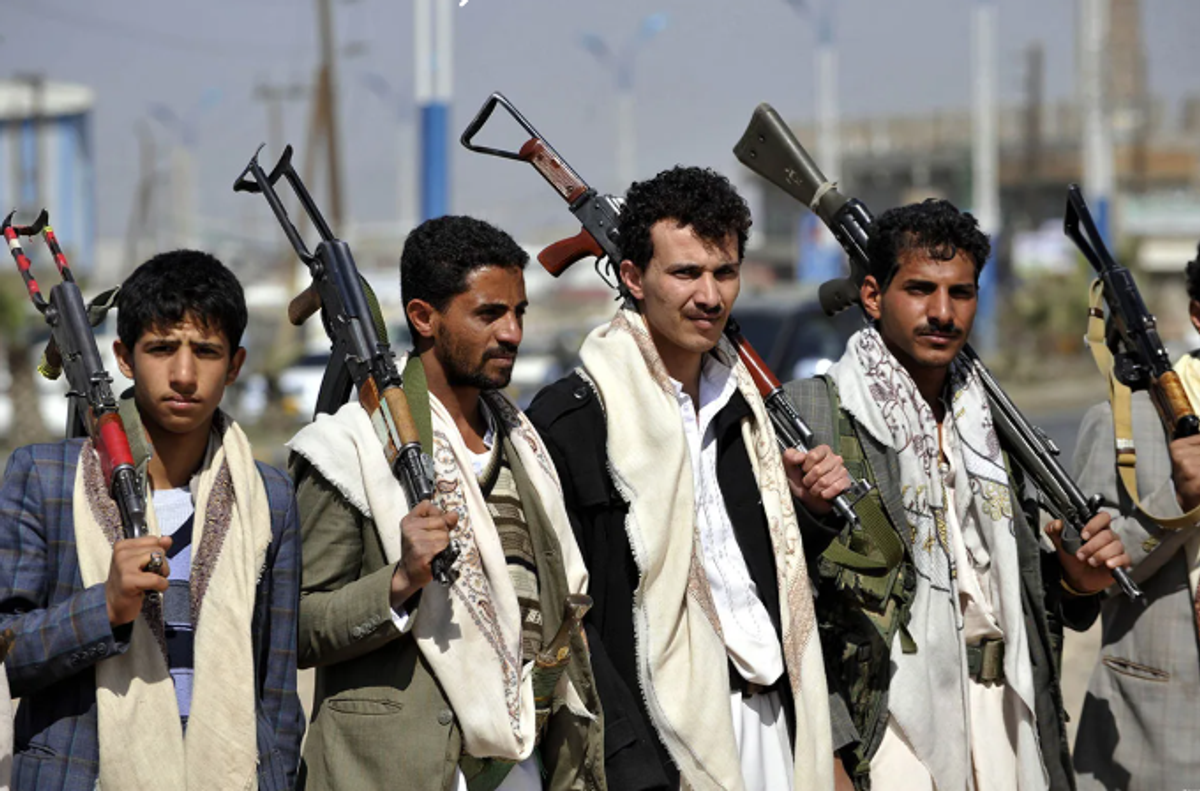
The recruitment and deployment of children to battlefronts is among the most serious violations attributed to the Houthi militia, exposing minors to danger, depriving them of education, and denying them a safe environment.
The consequences extend beyond combat participation, inflicting deep psychological and social harm and leaving families in constant fear for their children’s lives and futures.
According to the Ministry of Human Rights, 260 child recruits have been killed, highlighting the severe humanitarian impact of child recruitment and its violation of fundamental rights.
These practices further deprive children of opportunities for growth and learning, turning childhood into a period marked by conflict instead of safety and education.
Taiz siege and road closures: civilians face movement restrictions
Residents of Taiz province continue to suffer under restrictions on key roads, making it difficult to travel and access essential services amid the ongoing siege and Houthi-imposed limitations.
Affected routes include those connecting Taiz with Al-Kadha, Al-Mokha, and Hayjat Al-Abd—vital arteries for movement of people, goods, and supplies. Their closure has further worsened living conditions.
These restrictions not only increase travel distances but also hinder patients from reaching hospitals, disrupt students and workers, and raise the cost of transporting goods, food, fuel, and medicine.
The roadblocks also impede delivery of humanitarian aid and commercial supplies, increasing pressure on residents and making it harder for low-income and vulnerable families to meet basic needs.
Displacement: Yemeni families seek safety
Displacement is another facet of Yemen’s humanitarian crisis, with thousands of families forced to flee their homes in search of safety, facing new challenges in securing shelter, food, healthcare, and education.
Displacement data from western Yemen shows more than 347,000 displaced people, with Taiz, Lahij, and Aden provinces hosting large numbers of families facing mounting hardships.
Concerns are growing as fighting nears displacement and refugee camps, especially the Kharaz camp in Lahij province, which shelters about 9,000 refugees, amid UN warnings about the proximity of conflict.
As risks reach displacement areas, families who fled for safety may again face security and humanitarian threats, increasing the likelihood of repeated displacement and straining limited resources and services.
Houthi violations: suffering beyond the battlefield
Houthi militia abuses extend far beyond the battlefield, affecting all aspects of civilian life—from the right to life and security to education, healthcare, freedom of movement, and access to food and humanitarian aid.
Shelling and sniping directly threaten lives, while abductions and detention cause deep psychological and social harm. Child recruitment robs minors of their childhood and future, and damage to homes, schools, hospitals, and road closures make daily life even more difficult.
As these violations persist, protecting civilians and civilian infrastructure, ensuring unimpeded humanitarian access, and investigating and holding perpetrators accountable remain urgent priorities to alleviate the humanitarian crisis.
Civilians in Yemen continue to suffer under Houthi militia abuses, which now impact not only human losses but also security, stability, education, health, and livelihoods, leaving millions facing humanitarian consequences that reach far beyond the front lines.