
Mansour Abbas weighs Hamas terror label as Eizenkot coalition talks intensify
Mansour Abbas’s stance on Hamas emerges as a key issue in Israeli coalition talks, with his party’s support potentially pivotal for a government led by Gadi Eizenkot.
Key Takeaways
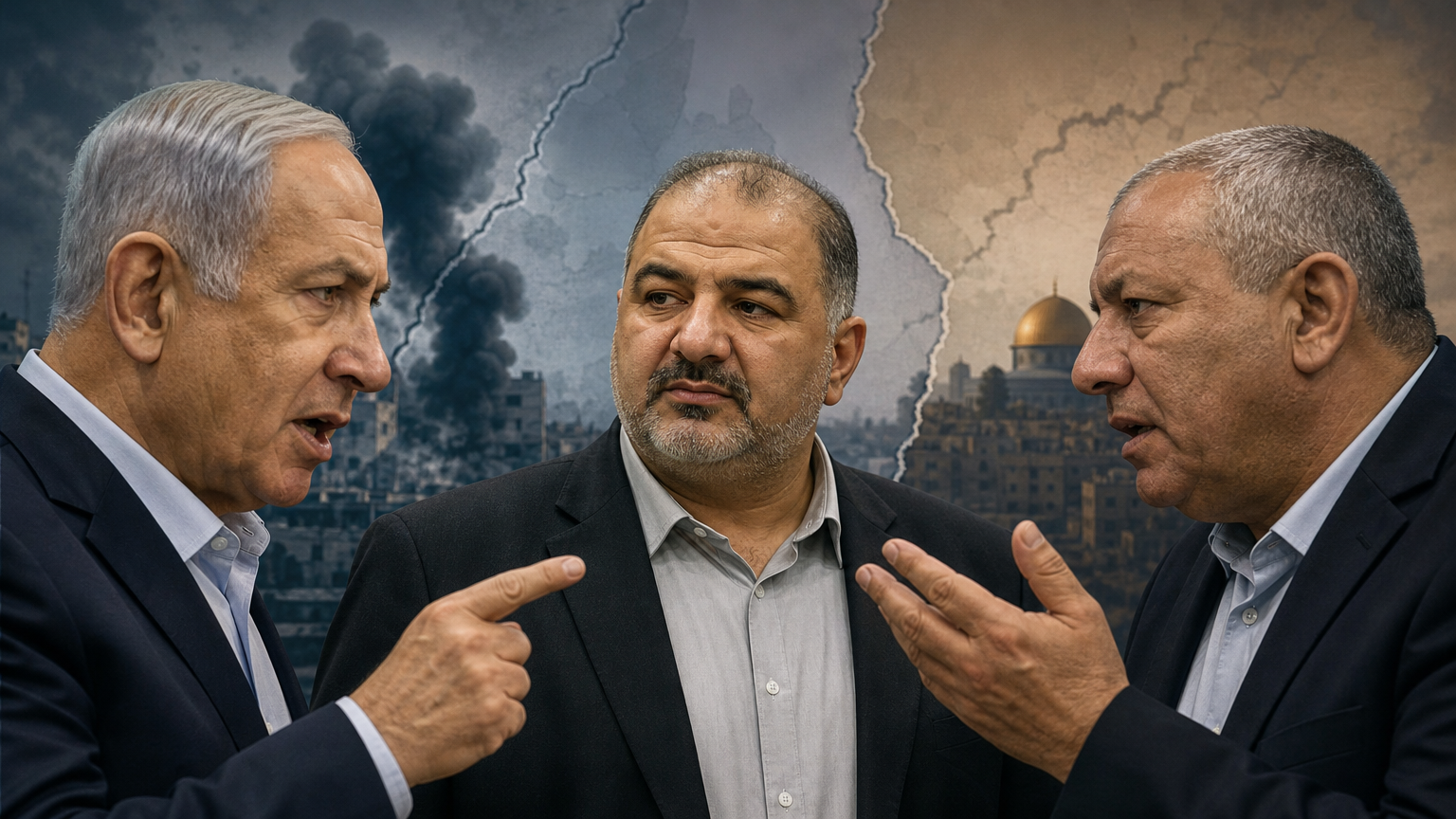
AIIn a sign of the growing complexity of Israel’s political landscape, the battle to form the next government has moved beyond the rivalry between Benjamin Netanyahu and his opponents to include negotiations with Arab parties—chief among them the United Arab List led by Mansour Abbas. Abbas’s position on Hamas has become a central issue at the coalition bargaining table.
As Gadi Eizenkot’s bloc seeks to end Netanyahu’s rule, the United Arab List has emerged as a potential kingmaker, especially amid reports that Abbas may be willing to designate Hamas as a terrorist organization in exchange for genuine political partnership and guarantees addressing the needs of Israel’s Arab community.
Mansour Abbas signals openness to Hamas terror designation
Yedioth Ahronoth reported that Abbas has given preliminary approval to one of Eizenkot’s key conditions for joining his government: recognizing Hamas as a terrorist group in return for full coalition membership, rather than merely supporting the government from outside.
The Times of Israel quoted Democratic Party leader Yair Golan as saying he does not believe the Hamas issue will be a stumbling block for Abbas, suggesting the dispute could be resolved through negotiations.
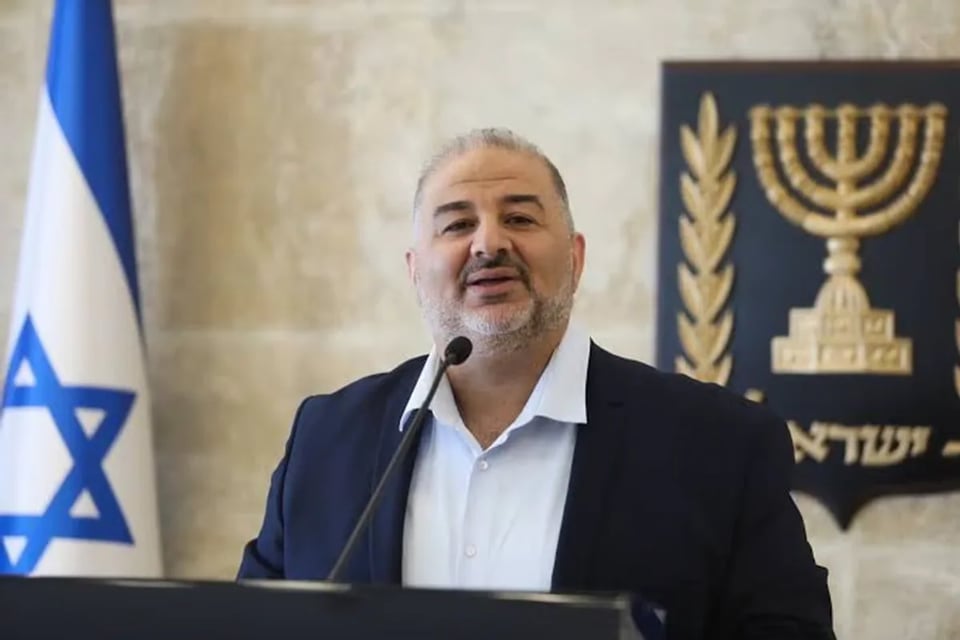
Abbas, for his part, has avoided explicitly confirming his agreement to the condition, but has reiterated that the United Arab List rejects and condemns all forms of terrorism. He noted the party’s previous acceptance of dismantling Hamas as part of former US President Donald Trump’s peace plan and affirmed his party’s desire to join the next government.
Why Abbas previously hesitated to declare his position
The sensitivity of the issue dates back to Abbas’s consultations with Israeli President Isaac Herzog earlier this month, when he refused to explicitly label Hamas as a terrorist organization, despite denouncing violence and terrorism.
According to the Times of Israel, Abbas explained that he wanted to maintain a role as a mediator and bridge to the Palestinian side, and cited concerns for his own safety and that of his family.
When asked why he would not call Hamas a terrorist group, Abbas requested space to act as a “bridge” to the other side, warning against turning the United Arab List and its members into suspects of terrorism or traitors, and subjecting them to constant loyalty tests.
During the same meeting, Abbas expressed support for Gadi Eizenkot to form a new government, despite the ongoing dispute over the Hamas condition.
Eizenkot sets four conditions for coalition participation
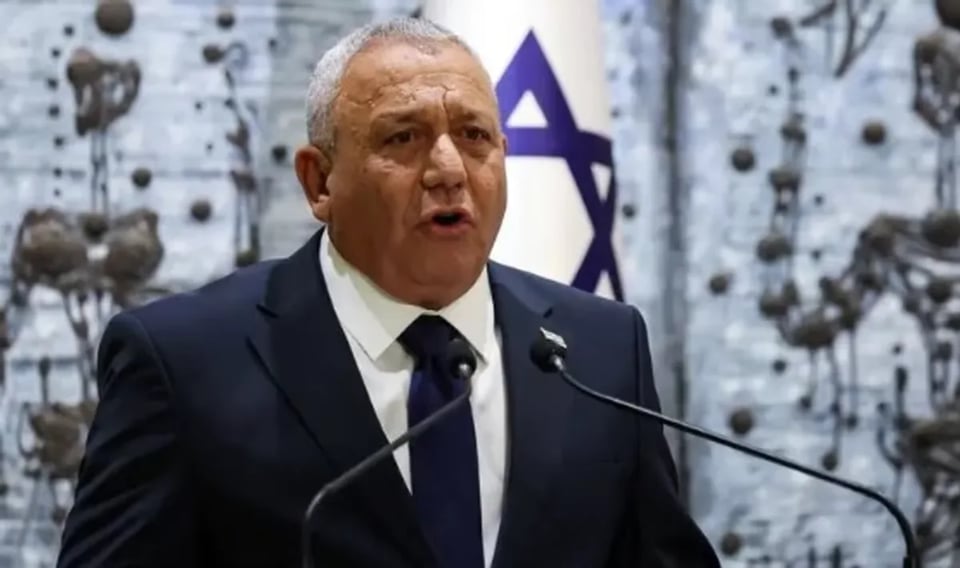
Eizenkot has outlined a set of principles for parties wishing to join his government, according to Yedioth Ahronoth and the Times of Israel. These include recognizing Israel as a Jewish, democratic, liberal, and equal state; committing to the values of Israel’s Declaration of Independence; implementing mandatory military, national, or civil service for all citizens; and recognizing Hamas as a terrorist organization while committing to dismantling its military capabilities and governing authority in Gaza.
The last condition remains the main obstacle for the United Arab List’s participation. Abbas is seeking guarantees on issues affecting Israel’s Arab community, particularly combating crime and violence in Arab towns and improving civil and economic rights and services.
Natan Ishail’s contacts reveal behind-the-scenes maneuvering
In a development highlighting behind-the-scenes efforts, Israel’s Channel 12 revealed that Natan Ishail, a close associate of Netanyahu, held repeated contacts with Abbas before, during, and after the elections, aiming to dissuade him from supporting Eizenkot.
According to a Times of Israel report, Ishail asked Abbas whether the United Arab List would allow Eizenkot to pass a law barring anyone facing criminal charges from forming a government—a move that could impact Netanyahu’s chances of returning as prime minister while on trial for corruption.
Ishail also sought to determine whether Abbas would support Eizenkot in the Knesset without formally joining the coalition. The report quoted Ishail as saying he asked several Arabs whether they would back someone unwilling to include them in his government, to which Abbas replied that they would act in their own best interests.
Likud, for its part, said it was “not aware of these contacts, which were not authorized by Netanyahu,” and reiterated its opposition to cooperating with parties that support terrorism.
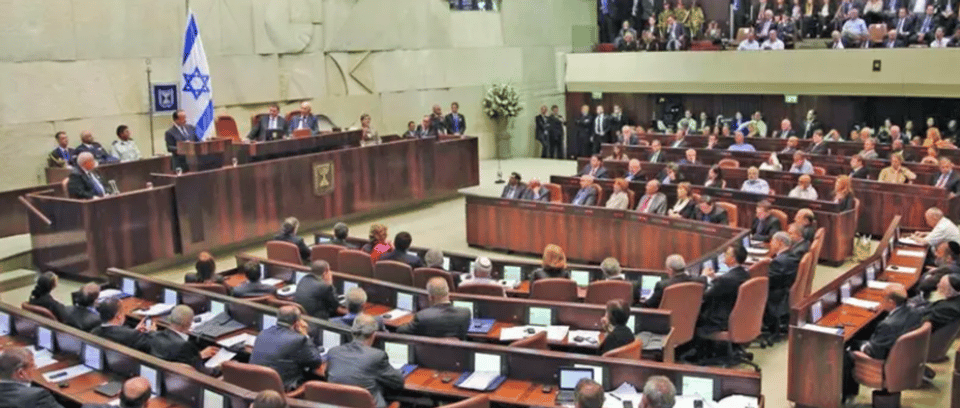
Netanyahu and right-wing attack prospect of Abbas’s participation
Netanyahu has continued to attack efforts to form an alternative government reliant on Arab party support, calling instead for a national unity government under his leadership and warning against a government backed by what he described as Hamas supporters.
Reports of Abbas’s willingness to label Hamas a terrorist organization have sparked angry reactions from the right. Itamar Ben-Gvir accused Abbas of political maneuvering and deception, suggesting his stance may be a ploy to gain influential government posts.
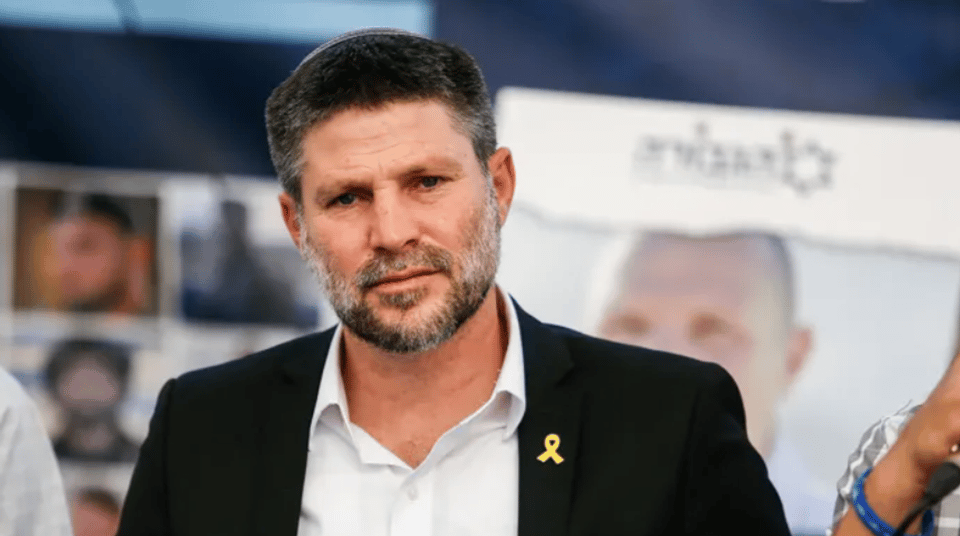
Bezalel Smotrich accused the United Arab List leader of seeking to join the government to undermine Israel from within, while Likud argued that Abbas’s expected statements on Hamas do not represent a genuine shift in his position.
Could Mansour Abbas become the key to an Eizenkot government?
Despite the apparent rapprochement between Abbas and Eizenkot’s camp, the United Arab List’s entry into the next Israeli government remains contingent on its stance toward Hamas, political guarantees, and the willingness of other parties to accept an Arab party in the coalition.
According to the Times of Israel, Abbas is seeking a genuine partnership that addresses Arab community issues, with reports indicating he is demanding ministerial portfolios for himself and his party’s second candidate, Yoav Segalovich.
Meanwhile, Eizenkot continues talks with other parties, including ultra-Orthodox factions, meaning the United Arab List is not the only option on the table.
Upcoming statement could shift political landscape
In the latest development, the Times of Israel reported on Friday that Abbas is preparing to make a public statement on Hamas’s designation during an interview with journalist Dana Weiss on Channel 12, scheduled to air Saturday evening.
Abbas confirmed he will address the issue of defining Hamas, and a preview clip showed him being asked whether he has come to terms with the possibility that this move could endanger his life, to which he replied that he has accepted that risk.
The anticipated announcement could remove a major obstacle to the United Arab List joining an Eizenkot-led government, though it does not guarantee a final agreement as negotiations over political and ministerial demands continue.
These developments highlight how Mansour Abbas’s position on Hamas has become more than a political statement—it is now a decisive factor in coalition talks, as Netanyahu and Eizenkot vie for the support needed to secure a parliamentary majority.