

Iran links reopening of Strait of Hormuz, US talks to seven new conditions
Iran's top security official says reopening the Strait of Hormuz and resuming talks with the US depend on seven new conditions being met.
Key Takeaways
AI
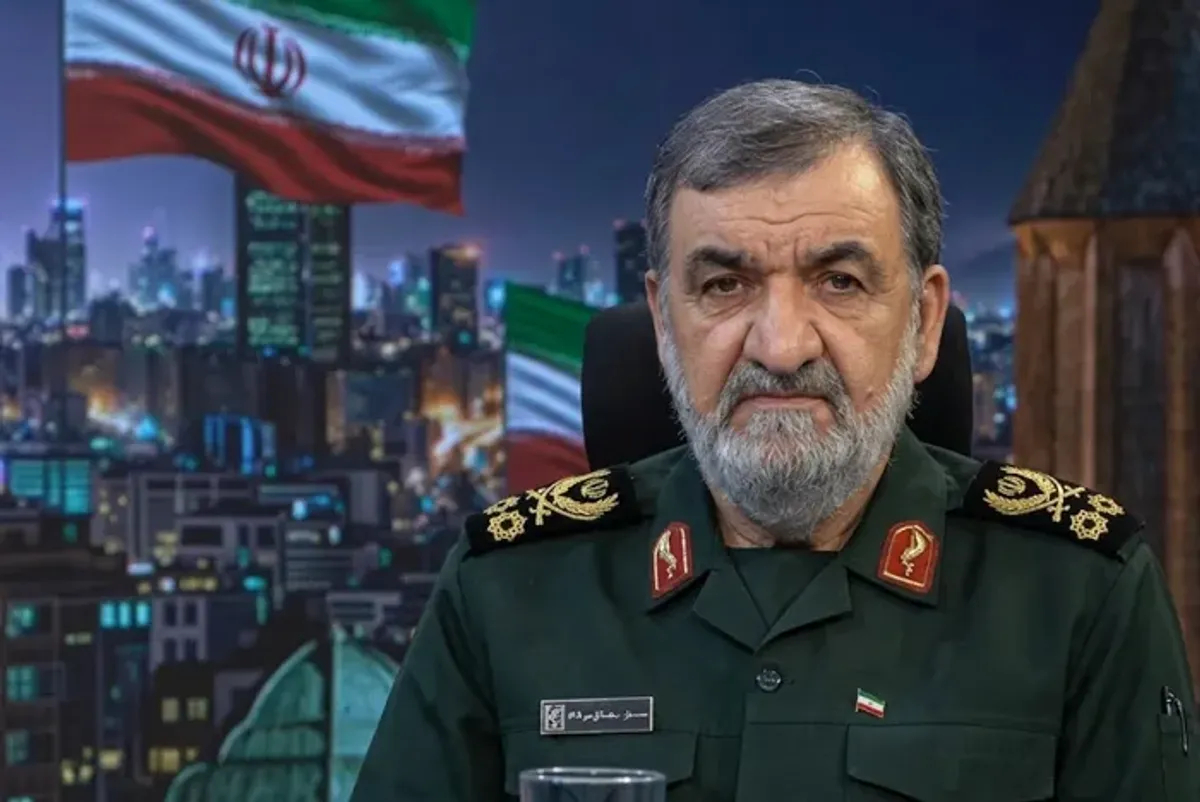
Mohsen Rezaei, Secretary of Iran's Supreme National Security Council, has tied the reopening of the Strait of Hormuz and the resumption of negotiations with the United States to the fulfillment of seven new conditions presented by Tehran through intermediaries. He stressed that any future agreement must include guarantees for the implementation of commitments, rather than relying solely on political pledges.
In an interview with the website "Drop Site," Rezaei said Iran still prefers a diplomatic solution to end the conflict, but will not relinquish its leverage before reaching a deal that ensures its demands are met. He warned that any action against Iran would come at a cost.
According to the Iranian news agency IRNA, the new conditions form the basis of Tehran's stance on the strait and negotiations. Rezaei emphasized that Iran will not return to talks or reopen the waterway until its demands are fulfilled.
Rezaei attributed the failure of the previous memorandum of understanding on the Strait of Hormuz to flaws in the sequence of fulfilling commitments. He explained that Tehran reopened the strait and resumed navigation before the other party met its political and economic pledges, a mistake he said Iran will not repeat in any future agreement.
He clarified that the difference in the new arrangements lies in including guarantees for the implementation of commitments within the agreement itself, rather than relying on political promises that may not be honored.
Rezaei also noted that Iran has reached an understanding with Oman to establish a new maritime corridor in the Strait of Hormuz, much of which will pass through waters under Iranian control. He linked the operation of this corridor to the United States meeting Iran's conditions, after which Tehran would decide to reopen the strait and shipping would resume according to arrangements agreed with Muscat.
Rezaei described the management of the Strait of Hormuz as a national asset for Iran, with significance beyond potential revenue from collecting fees. He said the main issue is security, with the possibility of imposing fees to cover security, insurance, and environmental protection costs.
On the military front, Rezaei affirmed that Iran remains capable of continuing its missile operations and drone attacks, claiming these capabilities are dispersed, not concentrated in a single location or dependent on one production line.
He explained that Iran has invested for years in building underground facilities and developing the ability to repair damage and replace equipment. He stressed that assessments of Iran's military strength should not be limited to the number of remaining missiles, but should also consider its capacity for ongoing production, deployment, and response.
Rezaei added that Tehran does not need to launch missiles at the same intensity daily to maintain its deterrent capability. He said the goal is to make clear to the other side that any new attack will have consequences, and that Iran can choose the timing and location of its response.
He reiterated that Iran prefers a diplomatic solution if it can end the conflict, but retains the means to continue responding if hostilities persist.
Regarding the possibility of targeting energy facilities in the region, Rezaei said Iran does not pursue a policy of attacking civilian energy infrastructure to harm the regional economy. However, he warned that if such facilities are directly used to support military operations against Tehran or to mitigate the effects of sanctions, Iran's approach to them could change as part of its strategic calculations.
He added that Iranian oil facilities, ports, and shipping lanes cannot remain targets for attacks while the economic infrastructure of parties supporting such operations remains untouched, according to his remarks.
Rezaei called for security arrangements that exclude energy facilities, shipping corridors, and civilian infrastructure from the conflict, stressing that the protection of these interests must be based on mutual principles.
In response to a question about Iran's ability to endure if the conflict extends to 2029, Rezaei said the country fought an eight-year war and its capabilities have developed since then.
He added that prolonging the confrontation would also impose significant costs on the United States, as well as on global energy markets and the weapons stockpiles of countries involved in the conflict.
At the same time, Rezaei acknowledged that continued sanctions would cause economic harm within Iran, including reduced investment, increased pressure on households, and difficulties for some economic sectors. He cautioned against confusing economic burdens with strategic collapse.
He stressed that Tehran's goal is not to reach 2029 or prolong the conflict, but to end hostilities under conditions that reduce the risk of a new war. He warned that betting on Iran's inability to endure for a short period could lead to miscalculations.