

US CENTCOM chief outlines 14-day plan for strikes on Iran
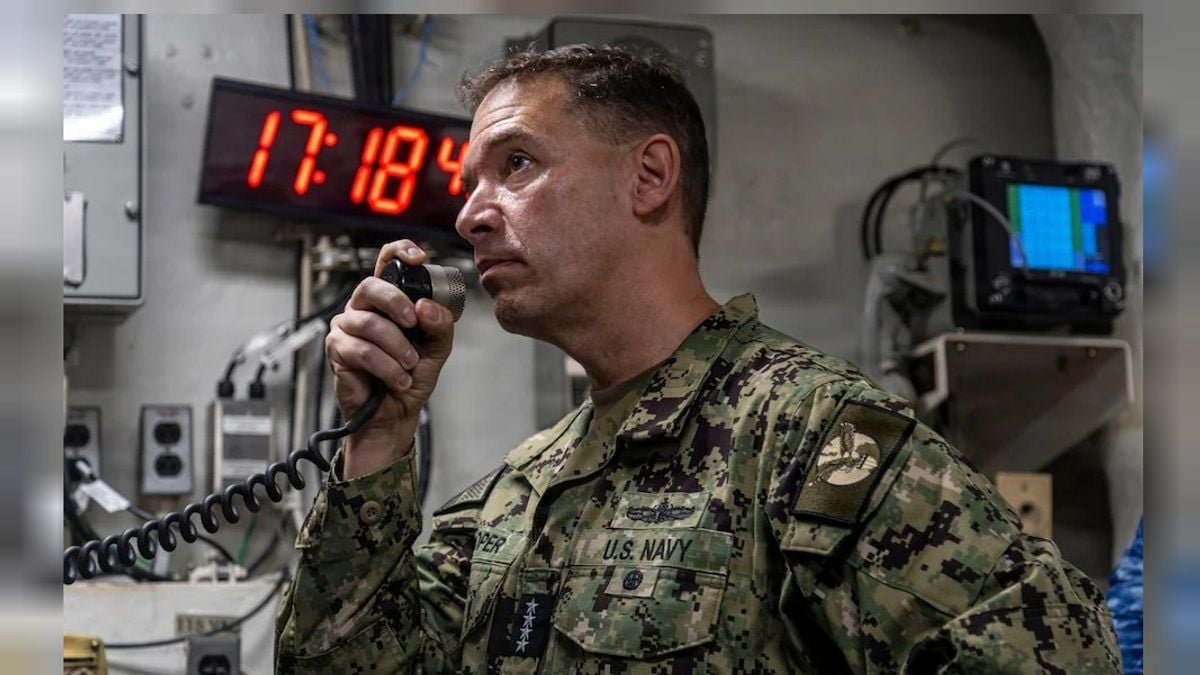
The US is preparing a 10–14 day military campaign targeting Iran’s missile capabilities, led by Admiral Brad Cooper, amid rising Middle East tensions.
Key Takeaways
AIThe United States is preparing a military campaign aimed at crippling Iran’s missile capabilities, following President Donald Trump’s vow to “teach it a harsh lesson.”
The UK’s Telegraph newspaper reported that Admiral Brad Cooper, commander of US Central Command (CENTCOM), has drawn up plans for a series of military strikes lasting between 10 and 14 days, with the goal of eliminating the ongoing threat from Tehran amid continued exchanges of attacks in the Middle East.
Overnight, US forces launched a wave of strikes targeting dozens of Islamic Revolutionary Guard Corps sites, including military command centers. CENTCOM described the strikes as a “strong response” to a surprise Iranian attack on US bases in Jordan. Iran’s official IRNA news agency reported three deaths on Qeshm Island in the Strait of Hormuz, and shelling in Khuzestan province, including the cities of Abadan, Shadegan, Arvandkenar, and Ahvaz.
The IRGC warned it would “punish the aggressor,” while Jordan announced it had intercepted five additional Iranian missiles on Thursday morning. The Wall Street Journal noted that the US military campaign is being coordinated by Admiral Cooper from CENTCOM headquarters in Tampa, Florida, despite warnings of a growing shortage of US air defense munitions.
General Dan Keane, chairman of the US Joint Chiefs of Staff, voiced concerns about the dwindling supply of Patriot interceptor missiles, with the US having used about two-thirds of its stockpile since the war began on February 28, dropping from 2,330 to around 759 missiles. The Center for Strategic and International Studies warned that a prolonged conflict would test US military readiness and affect its capabilities in other regions such as the western Pacific.
Critics have expressed fears that the new air campaign could further entangle Washington in the conflict and increase risks to US troops. A senior US administration official said Trump is in an “escalatory mood” but is still weighing the depth of the response. Cooper’s plan calls for a rapid escalation of the war, moving beyond limited retaliatory strikes to weaken Iran’s ability to launch attacks and reduce Washington’s reliance on air defense munitions.
Reports indicate Trump is “deeply frustrated” by disagreements among senior officials over war strategy, with NBC News saying the president erupted in anger during a national security meeting over the disputes. Axios reported that Israeli Prime Minister Benjamin Netanyahu and US Vice President JD Vance held a “frank” conversation at the White House amid tensions between the two sides.
Iran has demonstrated its missile capabilities in recent attacks, including a surprise strike on Jordan that killed three US soldiers. Saudi Arabia has publicly joined the conflict through a joint operation with the US targeting Iraqi militias, following attacks that Riyadh described as “Iran-backed terrorist militias” on its oil facilities. The US military said the strikes targeted logistical sites and weapons facilities belonging to the Popular Mobilization Forces, killing at least 20 fighters.
Although Iran denied responsibility for the Popular Mobilization Forces’ attacks on Saudi oil facilities, Iran’s Hamshahri newspaper reported that four IRGC advisers were killed in the strikes. Iraq condemned the US-Saudi strikes, reaffirming its rejection of all acts of aggression, and the Iraqi National Security Council announced its intention to confront any violation of the country’s sovereignty. Fox News reported that Trump confirmed the strikes were coordinated with the Iraqi government.
In a separate development, a US gas tanker and a Greek cargo ship were attacked by drones at Egypt’s Damietta port. The New York Times cited security sources as saying the drones may have been launched from Iran, demonstrating its ability to carry out long-range attacks in the region.