

Houthi escalation deepens Yemen’s humanitarian crisis with bombing, mines and mass displacement
Yemen’s humanitarian crisis worsens as Houthi attacks fuel deadly clashes, displacement, landmine risks and shortages of food, water and medical supplies.
Key Takeaways
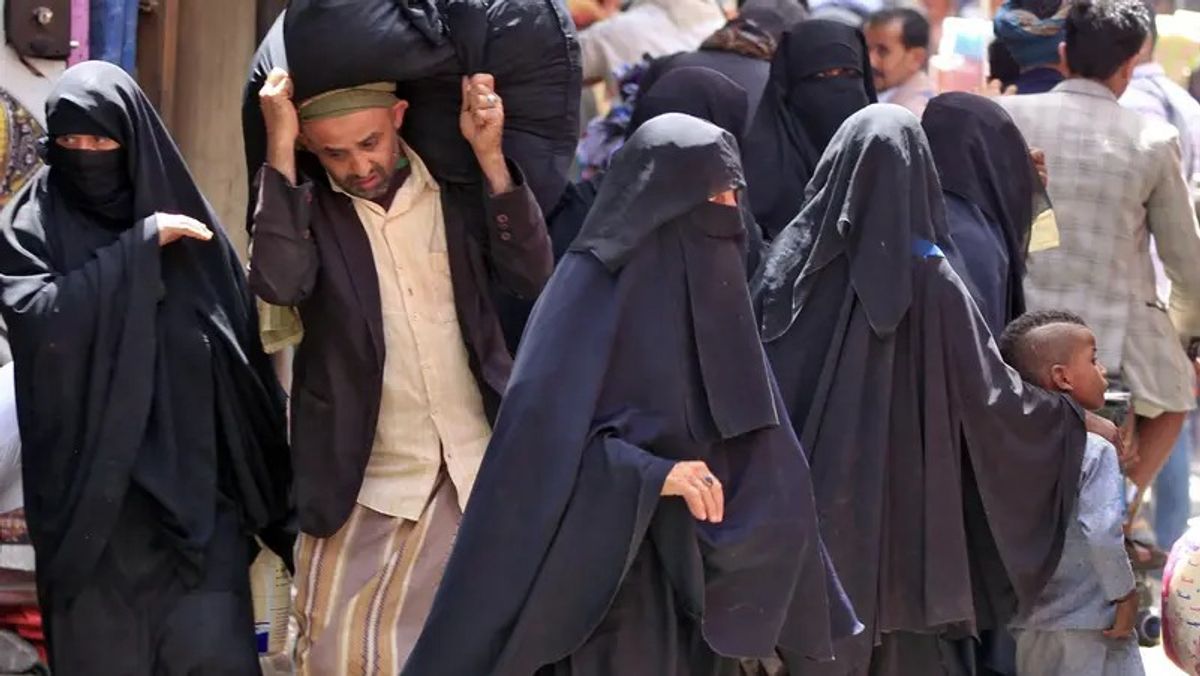
AIYemen’s humanitarian crisis is worsening amid escalating clashes linked to the Houthi militia, with rising displacement, mounting casualties, and civilians facing the dangers of landmines, unexploded ordnance, deteriorating healthcare, and shortages of food, water and essential supplies.
According to World Health Organization data, the recent military escalation resulted in 13,343 casualties—including 2,361 deaths and 10,982 injuries—between August 6 and November 23, 2026, highlighting the heavy toll of renewed fighting on civilians.
International organizations report that Houthi attacks, ongoing clashes, blocked supply routes, and landmine contamination in conflict zones have intensified suffering, forcing hundreds of thousands to flee their homes and making it increasingly difficult for humanitarian aid to reach affected areas.
Landmines: a persistent threat to civilians and the displaced
The threat posed by the Houthi militia now extends beyond attacks and clashes, as landmines and explosive devices endanger civilians along displacement routes and in areas where families seek safety. Many are forced to traverse unfamiliar terrain that may be contaminated with remnants of war.
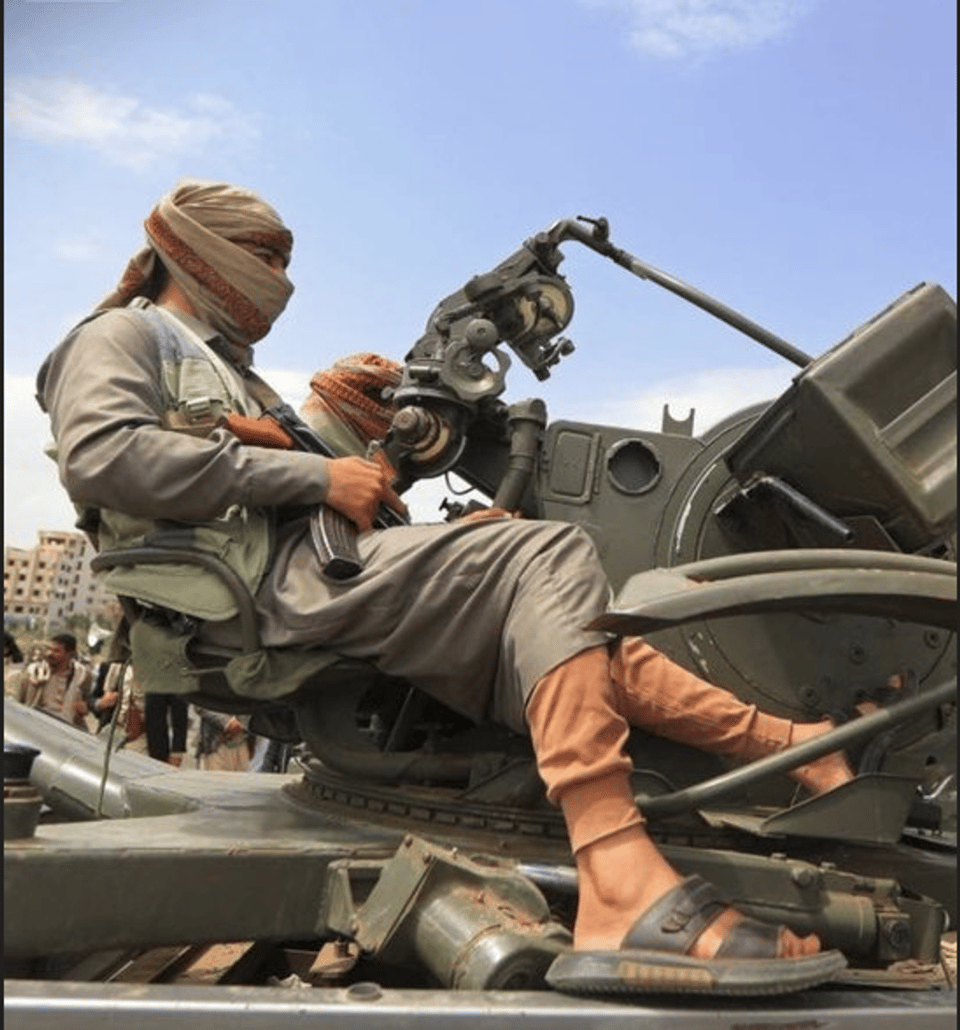
The international organization Halo Trust warned that mine and explosive casualties in Yemen rose to 98 killed or injured in October—over five times the monthly average recorded this year.
The organization explained that renewed fighting and displacement are pushing families to cross potentially contaminated areas, exposing civilians to death or permanent disability even after leaving conflict zones.
A previous Halo Trust report noted that intensified clashes and Houthi attacks around Taiz have increased the risks from landmines and unexploded ordnance, with reports of new mines being planted on main roads and humanitarian access routes, threatening civilian movement and aid delivery.
The organization added that more than half of those displaced since August were in Taiz, where fighting has cut off main roads and hindered access to food, medical care and water, amid fears that roads and passageways remain contaminated with explosives.
Taiz: road blockades worsen civilian suffering
Taiz stands out as one of the areas most affected by Houthi militia attacks, with ongoing clashes along frontlines and damaged supply and transport routes exacerbating food and water shortages and hampering humanitarian aid access.
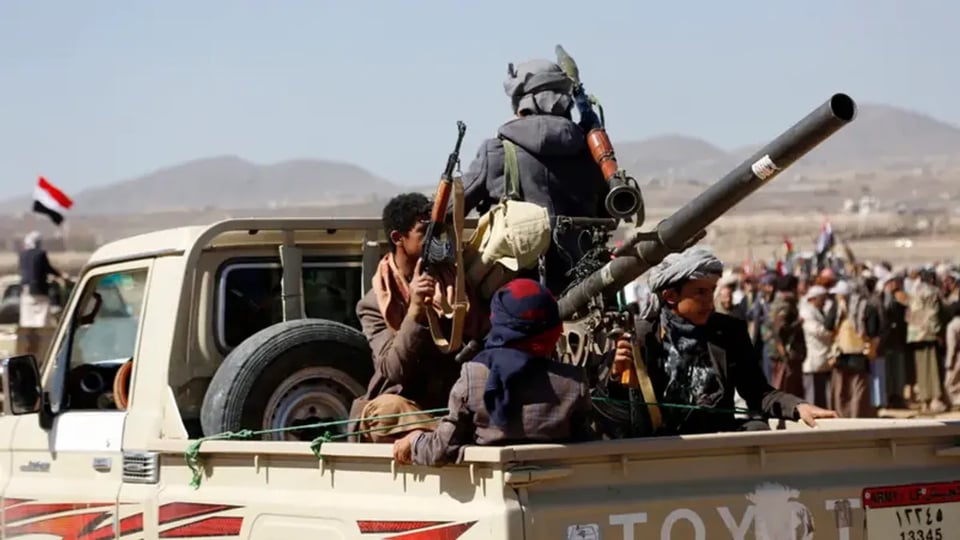
International organizations have warned that Houthi fighters have blocked key supply and transport routes around Taiz, isolating local communities and disrupting deliveries of food, fuel, water and medical supplies.
They noted that their staff in Taiz also face difficulties accessing basic needs, with declining supplies of food, diesel and water and rising prices, as clashes and road closures persist.
These conditions are increasing risks for civilians, especially children and displaced families, who face limited choices between staying in conflict zones or fleeing along routes that may be contaminated with mines and explosives.
Thousands of casualties and damage to the health sector
World Health Organization figures reveal the scale of human loss from the escalation, with 13,343 casualties—including 2,361 deaths and 10,982 injuries—recorded as of November 23.
The organization also reported damage to 39 health facilities and eight ambulances, as well as 15 health workers, according to the Health Emergency Operations Center. It noted that details of recent incidents had yet to be received and that figures had not been fully verified.
These damages add further pressure on hospitals and medical facilities, which already face shortages of medicines, medical supplies and fuel, amid rising numbers of wounded and difficulties delivering supplies to conflict areas.
In Taiz, the World Health Organization said that medical supplies for several hospitals and health centers are still awaiting transport arrangements, while another shipment sent from Aden on November 11 remains at a collection point pending clearance and delivery procedures.
The supplies include items for Khalifa and Al-Nashma hospitals and the diarrhea treatment center in Al-Muzaffar district, as well as for Al-Jumhuri and Al-Thawra hospitals, compounding the challenges of providing healthcare to civilians in affected areas.
Hundreds of thousands displaced by fighting
Waves of displacement continue as Houthi militia attacks and fighting escalate in western Yemen, with the International Organization for Migration recording hundreds of thousands displaced since the upsurge in violence.
According to the organization, the number of registered displaced people due to the conflict escalation in western Yemen exceeded 347,000 as of November 14, while the total number of registered displaced since the start of the year reached about 369,000.
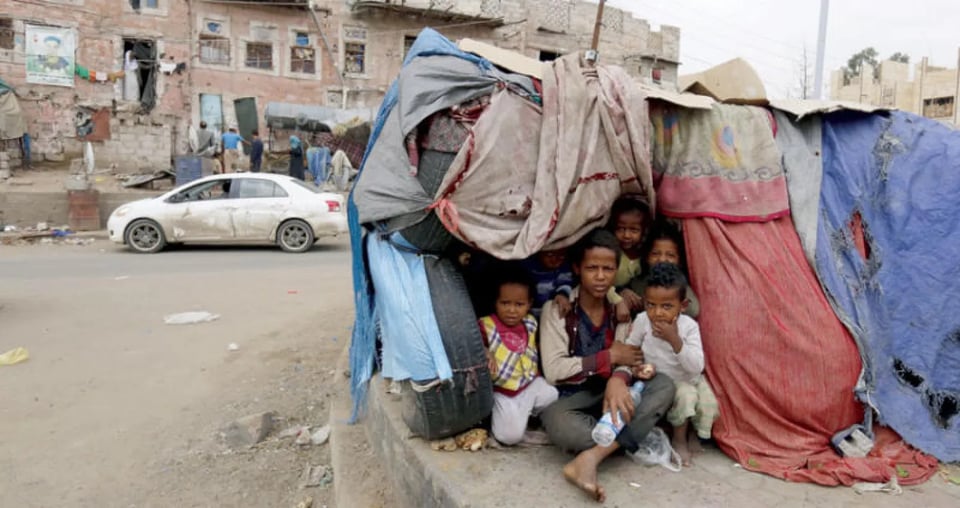
Large numbers of displaced people are concentrated in Taiz, Lahij and Aden, as families move in search of safety amid difficulties securing shelter, food, water and basic services.
Displacement not only means the loss of homes, but also disrupts livelihoods, breaks family ties, and increases living costs in host communities, which themselves suffer from limited resources and services.
The risks from landmines and explosives further compound the ordeal for fleeing families, who may be forced to cross unfamiliar and hazardous areas, making displacement itself a threat to civilian lives.
Hunger and malnutrition: Houthi escalation’s impact on families
Displacement and declining services come as Yemen faces a severe food crisis, with rising humanitarian needs and families increasingly unable to meet daily requirements amid ongoing clashes and disrupted supply routes in areas affected by Houthi militia attacks.
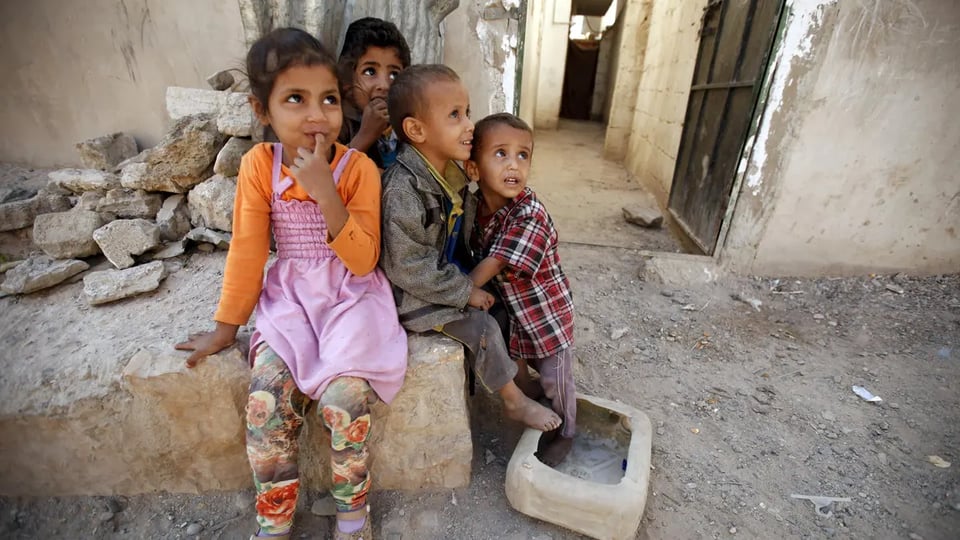
According to United Nations data, about 22.3 million people in Yemen need humanitarian assistance, while 18.3 million face food insecurity, including 5.1 million at emergency levels of hunger.
Some 2.2 million children under five suffer from acute malnutrition, with nearly 500,000 experiencing severe acute malnutrition.
Ongoing clashes, road blockages and disrupted supply chains make it even harder for families to access food, clean water, fuel and medicines, and increase the risk of disease outbreaks in overcrowded displacement areas with poor sanitation and healthcare.
The most vulnerable groups—especially children, women, the elderly and the sick—are at heightened risk, particularly as aid remains limited and families struggle to afford treatment and basic needs.
Houthi militia deepens Yemen’s humanitarian crisis
Humanitarian indicators reveal the widening impact of the escalation led by the Houthi militia, from casualties and displacement to landmine contamination, disrupted medical and food supplies, and deteriorating basic services.

As civilians flee conflict zones seeking safety, they face the threat of explosives along displacement routes, hospitals struggle with shortages, and families endure hunger, soaring prices and lost livelihoods.
International organizations report that continued Houthi attacks, fighting, road closures and landmine risks are compounding civilian suffering, hindering humanitarian aid, and increasing the vulnerability of communities—especially in Taiz and other areas experiencing military escalation and mass displacement.
These figures underscore the immense humanitarian cost borne by Yemenis as the Houthi militia’s escalation continues. Civilians now face not only bombardment and clashes, but also landmines, hunger and displacement, in a crisis whose repercussions grow daily and threaten the lives of millions and the future of generations to come.