

Gulf oil flows surpass pre-war levels despite Iranian attacks
Middle East oil shipments have exceeded pre-Iran war levels as US-protected shipping and alternative routes help tankers navigate the Strait of Hormuz.
Key Takeaways
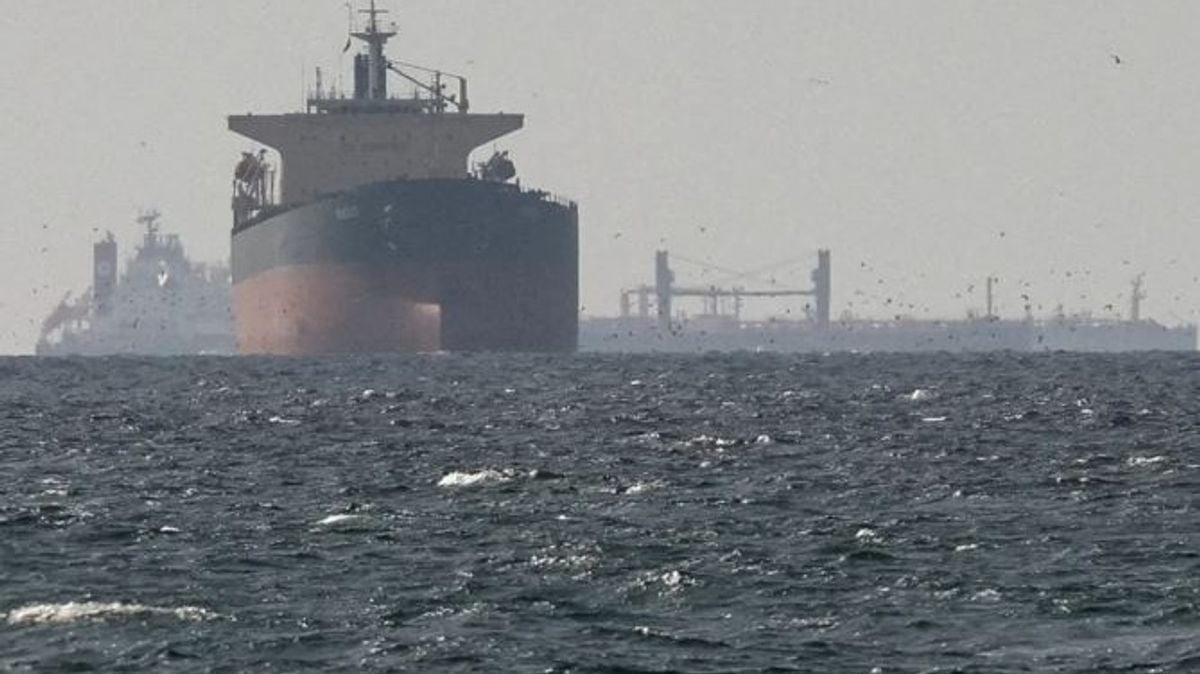
AIOil flows from the Middle East have surpassed levels recorded before the Iran war, as makeshift shipping arrangements under US protection have enabled tankers to cross the Strait of Hormuz despite ongoing Iranian attacks on vessels.
According to The Wall Street Journal, alternative routes—including Saudi and Emirati pipelines—have helped restore oil flows, but heightened risks have increased transport and insurance costs, keeping oil prices elevated amid fears of renewed conflict.
Data from ship-tracking firm Kpler shows that average oil flows from the Middle East, including shipments through Hormuz and alternative routes, exceeded 24 million barrels per day in the week ending October 18, surpassing the pre-war level of 23.3 million barrels per day.
Flows through the strait, including ship-to-ship transfers in the Gulf of Oman, reached about 14 million barrels per day—82% of pre-war levels. With global inventories declining, markets are less able to absorb new shocks, and higher shipping costs are ultimately passed on to consumers.
The newspaper noted that Iran's ability to deter ships from crossing the strait has diminished, weakening its leverage against the US. Hamad Hussein, a commodities economist at Capital Economics, said oil shipping mechanisms through Hormuz have become more established despite risks, and exporters are more willing to accept those risks.
Pipelines in Saudi Arabia and the UAE allow oil to bypass Hormuz, and Kpler estimated that about 40% of non-Iranian crude exports from the Gulf in September used routes avoiding the strait, up from around 17% before the war.
In contrast, Iranian oil exports face restrictions due to the US maritime blockade, and there is a risk that Tehran could escalate attacks to regain influence, potentially drawing the US into a new confrontation ahead of the midterm congressional elections in two weeks.
The Wall Street Journal reported that around 30 attacks on vessels were recorded in October, citing data from the UK Maritime Trade Operations center and maritime security firms.
Christopher Long, a former British navy officer now with Neptune P2P Group, a maritime security and risk management firm, said Iran is attempting to reimpose its blockade on the strait.
For oil traders and shipowners, high profits make the risks worthwhile. Homayoun Falakshahi, head of crude oil analysis at Kpler, estimated that reselling Iraqi oil can yield an extra $20 per barrel over pre-war levels—about $40 million per cargo on a supertanker. Three such voyages could cover the cost of a used tanker, which is around $100 million.
Sailors are also being offered bonuses of two to three times their usual monthly pay for working on ships crossing the Gulf. The Wall Street Journal reported that a Chinese crewing agency offered up to $25,000 for a round trip that typically takes one to two weeks.
Falakshahi said shipping volumes remain high despite increased attacks because profits justify the risk. Shipping brokers also report that older tankers, previously used for Venezuelan and Russian oil, are being redirected to the Gulf to capitalize on soaring charter rates.