

Libyan teachers’ strike shuts thousands of schools, threatens academic year
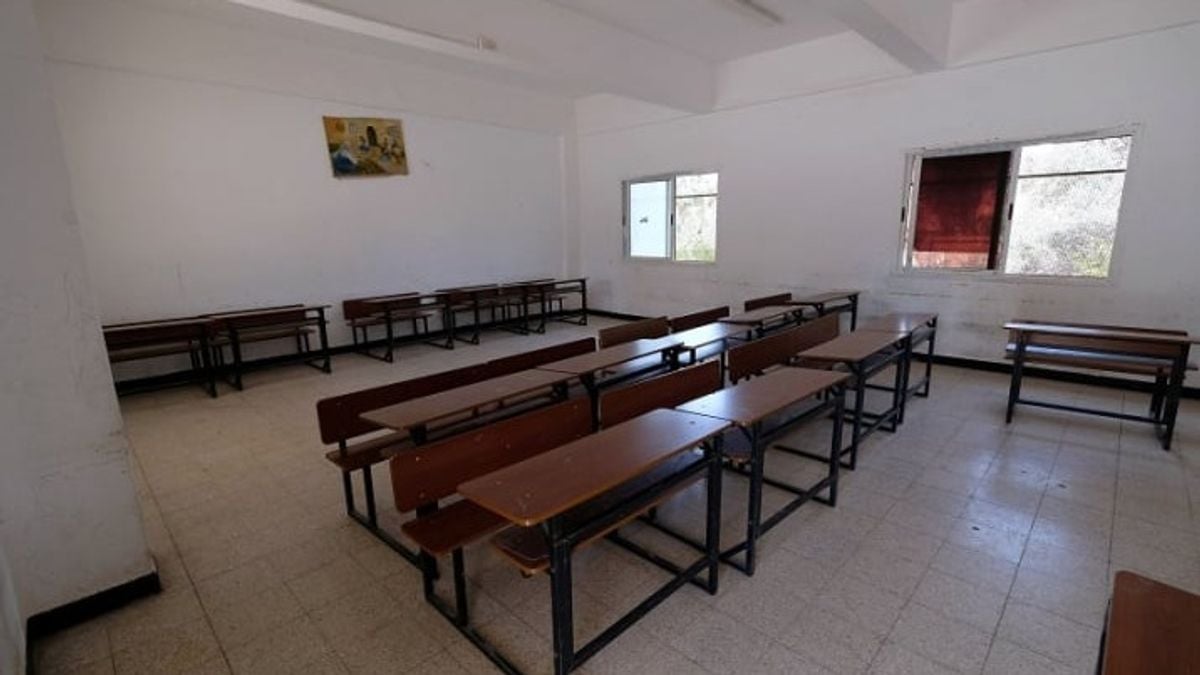
Thousands of Libyan schools remain closed three weeks into a teachers’ strike over pay and working conditions, raising fears for the academic year.
Key Takeaways
AIThousands of schools across Libya remain closed three weeks after the scheduled start of the academic year, as a teachers’ strike prevents students from returning to classrooms and threatens to disrupt the country’s education system.
Teachers’ unions insist the strike will continue until their demands for better pay, improved working conditions, and upgraded school infrastructure are met, while the government is pushing to reopen schools and save the academic year.
Waseem Kleish, spokesperson for the teachers’ movement, told Al Arabiya Net that authorities have yet to respond to any of the teachers’ or unions’ demands, stressing that the strike will continue until their requests are addressed.
Kleish said there is no set date for suspending the strike and resuming classes, adding that this will not happen until the demands—described as legitimate and achievable if relevant parties cooperate—are met. He expressed hope that authorities would act to resolve the crisis and allow studies to resume.
For her part, Zahraa Al-Abdullah, a teacher in Sabratha, said educators are unhappy about the school closures and the disruption to students’ return, emphasizing the need to return to schools that provide quality education and dignified working conditions for teachers.
In an attempt to break the deadlock, Minister of Education Mohammed Al-Qareou called on education supervisors to reopen schools and welcome students, affirming that the ministry is monitoring teachers’ demands and that the government is making serious efforts to address them.
The ongoing strike comes amid mounting pressure on the Government of National Unity from other sectors also demanding higher wages and justice, presenting significant challenges for the administration.
Meanwhile, the Libyan Audit Bureau has voiced growing concerns over the country’s financial stability due to rising public sector spending, urging Prime Minister Abdulhamid Dbeibeh to intervene immediately to regulate the workforce and adopt a unified salary scale to ensure social justice and curb financial waste.