

Jurf al-Sakhar dispute sparks rift among Iraqi leaders
Iraqi Prime Minister Ali Al-Zaidi walked out of a key meeting after sharp disagreements over plans to regain control of Jurf al-Sakhar amid oil smuggling allegations.
Key Takeaways
AIIraqi Prime Minister Ali Al-Zaidi left a meeting of Coordination Framework leaders following heated disputes over upcoming government measures to restore control of Jurf al-Sakhar in Babil province. The row was triggered by oil smuggling allegations and accusations that Kataib Hezbollah was behind the operations, with coalition leaders divided over whether to pursue military action or continue dialogue.
Sources cited by Al Arabiya and Al Hadath said the meeting, held at the home of senior figure Humam Hammoudi, included a review by Al-Zaidi of an investigative committee report confirming oil smuggling in the area involving Kataib Hezbollah.
The prime minister insisted on pressing ahead with legal and military steps to impose security and reassert state authority in Jurf al-Sakhar, stressing there would be no retreat from these actions.
In contrast, some Coordination Framework leaders called for continued dialogue with relevant parties and for avoiding military confrontation—a position backed by Badr Organization chief Hadi Al-Amiri and Kataib Sayyid al-Shuhada leader Abu Alaa Al-Walaie. However, Al-Zaidi stood firm, prompting Al-Amiri to leave the meeting amid the disagreements, followed later by the prime minister. According to Al Arabiya, most coalition leaders supported the government’s measures despite objections to how they would be implemented.
The Coordination Framework’s post-meeting statement did not mention Jurf al-Sakhar or the disputes over government actions, instead referring only to discussions on political, economic, and security developments in Iraq and the region, as well as the general budget and ways to enhance economic stability.
The statement also noted the reception of a delegation from Sulaymaniyah province, including President Nizar Amidi, Patriotic Union of Kurdistan leader Bafel Talabani, and New Generation Party head Shaswar Abdulwahid, to exchange views on national issues and reaffirm ongoing dialogue and mutual understanding.
Meanwhile, the media office director for State of Law Coalition leader Nouri Al-Maliki called for resolving the oil smuggling crisis through dialogue and understanding, rejecting any smuggling or manipulation and demanding legal accountability for anyone proven involved.
He warned against the crisis escalating into armed conflict, stressing that both sides are “brothers” and that protecting oil wealth is a shared national responsibility.
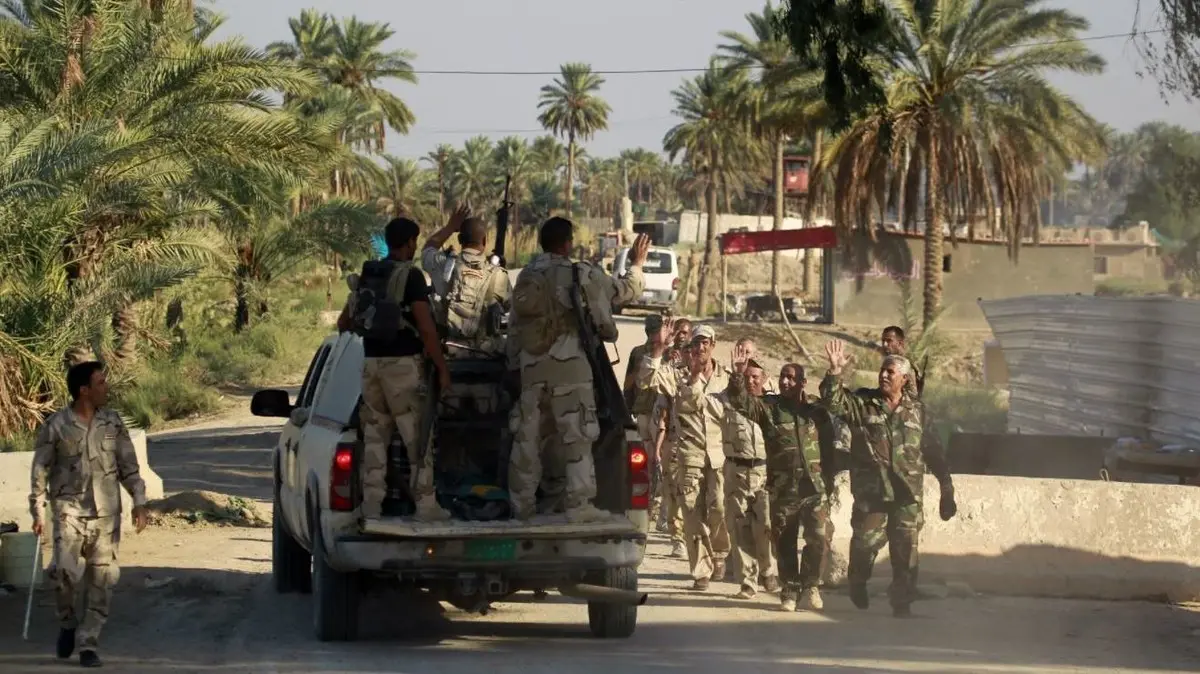
These disputes come as the government moves to reorganize security in Jurf al-Sakhar, with a plan that includes redeploying army and federal police units around the area, tightening controls at entry and exit points, preventing smuggling, and pressuring armed factions to withdraw.
The plan targets three main entrances: Tahrir checkpoint from the direction of Al-Musayyib, the Karbala entrance via Al-Hur toward Bahbahan, and the Fadhiliya bridge from Al-Yusufiyah, with a later phase involving government security forces entering the area.
Recent developments highlight the depth of division within the Coordination Framework over handling the influence of armed factions in Jurf al-Sakhar, as the government insists on implementing its security measures while some coalition leaders urge avoiding military confrontation.
Political circles are now watching Al-Zaidi’s next moves and whether he can carry out the government’s plan amid these divisions.