

Iran faces record currency plunge and public anger as austerity deepens
The Iranian rial has hit a record low near 3 million to the dollar amid soaring inflation, austerity measures, and growing public discontent ahead of winter.
Key Takeaways
AIThe Iranian rial has fallen to a record low, trading at nearly 3 million to the dollar, as the country grapples with a severe inflation crisis. According to CNN, consumer prices in Iran rose by 88.7% year-on-year in October, with food and beverage prices surging by 112.6%. The average annual inflation rate reached 76.8%.
This currency drop coincided with tighter US sanctions, a maritime blockade, and the ongoing war, further straining Iran’s economy. Many Iranians have rushed to buy dollars, foreign currencies, and gold to protect their savings. Indirect talks between Iran and the United States have stalled, with both sides insisting on preconditions. Iranian officials have hinted at plans to break the US maritime blockade, while US President Donald Trump threatened a strong response if Iran proceeds.
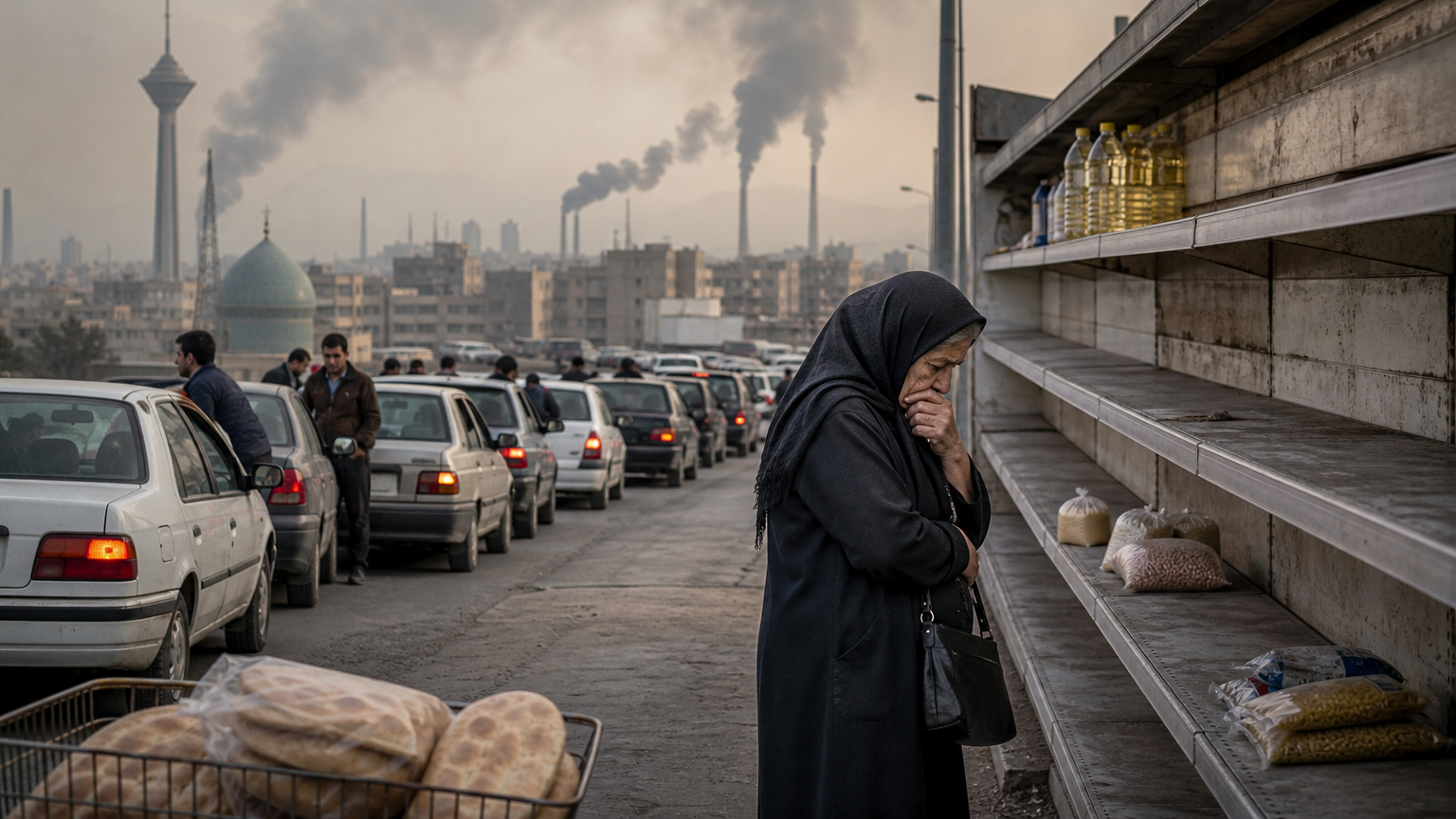
The Iranian government has imposed austerity measures, including cuts to bread and gasoline subsidies and the introduction of electricity rationing, as the economic crisis worsens under US sanctions. President Masoud Beyzeshkian, in a national address, warned that the country will face "difficulties this winter," noting that power outages could last up to two hours a day, with possible extensions as temperatures drop. Other measures include reduced subsidies, restricted access to aid programs, and the cancellation of planned wage increases.
This month, authorities introduced new limits on subsidized bread purchases in three provinces and removed millions from a government food voucher program launched in January after protests over rising living costs. The austerity steps have sparked widespread public opposition, with Iranians saying the measures are worsening economic hardship and anxiety as winter approaches. The rial now stands at 2.9 million to the dollar, compared to 32,000 to the dollar when the nuclear deal was signed in 2015.
A 40-year-old language teacher from Tehran described the power cuts as "infuriating," saying her family has had to adapt after her husband lost his job and their purchasing power eroded. Speaking to The Washington Post, she said people are "exhausted," and she no longer stockpiles supplies as she did at the start of the war, adding: "If the electricity and gas go out, we can simply use the car for heating."
According to economist Hadi Kahalzadeh of Brandeis University, Iran is facing economic pressures "greater than at any time in recent decades." US sanctions and infrastructure damage could shrink the economy by 4 to 6% this year, though some sectors remain resilient. Kahalzadeh noted that sanctions alone are unlikely to cause total economic collapse, as Iran, with a population of over 90 million, can still collect taxes and maintain some overland exports.
Meanwhile, a musician from Tehran who took part in previous protests said public discontent is now higher than before and expects more demonstrations as conditions worsen. Local media have reported widespread hardship, and lawmakers have publicly criticized austerity measures. MP Ahmad Beijdeli criticized the government’s failure to address workers’ wages, while activist Somayeh Jolbour described the situation as "structural injustice" and a betrayal of public trust. Shams al-Din Hosseini, head of the parliamentary economic committee, warned of possible fuel and heating shortages this winter due to damage to energy infrastructure.