

US signs deals with Boeing, RTX to boost interceptor missile production
The Pentagon has signed two framework agreements with Boeing and RTX to accelerate production of key interceptor missile components amid the Iran conflict.
Key Takeaways
AIAs part of efforts to strengthen its production capacity for munitions and missile defense systems amid the ongoing war with Iran, the US Department of Defense has signed two framework agreements with Boeing and RTX to increase output of key interceptor missile components.
In a statement released today, the department said the agreements aim to ramp up production of core components for the Standard Missile-3 Block IB (SM-3 IB) and to boost output of parts for the Standard Missile-3 Block IIA (SM-3 IIA). Both missiles are integral to the Aegis Ballistic Missile Defense System and are among the most prominent ship-launched interceptors used by the US Navy in its maritime missile defense network.
Michael P. Duffy, Under Secretary of Defense for Acquisition and Sustainment, said these agreements ensure that US troops receive the munitions needed for victory. He noted that the department is working to stabilize its supply chains, expand munitions production, and prepare the entire defense industrial base for wartime readiness.
The Pentagon stated that its strategy to transform acquisition operations enabled the signing of these agreements, helping to streamline bureaucratic procedures and allowing the department to engage suppliers at all levels of the industrial base.
According to Al Arabiya, this move comes as the US Department of Defense increases pressure on defense contractors to accelerate weapons and ammunition production, following reports of declining stockpiles of key weapons and defense systems used by US forces during the conflict with Iran.
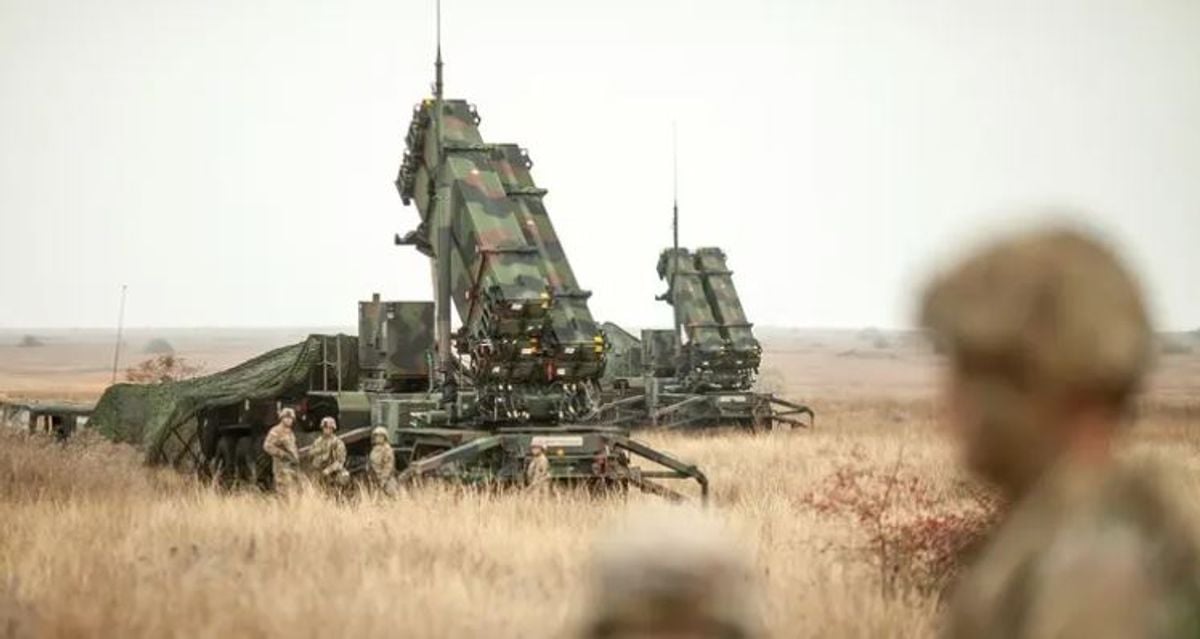
In recent months, the department has signed several framework agreements with major and emerging defense firms, focusing on increasing supplies of low-cost munitions and advanced weaponry, especially air and missile defense systems, including THAAD and Patriot interceptor missiles.
Efforts to speed up production have gained particular importance given the volume of munitions used by Washington during the war with Iran. According to estimates cited by The Washington Post, US forces launched more than 850 Tomahawk cruise missiles and over 1,000 interceptor missiles from the Patriot and THAAD systems in the first month of the conflict, in addition to deploying more than 1,300 tactical ballistic missiles in the initial weeks of fighting.