

US-Iran conflict: Is the war nearing its end or heading for a new phase?
Uncertainty surrounds the future of the US-Iran conflict as American officials signal reduced military action, while Tehran insists on its conditions for peace.
Key Takeaways
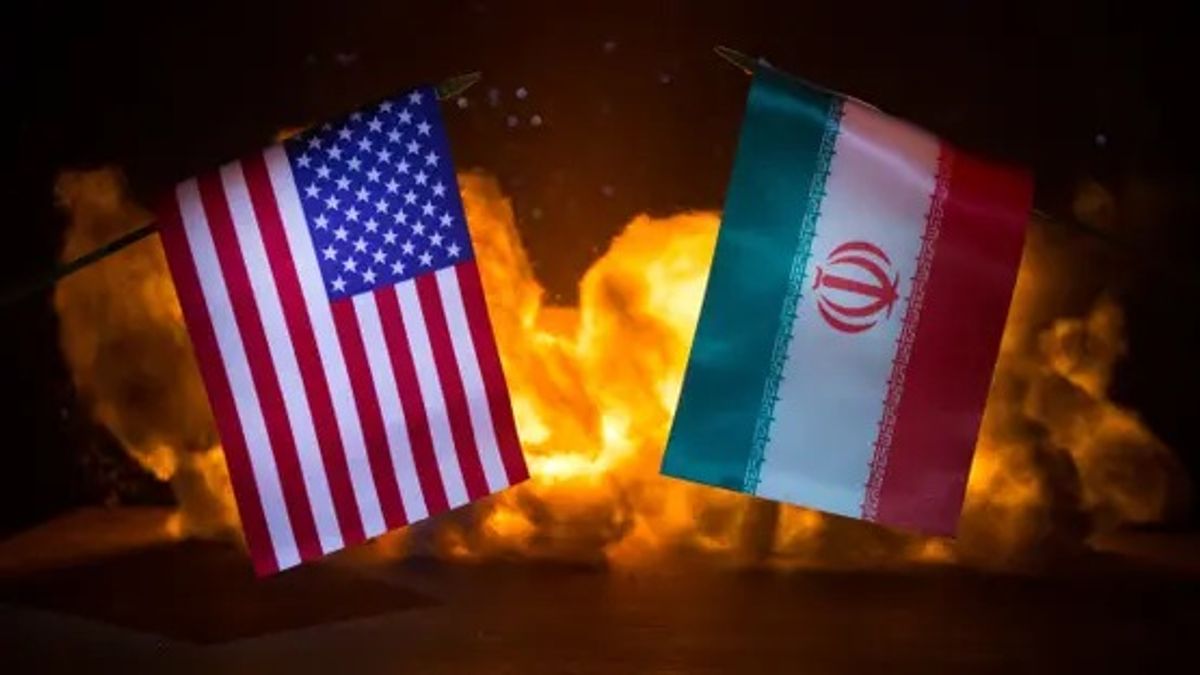
AIQuestions are mounting over the future of the US-Iran conflict, as signals diverge between US statements suggesting less need for military operations and diplomatic moves led by regional and international actors, while Tehran remains firm on its conditions for ending the conflict and denies any direct negotiations with Washington.
While US President Donald Trump claims the war is effectively over militarily, Iranian officials insist a settlement depends on meeting Tehran's demands—chiefly lifting sanctions, ending the maritime blockade, and halting military operations—leaving the door open for either de-escalation or renewed tensions.
Trump: The war is militarily over
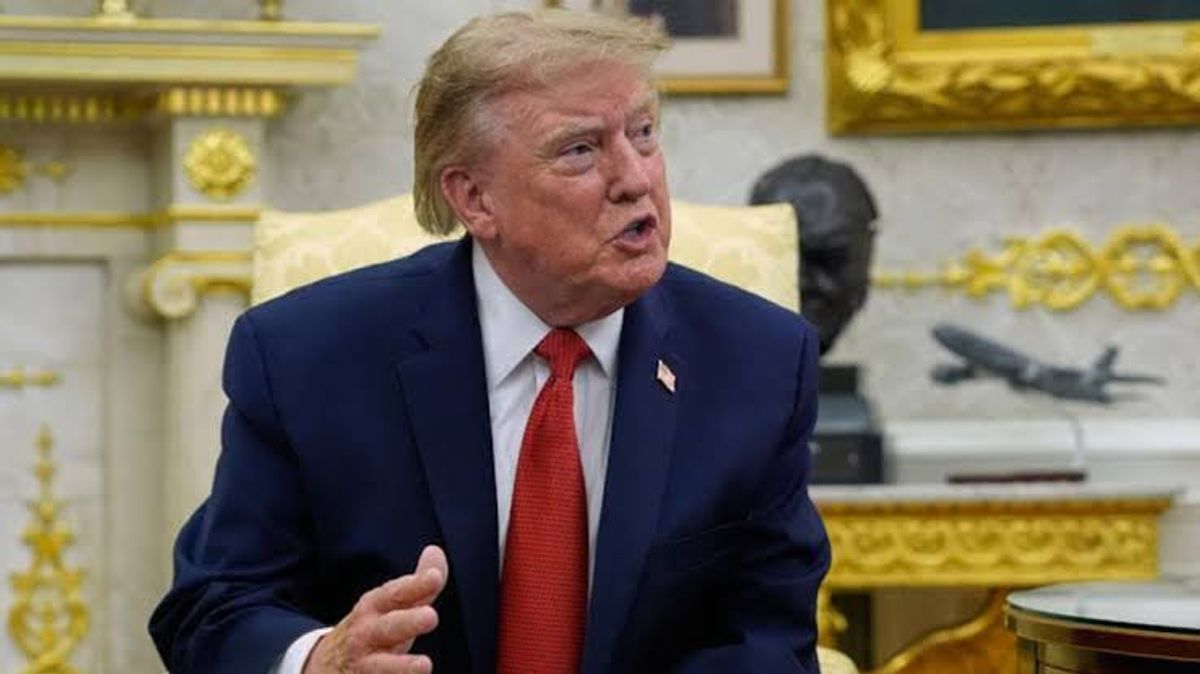
President Donald Trump raised questions about the future of the standoff with Iran after declaring the war effectively over from a military standpoint, following his meeting with Qatari Prime Minister Sheikh Mohammed bin Abdulrahman Al Thani at the White House, according to the Associated Press.
Trump stated that Iran is effectively finished militarily and that the United States is maintaining the status quo, noting positive momentum toward ending the war.
He added that military action no longer seems necessary at present, while affirming that US forces remain ready to act if circumstances change.
At the same time, Trump stressed the need for a long-term solution to prevent Iran from acquiring nuclear weapons, reiterating that Washington is still prepared to take military action if required.
Rubio: No need for military strikes
Signaling a US preference for continued economic pressure over renewed large-scale military operations, US Senator Marco Rubio said that economic sanctions and the maritime blockade are achieving their objectives, and that the US does not currently need to launch major strikes against Iran.
Speaking to reporters in Paris after G7 foreign ministers' meetings, Rubio explained that the administration is achieving its goals through economic means and pressure on Tehran, and that there is no need for military strikes as long as sanctions and economic pressure suffice, according to Reuters.
He added that the pressure on Iran is exceptional and increasing daily, but stressed that US forces remain ready to act if Tehran crosses Washington's red lines.
Iran denies negotiations
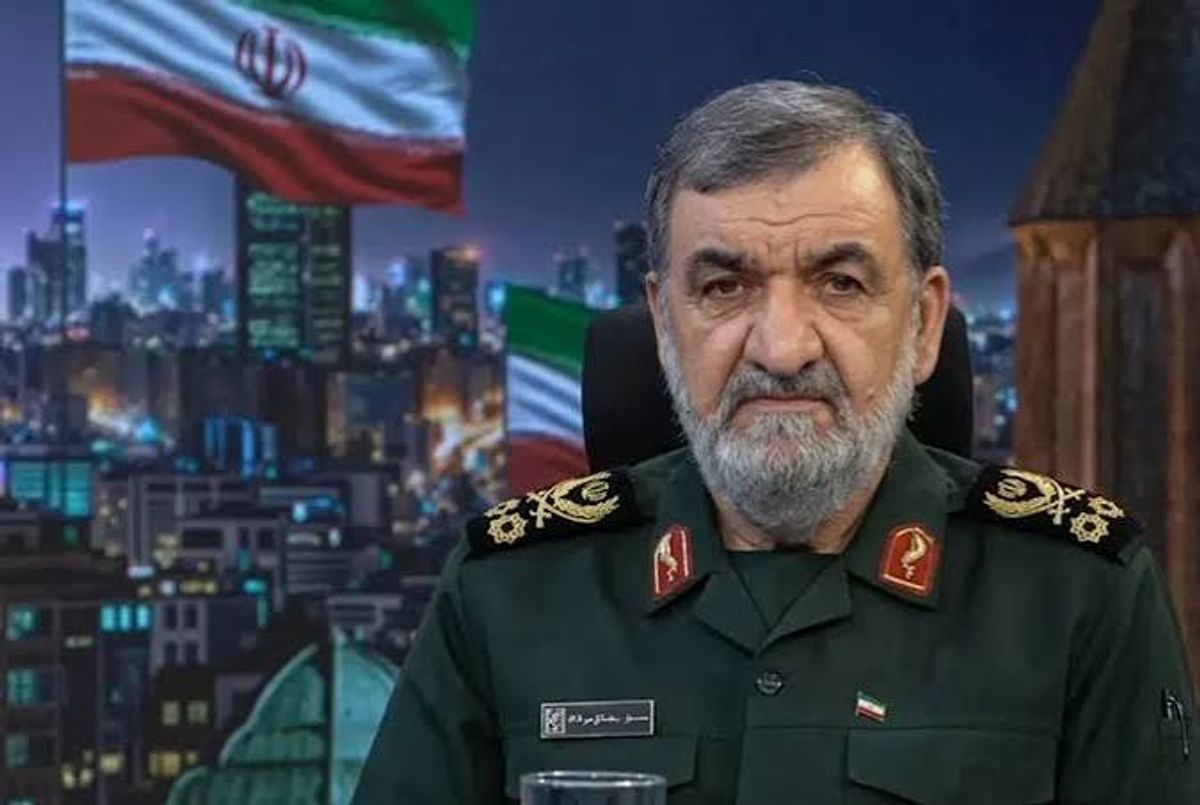
On the other side, Iranian statements reflect ongoing disagreements, with Iranian security official Mohsen Rezaei denying any ongoing negotiations with the US or plans for a meeting in Qatar.
Rezaei told Lebanon's Al Mayadeen TV that talk of ongoing negotiations or a meeting in Qatar is unfounded, stressing that Tehran awaits a clear and explicit US response to its conditions for ending the war, according to Reuters.
He added that the initial US response to Iran's demands was insufficient, emphasizing that the Strait of Hormuz will not reopen until Iran's conditions are met.
Iranian officials' demands include lifting US sanctions, ending the maritime blockade of Iranian ports, halting military operations on all fronts, and releasing frozen Iranian assets.
Araghchi: Diplomacy is the way to end the war
Iranian Foreign Minister Abbas Araghchi stated that ending the war cannot be achieved through military operations or tougher sanctions, urging the US to prioritize a diplomatic solution and address Iran's demands.
Araghchi said the conflict with Iran cannot be resolved by military means or increased sanctions, and that the solution lies in mutual respect and diplomatic engagement, according to Iran's official news agency IRNA.
He added that Tehran maintains its stance on the Strait of Hormuz, and any agreement to reopen it depends on a settlement that meets its demands.
Regional and international moves to prevent renewed clashes
Meanwhile, regional and international efforts continue to bridge the gap between Washington and Tehran, aiming to contain the crisis and prevent renewed military confrontation. In this context, Qatari Prime Minister and Foreign Minister Sheikh Mohammed bin Abdulrahman Al Thani met with President Trump at the White House to discuss the crisis and de-escalation efforts.
These moves come amid growing concerns over the war's impact on regional security and the global economy, especially as tensions over Iran's nuclear file intensify.
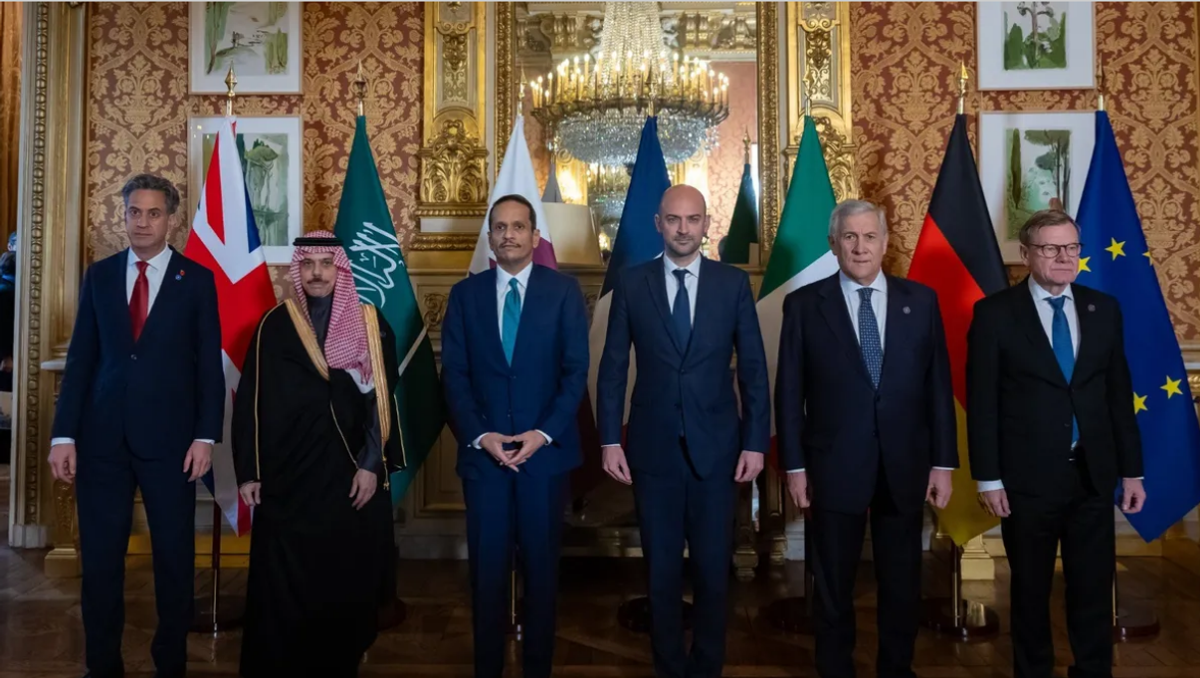
In Europe, Paris hosted diplomatic consultations attended by European officials and Saudi Foreign Minister Prince Faisal bin Farhan to discuss the crisis and ways to support diplomatic efforts.
Prince Faisal bin Farhan joined a meeting with the foreign ministers of Qatar, France, Germany, the UK, and Italy, where participants discussed supporting mediation efforts, reducing tensions, containing regional crises, and working toward a diplomatic solution to the Iran crisis.
The Qatari Foreign Ministry confirmed in a statement that mediation efforts to bridge differences continue, noting that the Qatari prime minister's meeting with President Trump was positive and focused on narrowing disagreements.
These moves reflect growing regional and international activity to contain the conflict and prevent its expansion, especially amid ongoing disputes over Iran's nuclear program, the Strait of Hormuz, and US sanctions on Tehran.
Strait of Hormuz: The main sticking point
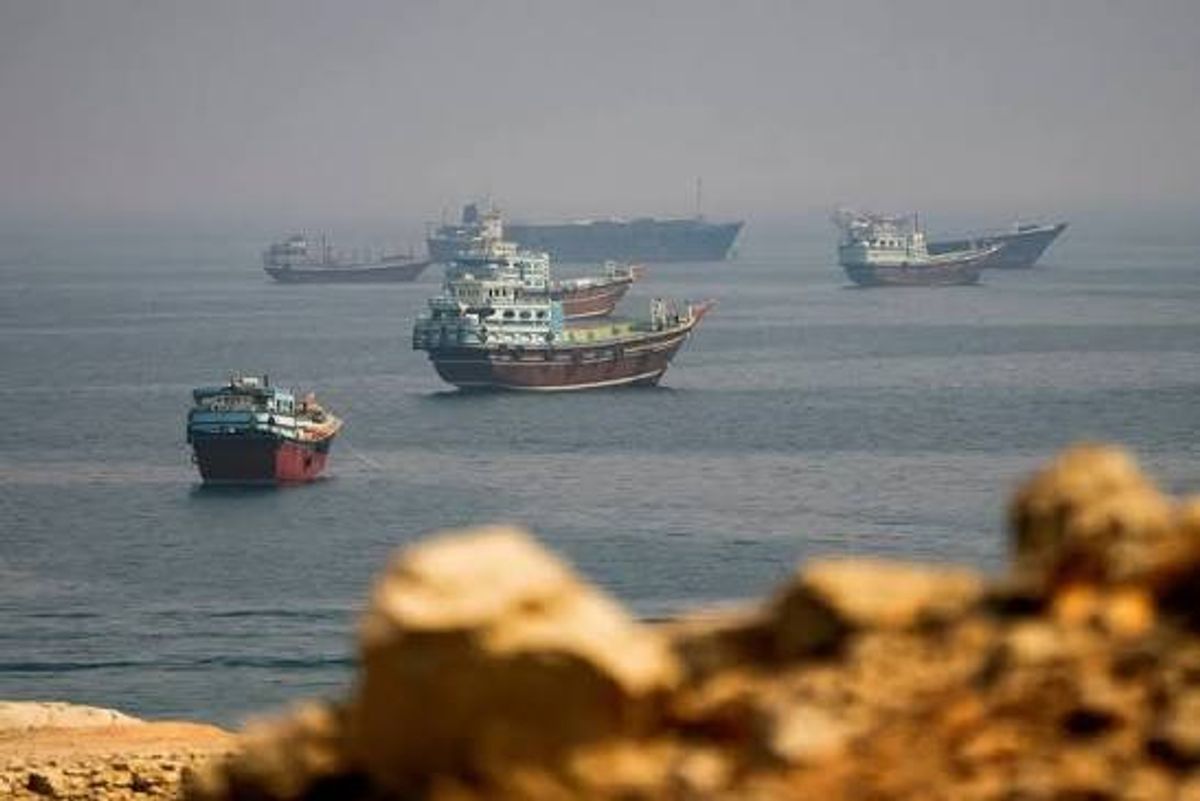
The Strait of Hormuz remains one of the main obstacles to a settlement, with ongoing maritime tensions and threats to shipping and oil tankers.
Tehran insists it will not reopen the strait under normal conditions until its demands are met, while Washington maintains the maritime blockade and economic pressure, insisting that the nuclear issue be included in any potential agreement.
Ongoing maritime tensions mean that any agreement to end the war depends not only on political understandings but also on ensuring the security of international navigation and the resumption of trade and energy flows, as the strait is one of the world's most strategic oil and gas routes.
Continued restrictions on shipping also raise the risk of further disruption to global energy markets and increase pressure on oil and gas importing countries.
Europe warns of renewed escalation
On the European front, French Foreign Minister Jean-Noël Barrot warned that the risk of renewed strikes and escalation between the US and Iran cannot be ruled out, noting that the crisis was a key topic at the G7 meetings in Paris, according to Agence France-Presse.
The British foreign minister called for intensified diplomatic efforts to end the conflict, warning that the ongoing state of limbo between war and peace is causing economic and security harm to the region and the world, according to the same agency.
These European positions reflect concerns that the current calm could turn into a prolonged period of instability without a permanent agreement to end hostilities.

Democratic control of Congress: Will it limit Trump's options?
Separately, the results of the US midterm elections held on November 3, 2026, have introduced a new political dynamic that could affect the future of the war with Iran, as the Democratic Party secured control of both the House and Senate for the first time during Trump's current term.
According to the Associated Press, Democrats clinched the Senate on election night, with their House majority confirmed early the next day. Reuters reported that the war with Iran and rising living costs were key factors behind the Democrats' sweeping electoral gains.
Democrats are set to assume control of both chambers with the new Congress in January 2027, putting the Trump administration in a new political reality with a legislative majority that could use its oversight and budgetary powers to pressure the White House over the war.
This shift could lead to investigations and hearings on administration decisions related to the war, requiring officials to clarify military objectives, operational costs, and outcomes, as well as legislative efforts to limit military spending or restrict funding for operations against Iran.
Democratic control of the Senate also gives the party greater influence over administration appointments, potentially delaying or blocking some of Trump's nominees for government and diplomatic posts, adding further complications to foreign policy moves.
However, Democratic control does not mean they can unilaterally end the war, as Trump retains executive and military powers, including the presidential veto, which can only be overridden by a two-thirds majority in both chambers.
Thus, Democratic control of Congress may increase political pressure on Trump and limit his ability to pursue war policies without congressional confrontation, especially as party leaders vow to use their new majority to hold the administration accountable, according to Reuters.
This development adds another layer of domestic pressure to the Iran conflict, as Trump may have to balance political realities in Washington with military and diplomatic calculations, potentially affecting decisions on continuing operations or moving toward a political settlement, though this does not guarantee an immediate end to hostilities.
Three scenarios for the future of the war
In light of recent statements, diplomatic moves, and political shifts in the US, three main scenarios emerge for the future of the US-Iran conflict: reaching a political agreement, continued de-escalation without a final settlement, or a return to military confrontation.
A political agreement to end the war: Mediation and regional and international efforts could bring Washington and Tehran closer, leading to understandings on the Strait of Hormuz, the maritime blockade, sanctions, and the nuclear program, paving the way for an official end to the war, especially as political and economic pressure on the Trump administration mounts.
Continued de-escalation without a final agreement: Both sides may avoid a return to full-scale war, maintaining the maritime blockade, economic pressure, and military threats, resulting in a prolonged phase of political and economic confrontation without resolving key issues, amid ongoing divisions in Washington over war management.
The final scenario is renewed military confrontation if diplomatic efforts fail and tensions escalate further.