

Trump’s Iran policy and Nvidia row cloud Vance, Rubio 2028 ambitions
A report by Axios reveals how Trump-era decisions on Iran and Nvidia are complicating the 2028 presidential prospects of JD Vance and Marco Rubio.
Key Takeaways
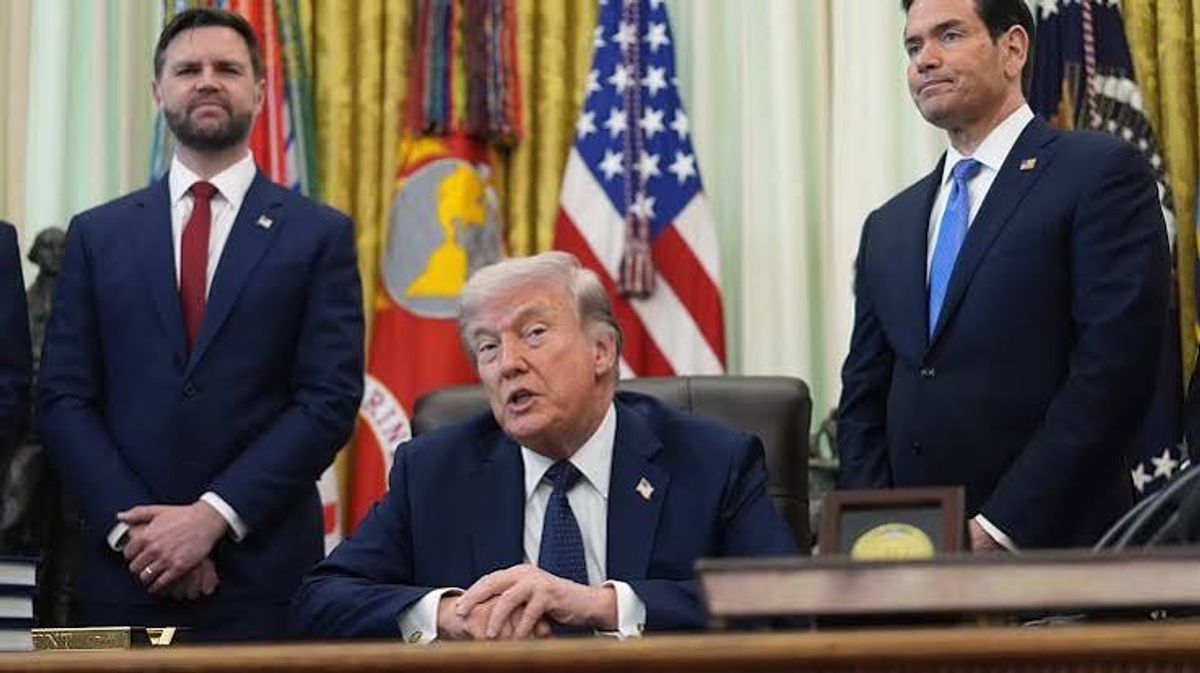
AIA report by Axios has revealed that disagreements between US Vice President JD Vance and Secretary of State Marco Rubio over decisions made by President Donald Trump—particularly regarding the war with Iran and the controversy involving Nvidia CEO Jensen Huang—are posing political challenges to both men’s potential bids to succeed Trump in the 2028 presidential election, despite being among the Republican Party’s leading contenders.
The dilemma facing Vance and Rubio stems from the fact that their positions on these issues conflict with key aspects of their political identities. Each now faces the consequences of Trump’s decisions, even when they had previously voiced objections or warnings.
The contrast between the two is especially apparent regarding the war with Iran. Vance opposed military intervention, reflecting his stance as part of a new generation of Republicans skeptical of foreign entanglements and the US’s ability to solve global crises, and diverging from the party’s traditional support for unconditional aid to Israel.
Vance’s opposition was not limited to the war itself; he also linked Republican losses in the midterm elections to its fallout. Reports indicated that his post-election criticism angered Trump, who agreed that war-driven price hikes hurt voters but noted that Vance had not acknowledged the decision to go to war was correct.
When asked in Trump’s presence whether the war was worth the electoral losses suffered by Republicans, Vance avoided a direct answer, saying, “The president makes the decision,” and that Trump had affirmed he would make the same choice again. Vance added that his role was to support the President of the United States.
Rubio, by contrast, faces different challenges due to his support for military action against Iran. Known as a foreign policy hawk, Rubio has taken tough stances on Russia and China, both of which sanctioned him in 2020.
Rubio’s position on the war stands in stark contrast to Vance’s. While the vice president opposed the strikes and lost influence within the administration, the secretary of state has remained one of Trump’s staunchest defenders on the issue—a stance that could become a political liability if he runs in 2028, especially given the war’s continued unpopularity.
The two men also differ over the case of Jensen Huang. During a May trip to China aboard Air Force One, Rubio warned Trump about the Nvidia CEO’s ties to an individual suspected of being a Chinese spy. Meanwhile, Vance helped arrange Huang’s return to his position, despite earlier warnings from the secretary of state.
The fallout from these disputes has extended to debates about Rubio’s future in the administration. Jerry Baker, editor-at-large of The Wall Street Journal, wrote this week that Rubio should step down, arguing that Trump’s ongoing policies are forcing the secretary to defend them despite what he described as their negative impact on the US.
Although Vance and Rubio are widely seen as leading Republican contenders to succeed Trump, neither has announced a 2028 run. Vance plans to delay his decision until after the start of next year, possibly until late spring, while Rubio has indicated he will not enter the race if the vice president decides to run.
The two men’s friendship began during their time together in the Senate and continued after they joined the Trump administration. However, the report notes that while their roles as vice president and secretary of state have brought political gains, they are now also facing burdens tied to Trump’s decisions as he enters the final two years of his term.