

Pakistan army chief visits Tehran to push for lasting US-Iran peace
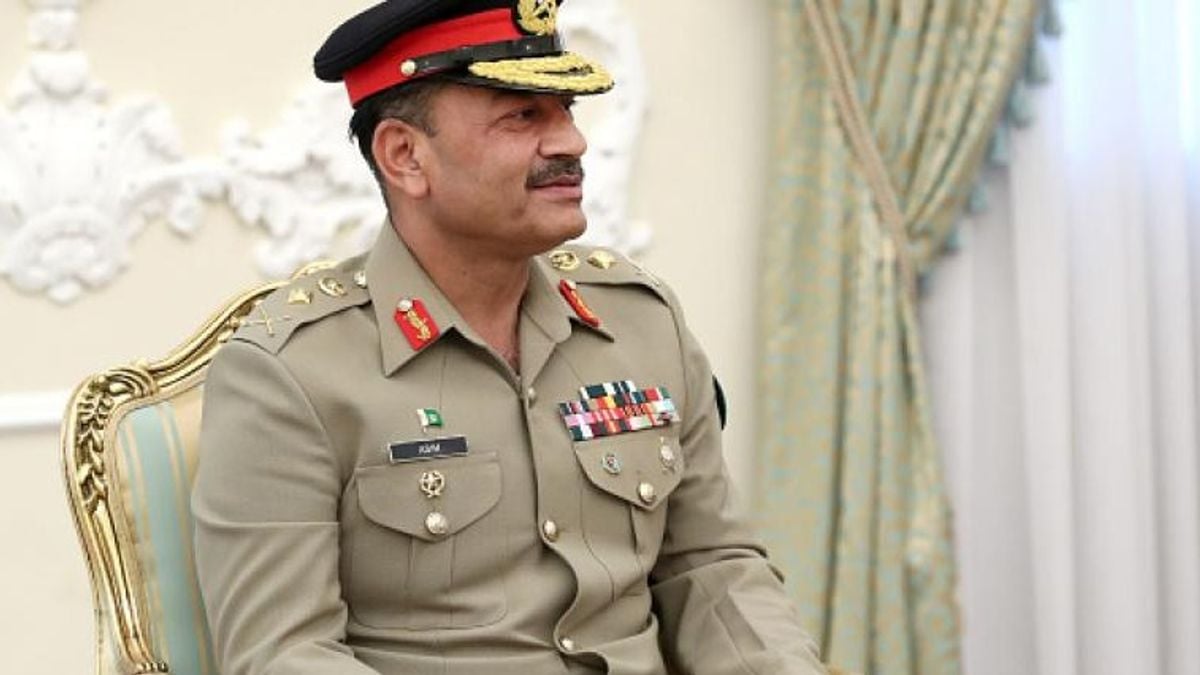
Pakistan’s army chief Asim Munir arrives in Tehran after talks with US President Donald Trump, aiming to mediate a peaceful resolution to US-Iran tensions.
Key Takeaways
AIPakistan’s Chief of Army Staff Asim Munir arrived in the Iranian capital Tehran on Monday, accompanied by a diplomatic delegation, as part of Islamabad’s ongoing efforts to ease tensions between the United States and Iran and encourage both sides to return to negotiations.
Three Pakistani sources confirmed that Munir, who landed in Tehran, had held talks with US President Donald Trump last week, just days before his visit to the Iranian capital, according to Al Arabiya.
Sources told Al Arabiya and Al Hadath that Munir’s visit is focused on achieving a peaceful and lasting solution to the conflict between Tehran and Washington.
The informed sources also indicated on Sunday that the Pakistani army chief is carrying messages from the United States to the Iranian side.
The visit comes amid US threats to impose sweeping and unprecedented economic sanctions targeting Iran and its trading partners.
For its part, Tehran has reiterated its rejection of US conditions for ending the conflict in the Middle East.
Iranian Foreign Ministry spokesperson Esmail Baghaei stated that the country which initiated the armed conflict must bear responsibility for its actions.
Washington and Tehran have so far failed to reach a final agreement on Iran’s nuclear file, and disputes over the Strait of Hormuz continue.
Islamabad played a key role months ago in bringing Iran and the US closer and halting the conflict. In June, its efforts paved the way for a framework agreement that included a ceasefire and negotiations within 65 days. However, the deal collapsed in July after US attacks on Iran and Iran’s continued disruption of navigation in the Strait of Hormuz.