

US intelligence: Iran shifts focus from nuclear program to Hormuz control
A US military intelligence assessment says Iran now prioritizes control of the Strait of Hormuz over its nuclear program, NBC News reports.
Key Takeaways
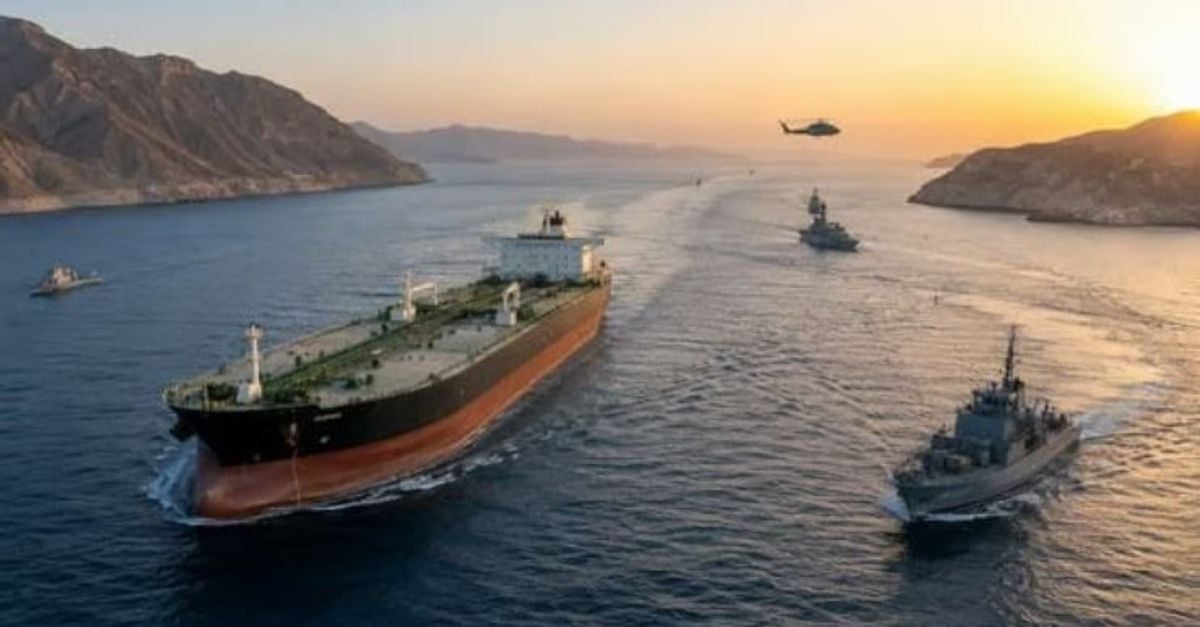
AINBC News has reported that a US military intelligence assessment indicates Iran's strategic priority has shifted from its nuclear program to seeking control over the Strait of Hormuz.
According to the network, citing officials, the assessment concluded that Tehran now views the strait as a more powerful and effective leverage point than its nuclear file, especially after previous strikes targeted its nuclear facilities during earlier stages of the conflict.
Military officials informed President Donald Trump that any US operation to fully control the strait would be lengthy, costly, and bloody, with no guarantee of success. Military plans for such an operation estimate high numbers of American casualties, which became a key factor in Trump's discussions with his advisors regarding next steps toward Iran.
Three European officials and two Gulf Arab officials agreed with this assessment, noting that any attempt to forcibly open the strait would be highly risky and could expose US warships to cruise missile or drone attacks, lead to further increases in oil prices, and still offer no guarantee of a clear victory.
In response, the US administration said the Strait of Hormuz is "fully under the control of the US Navy and nothing passes to Iran unless we allow it, and nothing will pass except after a deal or complete surrender."
Shipping traffic through the strait has dropped sharply compared to pre-war levels, with only 17 vessels passing through over the weekend, down from about 100 ships daily that previously carried around 20% of global oil and gas supplies.
Iran continues to insist on its demands for reopening the strait, including a permanent end to the war, withdrawal of US forces from the region, lifting of the naval blockade, unconditional release of frozen Iranian assets, and compensation for war damages. Trump has rejected these demands, asserting that Iran should pay for the damages it caused to US forces and assets.