

Egypt, Algeria and Tunisia back UN efforts for Libya political process
Foreign ministers of Egypt, Algeria and Tunisia voiced full support for UN-led efforts to advance Libya’s political process and called for foreign forces’ withdrawal.
Key Takeaways
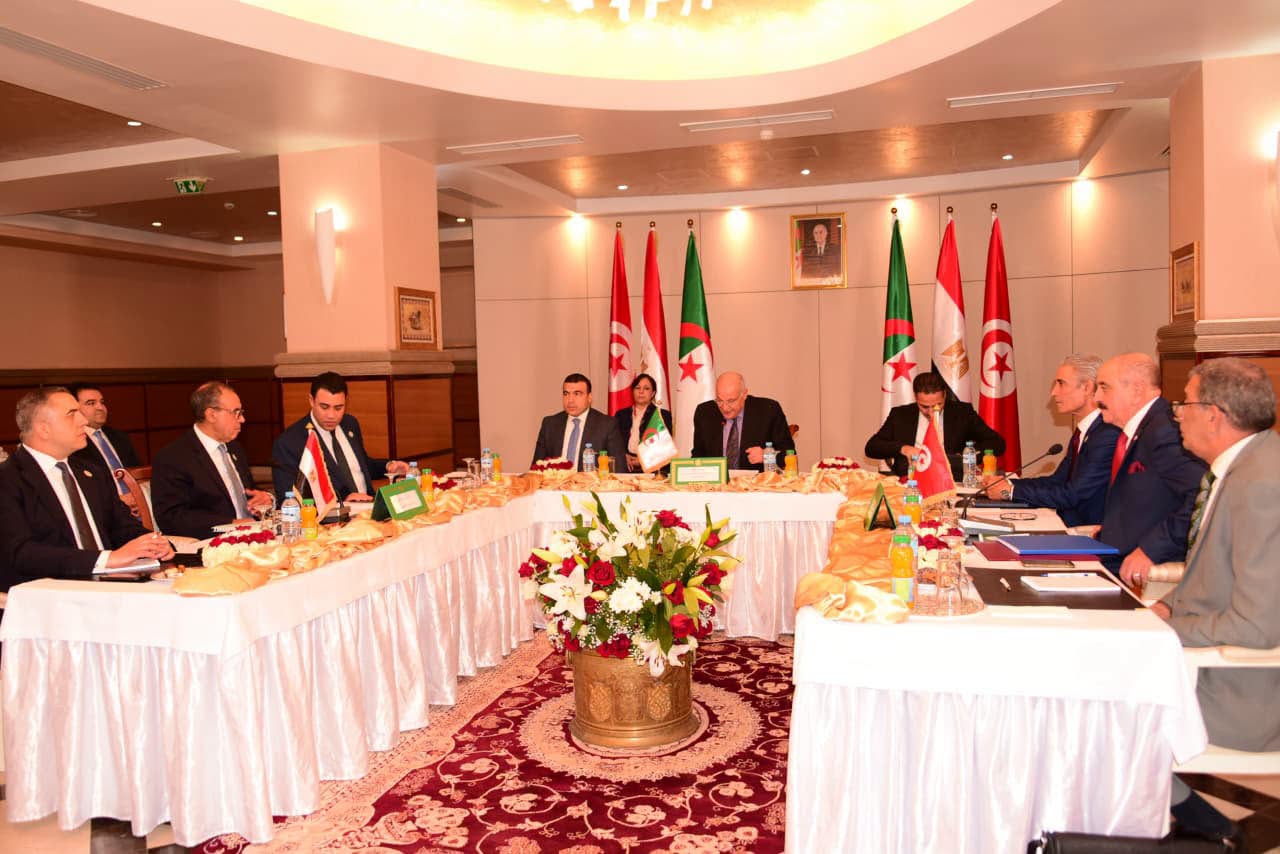
AIEgyptian Minister of Foreign Affairs and International Cooperation Badr Abdelatty, Algerian Minister of Foreign Affairs, National Community Abroad and African Affairs Ahmed Attaf, and Tunisian Minister of Foreign Affairs, Migration and Tunisians Abroad Mohamed Ali Nafti held a trilateral meeting in Algiers on Sunday as part of the tripartite mechanism of Libya’s neighboring countries. The meeting aimed to continue the mechanism’s work and strengthen ongoing consultations among the three countries regarding Libya.
The talks focused on coordinating the positions of neighboring states on developments in Libya. The ministers stressed the importance of a comprehensive approach to the Libyan crisis, addressing not only security and political aspects but also economic and social dimensions to tackle the root causes. They agreed to maintain close consultation and coordination to ensure unified positions that serve the interests and aspirations of the Libyan people.
A joint statement issued after the meeting said the Algiers gathering builds on the outcomes of the Cairo meeting held on May 21, 2026, to follow up on the latest developments in the Libyan crisis and prospects for its resolution.
The ministers affirmed the historic responsibility and central role of the neighboring countries’ mechanism, under UN auspices, in supporting Libya’s political process and backing all serious efforts to end the crisis. They stressed the pivotal role of these countries in monitoring developments in Libya.
The ministers expressed full support for UN and international efforts to facilitate the political process in Libya, with the aim of holding simultaneous, free and fair presidential and parliamentary elections within an agreed constitutional and legal framework. This, they said, would end transitional phases and lead to unified, legitimate constitutional institutions.
They underscored the importance of coordinating regional and international efforts to support an inclusive Libyan-led political process facilitated by the United Nations Support Mission in Libya, thereby reinforcing Libyan ownership of the process.
The ministers also discussed the UN mission’s efforts to implement the political roadmap announced on August 21, 2025, as well as the outcomes of the 4+4 Joint Committee and the framework agreement signed on August 30, 2026.
They stressed that the political process must be Libyan-led and Libyan-owned, with solutions stemming from the will and national consensus of the Libyan people, while safeguarding Libya’s unity, sovereignty and territorial integrity.
The ministers reiterated their categorical rejection of all forms of foreign interference in Libya’s internal affairs. They called for the withdrawal of all mercenaries, foreign fighters and foreign forces from Libyan territory, the preservation of the ceasefire agreement, and the acceleration of unifying all Libyan institutions, including military and security bodies.
The ministers also emphasized the importance of achieving national reconciliation among Libyans and voiced support for the efforts of the relevant Libyan authorities and the African Union, under UN auspices, to achieve this goal.
They highlighted the need to safeguard Libya’s resources and direct them toward development, as well as to protect Libya’s frozen financial assets abroad and ensure their proper management by international financial institutions in line with relevant UN Security Council resolutions.
The ministers urged Libyan parties to take further steps to implement the provisions of the unified spending framework for 2026, announced on February 11, 2026.
They agreed to continue coordination and consultation within international and regional organizations to help resolve the Libyan crisis, and stressed the importance of respecting international law principles in any future agreements or understandings.
At the conclusion of the meeting, the foreign ministers of Tunisia and Egypt thanked Algeria for hosting and its hospitality. The ministers agreed that the next meeting of the mechanism will be held in Tunisia at a date to be determined later.