

US investigates suspected Iranian cyberattacks on 50 oil tankers
The US is probing possible Iranian involvement in cyberattacks targeting dozens of ships and energy tankers, amid concerns over escalating maritime threats.
Key Takeaways
AIThe United States is conducting investigations into possible Iranian involvement in a series of cyberattacks that targeted dozens of ships and energy tankers, amid American concerns that the confrontation with Tehran could expand to include attacks on maritime infrastructure and cyber operations beyond the Middle East.
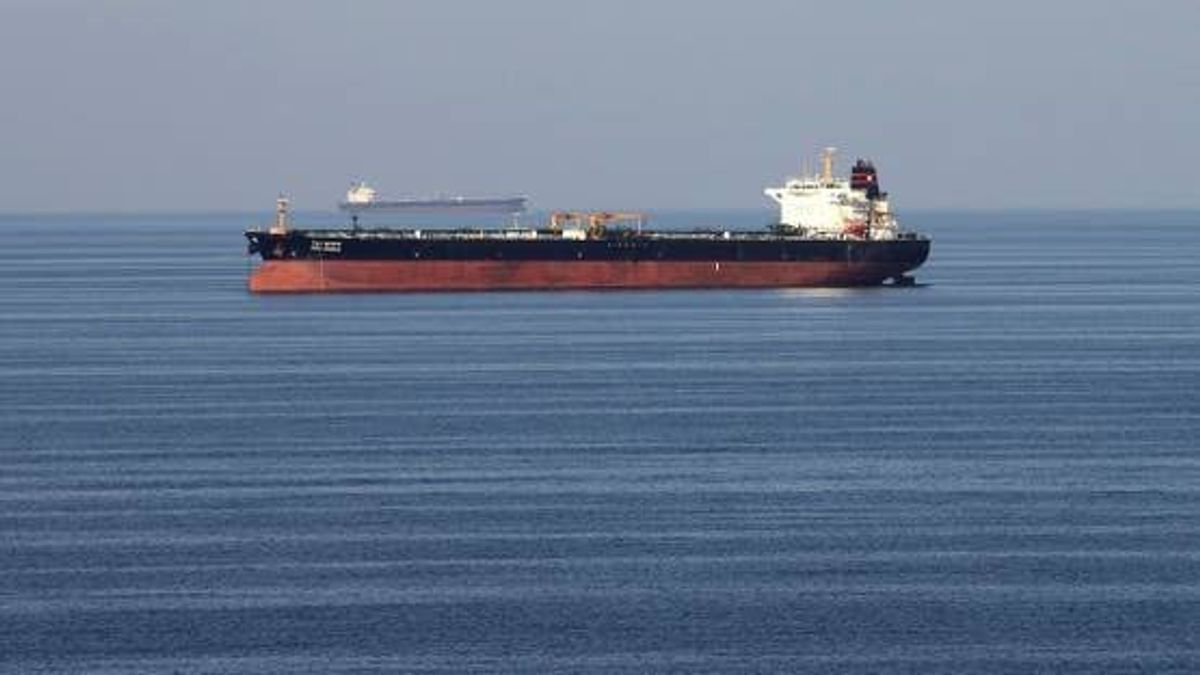
According to the Wall Street Journal on Monday, citing US officials and informed sources, the investigations cover up to 50 vessels believed to have been subjected to cyberattacks. These ships were carrying shipments of oil, liquefied petroleum gas, chemicals, and other hazardous and flammable materials.
The newspaper reported that some targeted vessels received threats of being blown up, while other messages warned against transporting US products, and in some cases, included financial demands.
US authorities consider Iran a primary suspect in the attacks, but are not ruling out possible Russian involvement as investigations continue to identify those responsible and the nature of the cyber breaches.
The report stated that the attacks exploited security vulnerabilities in Fortinet internet routers used by companies in the maritime sector, allowing attackers to breach networks connected to ships and their digital systems.
US concerns have grown over the potential impact of these breaches on ship operating, navigation, and control systems, which could endanger tanker movements, especially given the hazardous nature of their cargo and the risk of fires, explosions, or oil spills in the event of an incident.
The report noted that specialized US Coast Guard cybersecurity teams have dealt with at least four ships bound for American ports, as part of procedures to inspect digital systems and ensure their safe operation.
These investigations come amid rising maritime tensions in the region and threats to shipping and oil tankers, fueling fears that the confrontation could shift to the cyber domain and threaten global energy supply chains.