

Prospects for renewed US-Iran conflict unclear as officials issue mixed signals
US President Donald Trump rules out imminent war with Iran but signals readiness for military action if talks fail, as both sides send mixed messages.
Key Takeaways
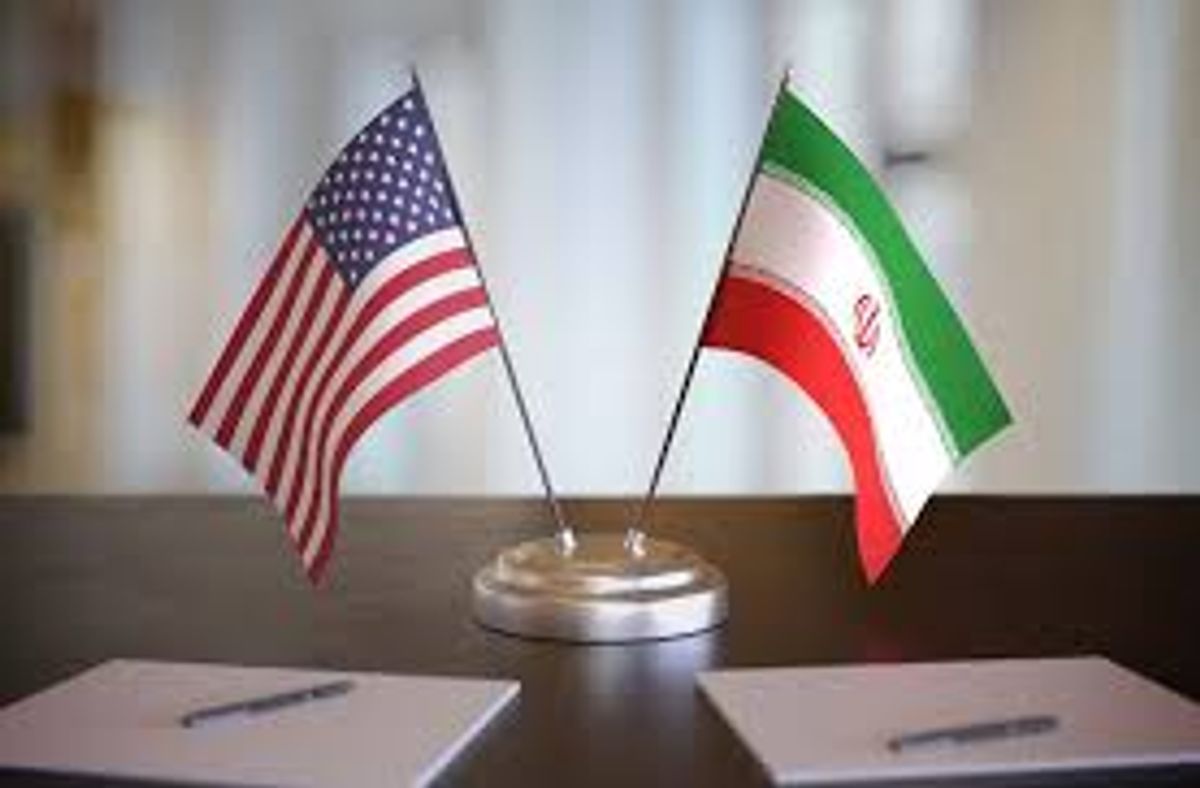
AIUS President Donald Trump has ruled out an imminent resumption of war with Iran, but said he is prepared to restart military operations if necessary, linking any return to confrontation to whether Tehran signs a satisfactory agreement with Washington. The current state of 'neither war nor peace' between the two countries continues, with no signs of resolution in sight.
In comments to CNN, Trump said the United States had dealt heavy blows to Iran in recent times, ahead of a planned meeting with Qatari Prime Minister Sheikh Mohammed bin Abdulrahman bin Jassim Al Thani.
Speaking to CBS News' '60 Minutes', Trump stressed he does not seek to escalate conflict after the midterm elections, saying Tehran is interested in reaching a deal. He added that the US had prevailed in Iran without losing American soldiers.
Meanwhile, US Secretary of State Marco Rubio said talks with Tehran have made no progress so far, describing Iran's demands as unacceptable. He noted that while Trump is open to a peaceful and diplomatic solution, this may not always be possible.
According to the Associated Press, Iran is considering proposals put forward by Qatar, which is acting as the main mediator in negotiations to resolve disputes with Washington over its nuclear program.
On the diplomatic front, sources told Al Arabiya and Al Hadath that the secret Iraqi delegation to Tehran was led by Iraqi Prime Minister Ali Al-Zaidi, who met with Iranian officials and delivered a message from the US side following a visit by US envoy Tom Barrack to Iraq and a phone call between Trump and Al-Zaidi.
For his part, Iranian President Masoud Pezeshkian said Supreme Leader Mojtaba Khamenei had issued instructions to end the state of 'neither war nor peace', affirming Iran's commitment to dialogue and negotiation.
Iranian Foreign Ministry spokesperson Esmail Baghaei described Tehran's two-day plan as the 'most logical' among the proposals, announcing that the International Atomic Energy Agency had visited Bushehr in recent days. He emphasized Iran's firm commitment to the Nuclear Non-Proliferation Treaty and said Iran-Iraq relations should not be affected by external pressures, regardless of their intensity.