

US blockade halts Iranian oil exports from Jask port
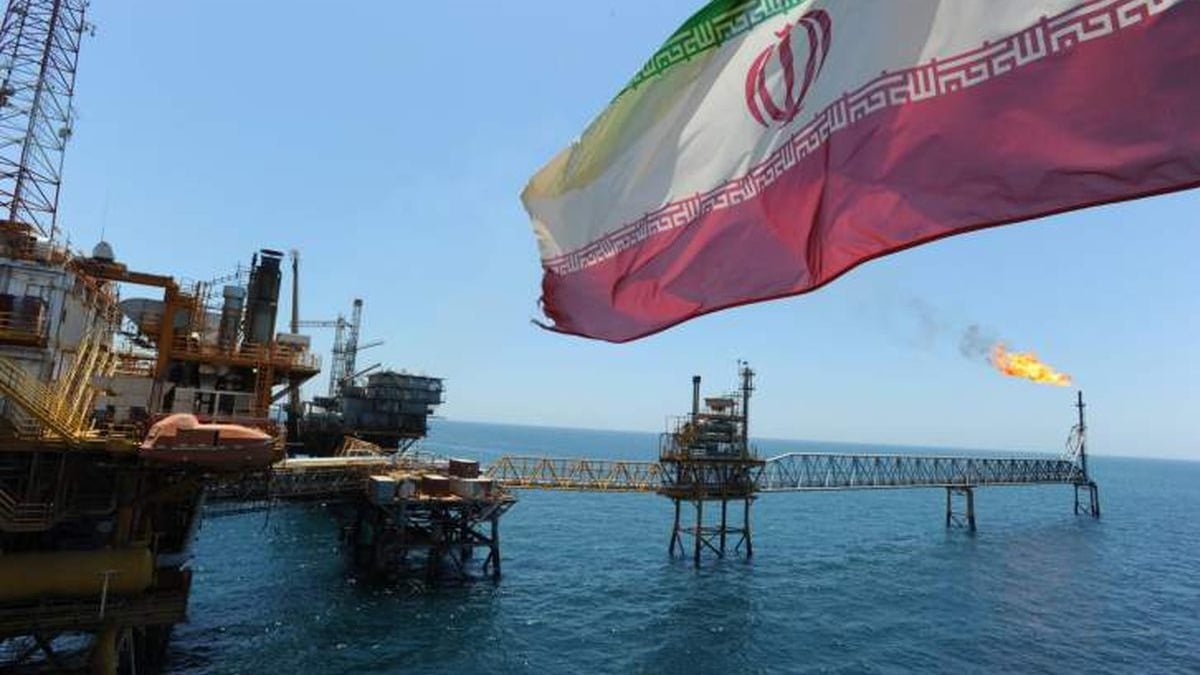
Iran’s Jask oil port has ceased exports in early September due to a US maritime blockade, with hydrocarbon exports now limited to pipeline gas to Turkey and Iraq.
Key Takeaways
AIA US maritime blockade has brought Iranian crude exports from the Jask oil port to a complete halt in the first week of September, according to tanker tracking data from Kpler.
Iran built the port on the Gulf of Oman to bypass the Strait of Hormuz, but the blockade has prevented it from taking advantage of the facility.
Kpler figures show Jask’s exports began in March at 129,000 barrels per day, dropping to 63,000 in April, 54,000 in May, and 91,000 in June—the month a memorandum of understanding was signed to halt conflict.
Exports fell to 76,000 barrels per day in July after the US blockade was reinstated, then to 33,000 in August, and reached zero in the first week of September.
Homayoun Falakshahi, head of crude oil market analysis at Kpler, explained that Jask was constructed to circumvent the Strait of Hormuz as a limited alternative to Kharg Island port, which handles over 90% of Iran’s oil exports.
Iran first used Jask in 2024 after an Israeli airstrike, then during the June 2025 war, and again following the outbreak of the current conflict.
Falakshahi added that the US maritime blockade has halted exports from both Kharg and Jask, effectively reducing Iran’s oil exports to zero.
Jask has a loading capacity of 1 million barrels per day, compared to 7 million at Kharg, but the pipeline supplying Jask can carry no more than 500,000 barrels per day, limiting the terminal to half its design capacity.
US strikes target Iranian oil tankers
US Central Command announced strikes on three Iranian crude tankers on Saturday: one off Kharg, another near Jask, and a third empty vessel in the Gulf of Oman, describing them as part of the Islamic Revolutionary Guard Corps’ “shadow fleet.”
The "Stark 1" tanker targeted near Jask was carrying about 1 million barrels—equivalent to a quarter of Jask’s March exports.
The presence of “shadow fleet” tankers near the ports suggests Iran is still attempting to export small volumes of oil, in addition to crude stored on tankers in the Indian and Pacific Oceans. Bloomberg estimated in July that about 63 million barrels were being imported by independent Chinese refineries.
However, US Treasury Secretary Scott Besant estimated that Iran now has only 30 million barrels left for export to China.
Oil exports fall, gas shipments remain
Iran’s hydrocarbon exports have shifted to pipeline gas deliveries to Turkey and Iraq, according to Francis Perrin of the French Institute for International and Strategic Affairs.
US sanctions are pressuring Ankara and Baghdad to halt payments for Iranian gas.
Turkey has diverse alternatives from Russia, Azerbaijan, and LNG, making it possible to replace Iranian gas. Iraq, which pays for gas by sending fuel oil to Iran, cannot do without Iranian gas, which provides 30-40% of its electricity. Despite having associated gas from domestic oil production, Iraq lacks ready alternatives.