

GCC prioritizes electricity and water development to boost regional integration
The GCC secretary-general said strengthening electricity and water systems is a strategic priority to ensure resource security and sustainability in the Gulf.
Key Takeaways
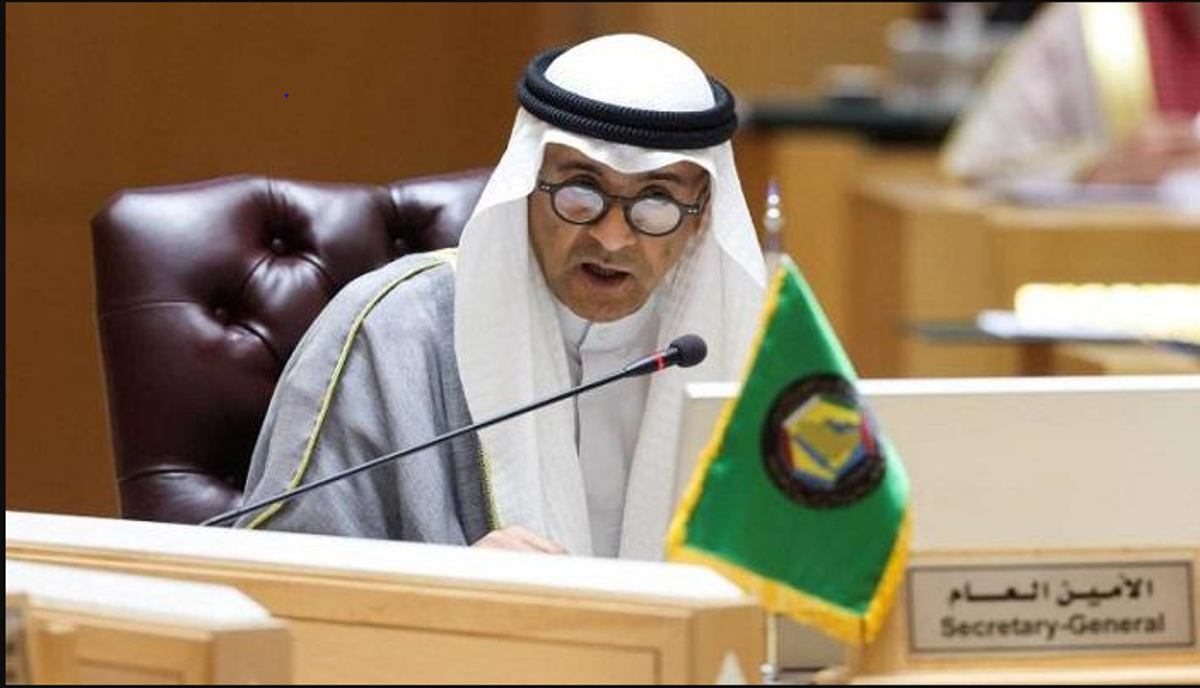
AIJasem Mohamed Albudaiwi, Secretary-General of the Gulf Cooperation Council, has emphasized that developing the electricity and water sectors is a strategic priority and a key pillar of joint Gulf action, given their central role in ensuring resource sustainability, meeting member states’ needs, and enhancing readiness to face challenges and change.
His remarks came during the 31st meeting of the GCC Committee for Electricity and Water Cooperation, held today in Manama, Bahrain, chaired by Bahrain’s Minister of Electricity and Water Affairs, Yasser bin Ibrahim Humaidan, and attended by committee members from across the GCC.
Albudaiwi noted that the outcomes of the 19th consultative summit of the Supreme Council, held in Jeddah on April 28, 2026, underscored the importance of boosting the preparedness of GCC states to confront crises, including studying water interconnection projects and continuing to strengthen electricity interconnection. He stressed the need to translate these directives into effective practical steps and initiatives that support Gulf integration.
Growth in electricity and water production across the GCC
The secretary-general highlighted that the current phase requires accelerating work on several fronts, most notably preparing for rising demand for electricity and water. He stated that total electricity production in GCC countries reached approximately 876,000 gigawatt-hours in 2025, a 9.6% increase over the previous year, while desalinated water output reached 8.5 billion cubic meters, up 10.8%.
He also stressed the importance of improving the efficiency of electricity and water systems by developing production, transmission, and distribution facilities, and expanding the use of modern technologies and smart solutions to reduce losses, enhance operational efficiency, and maximize the use of available resources.
Significant economic benefits from electricity interconnection
Regarding Gulf electricity interconnection, Albudaiwi highlighted the need to accelerate project implementation and maximize economic returns, noting that financial savings from electricity interconnection in 2025 exceeded $952 million, with total savings since the project’s launch reaching $5.2 billion. This, he said, demonstrates its strategic importance in strengthening energy security, improving electricity system efficiency, and expanding energy trade among GCC states.
Water readiness and advancing interconnection projects
In the water sector, Albudaiwi affirmed that supply security and emergency preparedness remain top priorities for GCC countries. He pointed to the need to continue studying the potential for water interconnection projects, alongside existing bilateral initiatives, to enhance the Gulf system’s ability to manage exceptional circumstances and ensure optimal use of water resources.