

Six months of silence: questions mount over absence of Iran’s leader Mojtaba Khamenei
Mojtaba Khamenei has not been seen for six months after being wounded in airstrikes, fueling speculation over his health and role as Iran’s supreme leader.
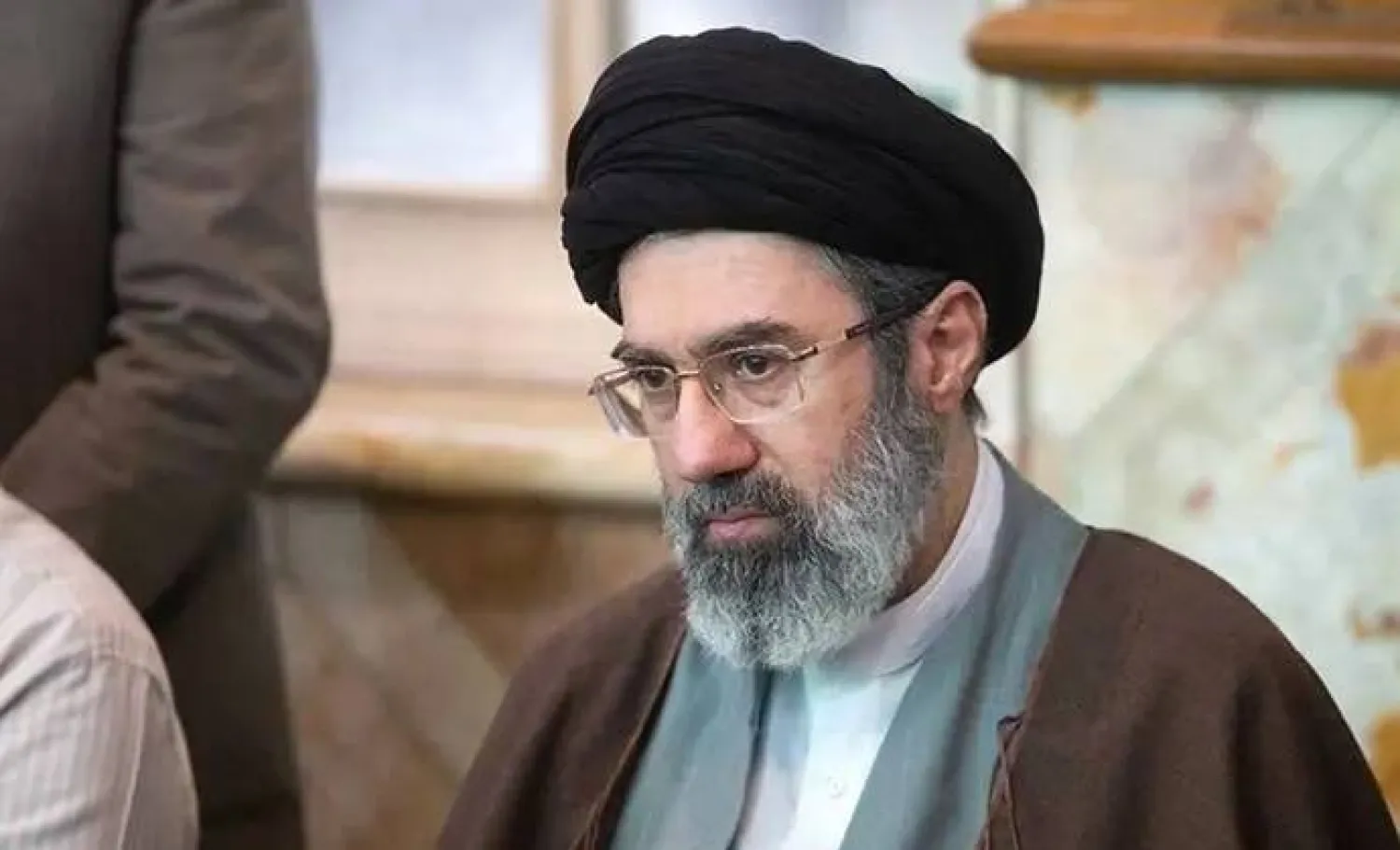
Key Takeaways
AIMojtaba Khamenei, Iran’s supreme leader for the past six months, remains out of public view after suffering serious injuries during the airstrikes that triggered the recent war. His prolonged absence has sparked widespread questions about his health and leadership at a time when Iran faces critical decisions regarding the conflict and its impact on the national economy.
Senior Iranian officials and sources say Khamenei is managing state affairs from behind the scenes for security reasons as he recovers, having delegated broad powers to a group of top officials. However, no photos, audio, or video recordings of him have been released since his appointment, deepening public doubts about his actual role at the helm of the country.
Alex Vatanka of the Middle East Institute in Washington noted that concerns now extend beyond Khamenei’s wellbeing to whether he is truly fulfilling his duties. His communications have been limited to written statements read by broadcasters, and he was absent from his father’s funeral. Senior officials have attributed his absence to fears of assassination, insisting he holds regular meetings and makes final decisions on key issues.
President Masoud Pezeshkian said he met with Khamenei for seven hours on August 10, but the lack of any public appearance has affected morale even among regime loyalists. Meanwhile, opposition figures have voiced doubts about Khamenei’s continued leadership, demanding proof that he is alive and actively involved in decision-making.
IRGC consolidates power amid leader’s absence
Iran has endured six months of war despite exhaustion, with its political system remaining intact and the military still able to influence energy supplies and target US allies. The ruling religious establishment has shown flexibility in adapting to the absence of the supreme leader and senior military commanders, maintaining a leadership hierarchy loyal to its religious ideology.
The Iranian economy faces severe pressure from the war and the blockade on oil exports, leading to a collapse of the rial and fears of renewed mass protests. In response, the ruling establishment has reprioritized to preserve the state, restore deterrence, and prevent economic fallout that could threaten stability.
Sources confirm that the Islamic Revolutionary Guard Corps has strengthened its position at the top of the power structure since the war began, becoming central to strategic thinking in the Supreme National Security Council, which includes top IRGC commanders alongside President Masoud Pezeshkian and Parliament Speaker Mohammad Bagher Ghalibaf. Well-informed sources say Khamenei continues to meet with these figures and is fully involved in major decision-making.
Officials explain that only a handful of leaders have direct contact with Khamenei, and the secrecy surrounding his condition is due to security concerns. Associates report that his health is improving and he remains engaged in governance, while another official said public services and foreign policy remain stable, indicating the supreme leader still holds the reins of power.
Before the war, Mojtaba preferred to work behind the scenes as an aide to his father, avoiding the spotlight. His injuries from airstrikes left his appearance disfigured, but since assuming the role of supreme leader during the current crisis, such explanations no longer satisfy many Iranians. Vatanka stressed that any deal with Washington or decision to continue the conflict requires Mojtaba’s explicit approval, warning that his prolonged absence has created a dangerous situation where rival factions can claim to represent the supreme leader’s wishes.