

Iranian parliament speaker says missiles can now strike any target
Iran's parliament speaker claims the country can now launch missiles without restrictions at any target, citing advances since the Iran-Iraq war.
Key Takeaways
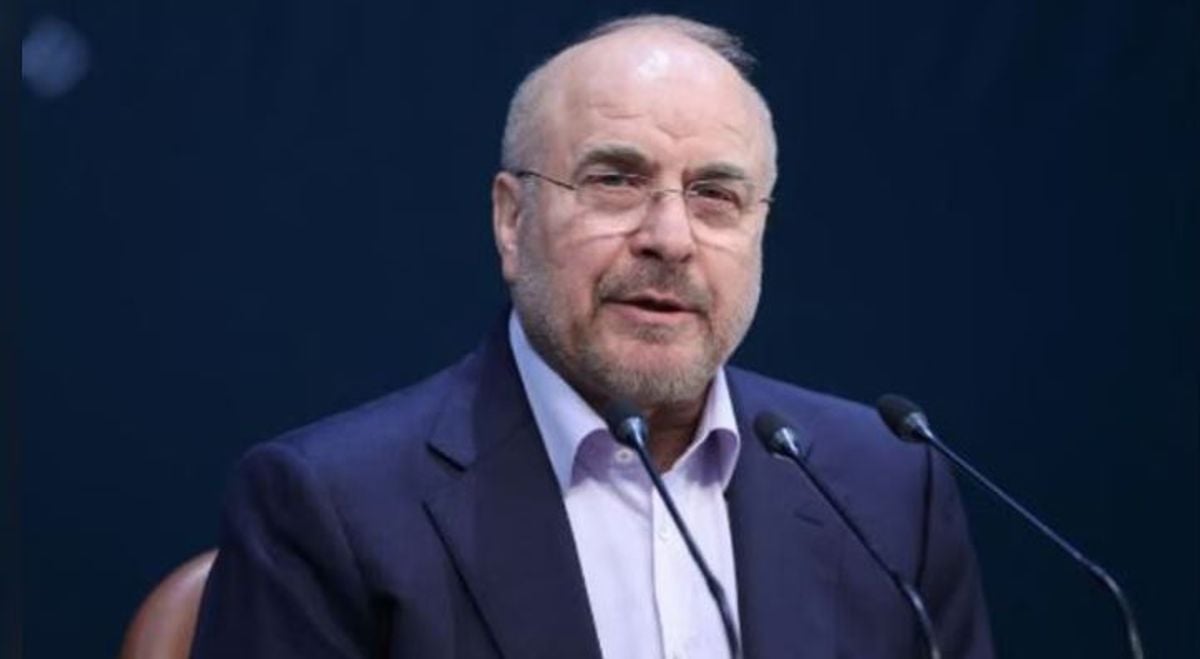
AIIranian parliament speaker Mohammad Bagher Ghalibaf said on Monday that Iran can now launch its missiles without restrictions at any target it chooses.
According to Iran's Tasnim news agency, Ghalibaf made the remarks during a ceremony honoring veterans of the 'Sacred Defense'—the term used in Iran for the 1980s Iran-Iraq war. He noted, "This is the first year our leader is not with us; if not for the wisdom and foresight of the martyred commander, the culture of the Sacred Defense might not have come to the country's aid as it does today."
Ghalibaf continued: "During the years of the Sacred Defense, we couldn't even buy barbed wire, and our artillery fire couldn't reach beyond 14 or 15 kilometers. Artillery shells were rationed. It is this culture that has brought us to a point where today we can target any location we wish with our missiles, without limitations."
The parliament speaker added: "Today, in this hybrid war—economic, military, diplomatic, and more—we will never surrender or paralyze the country. We will respond forcefully, as we have done so far, and have left the enemy powerless in every arena."
Separately, Iranian Foreign Ministry spokesperson Ismail Baghaei earlier today responded to U.S. accusations that Iran is responsible for rising global fuel prices, calling the claims "a blatant American attempt to cover up its own failures" in managing energy markets and to evade responsibility for crises caused by its unilateral policies.
Baghaei wrote on his official X account, "U.S. officials blame Iran for higher fuel prices, believing people are so quick to anger that they forget who started the military aggression and how those actions led to a crisis that disrupted commercial shipping and closed the Strait of Hormuz."