

Syria aims for oil self-sufficiency by 2028, says energy minister
Syria's energy minister says the country expects to achieve oil self-sufficiency by 2028 and reach satisfactory gas output levels within seven years.
Key Takeaways
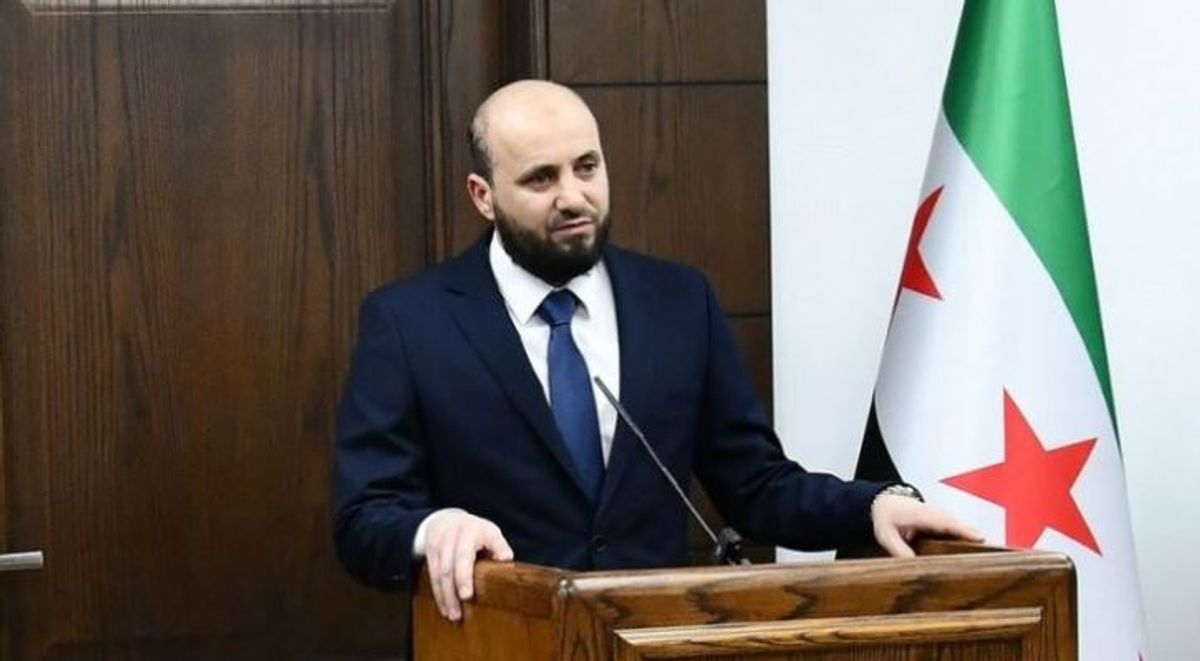
AISyrian Minister of Energy Mohammed Al-Bashir said the ministry has a strategic plan to boost oil production, noting that the country expects to achieve oil self-sufficiency by 2028. He added that it will take about seven years for gas production to reach satisfactory levels.
Speaking before the Syrian People's Assembly, according to the Syrian News Agency, Al-Bashir stated that domestic oil production stands at 112,000 barrels per day, with a shortfall of 200,000 barrels that is currently imported. He said Syria is working to sign contracts with friendly oil-producing countries until self-sufficiency is reached.
The minister confirmed that Syria requires $831 million per month to purchase crude oil and petroleum products, and sometimes resorts to negotiated contracts due to the global energy crisis affecting the sector.
Al-Bashir explained that electricity for households, industry, and commerce remains subsidized under the current tariff system, with subsidies covering 75 percent for the first tier, 42 percent for the second, 30 percent for exempted lines, and 26 percent for industrial and high-voltage users.
Regarding gas, Al-Bashir said Syria currently purchases 6.3 million cubic meters daily—equivalent to $140 million per month—from Azerbaijan and from a vessel docked at Jordan's Aqaba port.
Al-Bashir noted that the ministry has signed a memorandum of understanding with a consortium of companies to replace the Kirkuk–Baniyas pipeline in cooperation with Iraq, adding that Syria could benefit from transit fees and priority access to oil via the Kirkuk–Baniyas route.
View the post on X