

Mossad chief, Syrian foreign minister discuss Turkish military presence
Three sources say Israel’s Mossad chief spoke with Syria’s foreign minister on August 14 about Turkish military activity in Syria, days before an Israeli airstrike.
Key Takeaways
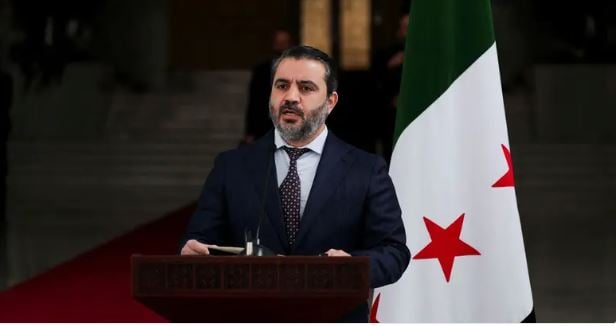
AIThree informed sources have revealed that Mossad chief Roman Gofman held a phone call with Syrian Foreign Minister Asaad Al-Shaibani on August 14, during which the two discussed the Turkish military presence in Syria. The conversation took place just days before Israel carried out an airstrike on Syria’s Abu al-Duhur airbase.
According to the sources, this call represents the highest-level contact known so far between Israel and the Syrian administration in Damascus, led by President Ahmed Al-Sharaa.
The Israeli Prime Minister’s Office, which handles inquiries related to Mossad, declined to comment on the call. There was also no comment from a spokesperson for Al-Shaibani. Turkey’s Ministry of Defense declined to comment, and the Turkish Foreign Ministry did not respond to a request for comment.
Turkish presence central to the call
One source said the call focused on Israeli inquiries about what was described as an increase in Turkish military activity inside Syria, as well as arms supplies, drones, and other issues related to Turkish military support.
A second source, a senior official, said Gofman used the call to ask about weapons Turkey is providing to the Syrian army.
A third informed source confirmed the call took place, noting that the Turkish military presence in Syria was among the topics discussed by the two officials.
The call came four days before Israel struck the Abu al-Duhur airbase. After the attack, Israeli Prime Minister Benjamin Netanyahu said Damascus was close to allowing Turkish forces to be deployed at the base, despite repeated Israeli warnings that such a deployment would threaten Israel’s security.
In a video posted on X on Wednesday, Netanyahu said Israel would not accept a Turkish military presence in Syria that it views as a threat, adding that Israel had previously issued warnings on the matter.
Turkey rejects Israeli accusations
Relations between Turkey and the Al-Sharaa administration have strengthened since Bashar Assad was ousted in 2024, after Ankara had supported the armed opposition during the Syrian civil war. This has raised Israeli concerns over growing Turkish influence near its northern border.
In July, Al-Sharaa said Syria was working toward a security agreement with Israel, while also seeking to involve a broad group of countries to pressure Israel to adopt a more balanced policy toward Syria.
For its part, the Turkish presidency rejected what it called Israel’s “baseless allegations” regarding its military activities in Syria, accusing Israel of seeking to justify what it described as illegal airstrikes that violate Syria’s sovereignty and territorial integrity.
Ankara affirmed its continued cooperation with the Syrian government to support a project aimed at establishing peace, stability, and prosperity, without mentioning any specific plans for a potential military deployment.
Washington seeks to prevent escalation
Following the Israeli strikes, Tom Barak, the US ambassador to Turkey and special envoy to Syria and Iraq, described the attacks as “unnecessary escalation” that does not serve regional stability.
Barak said the United States is working to establish a mechanism to prevent escalation between Israel, Turkey, and Syria, noting that Washington is already facilitating an information-sharing and dialogue mechanism among the three parties.