

ICC advances contingency plans, pays staff ahead amid possible US sanctions
The International Criminal Court has taken steps to mitigate potential US sanctions, including paying staff salaries in advance and seeking alternative tech and banking services.
Key Takeaways
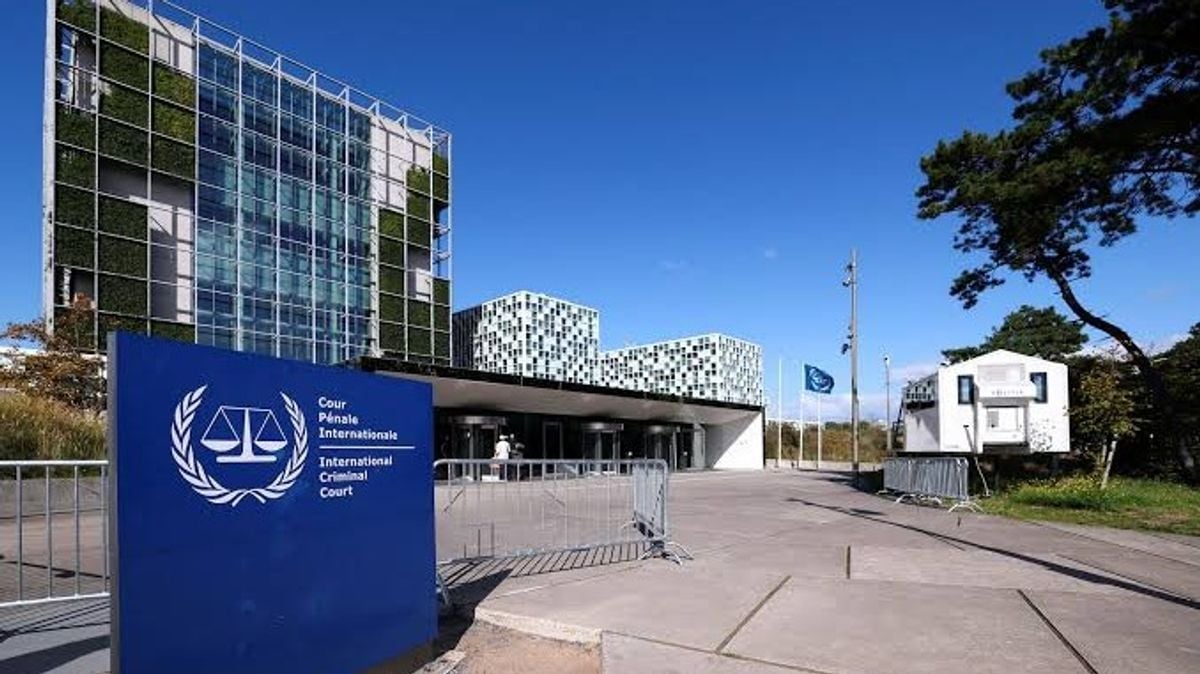
AIThe International Criminal Court has implemented a series of measures to minimize the impact of possible US sanctions that could target the entire institution. These steps include paying staff salaries several months in advance and seeking alternatives for technology and banking services, as the Hague-based court has been preparing for potential new restrictions for about a year.
According to the Financial Times, ICC Deputy Prosecutor Nazhat Shameem Khan said the court began these preparations after hearing "rumors" of imminent US action, though it has not yet received any official notification of new sanctions.
Khan stated, "The law must prevail over power," emphasizing that the court is not waiting for sanctions to act and has already put "safeguards" in place to limit the effects of any measures against it.
Preparations have included reviewing the court's technology systems. Over the past year, the ICC has started migrating its office software from US-based Microsoft services to Germany's openDesk platform, after staff were informed that more than 90% of operations relied on American technology.
On the financial and administrative side, the court has arranged alternative banking and health insurance services, reviewed travel and remote work arrangements, and maintained backup procedures such as downloading and printing important files in case of operational disruptions.
The court declined to disclose details of some alternative banking and insurance arrangements, fearing that revealing them could undermine their effectiveness. It has also paid staff salaries several months in advance to reduce the impact of any payroll disruptions should sanctions extend to the institution itself.
Khan said these measures are still "under development," but stressed that the court has made significant progress in strengthening its ability to operate independently if new restrictions are imposed.
These preparations come amid reports this week that the administration of US President Donald Trump is preparing to impose measures against the entire court, escalating tensions between Washington and the ICC over investigations involving Israeli and American officials.
One of the main points of escalation dates back to November 2024, when the ICC issued arrest warrants for Israeli Prime Minister Benjamin Netanyahu and former Defense Minister Yoav Gallant on charges of war crimes and crimes against humanity related to the war in Gaza.
Netanyahu and Israel reject these charges and the court's jurisdiction, as does the United States, arguing that neither country is a party to the Rome Statute.
In February 2025, Trump issued an executive order allowing sanctions against ICC officials, accusing the court of taking "illegitimate" actions against the US and Israel. According to the White House, the order authorized freezing assets and financial interests under US jurisdiction of those listed, and permitted targeting foreigners deemed by Washington to have participated directly in the court's efforts to investigate US citizens or citizens of allied countries that do not recognize the court's jurisdiction, or who provided material or technical support to such efforts.
US actions did not stop there; Washington imposed sanctions on ICC officials, including four judges, freezing assets under US jurisdiction and restricting dealings with them. The Trump administration said these steps were in response to the court's moves against the US and Israel, while the court rejected the measures and insisted on its independence.
Khan explained that the impact of sanctions is not necessarily limited to those directly targeted, noting that some ICC officials affected by sanctions have faced what she described as "over-compliance," as some institutions imposed restrictions exceeding the direct requirements of the sanctions, forcing them to find alternative ways to continue their lives and transactions.
Khan herself was subjected to US sanctions last year, according to the Financial Times.
The current escalation recalls the sanctions imposed by Washington during Trump's first term on former ICC Prosecutor Fatou Bensouda and another official in the prosecutor's office over the Afghanistan investigation, before former President Joe Biden's administration lifted those sanctions in April 2021, despite ongoing US objections to some ICC actions.
With the return of broader sanctions under the current Trump administration, the court continues to stress that its work is based on the Rome Statute and that external pressure will not halt its investigations. Its current preparations focus on ensuring the continuity of its financial, technological, and operational activities in the face of any new US restrictions.