

Iran reiterates control over Strait of Hormuz as Pakistan pushes for truce extension
Iran reaffirms its control over the Strait of Hormuz while Pakistan seeks to extend the ceasefire between Tehran and Washington.
Key Takeaways
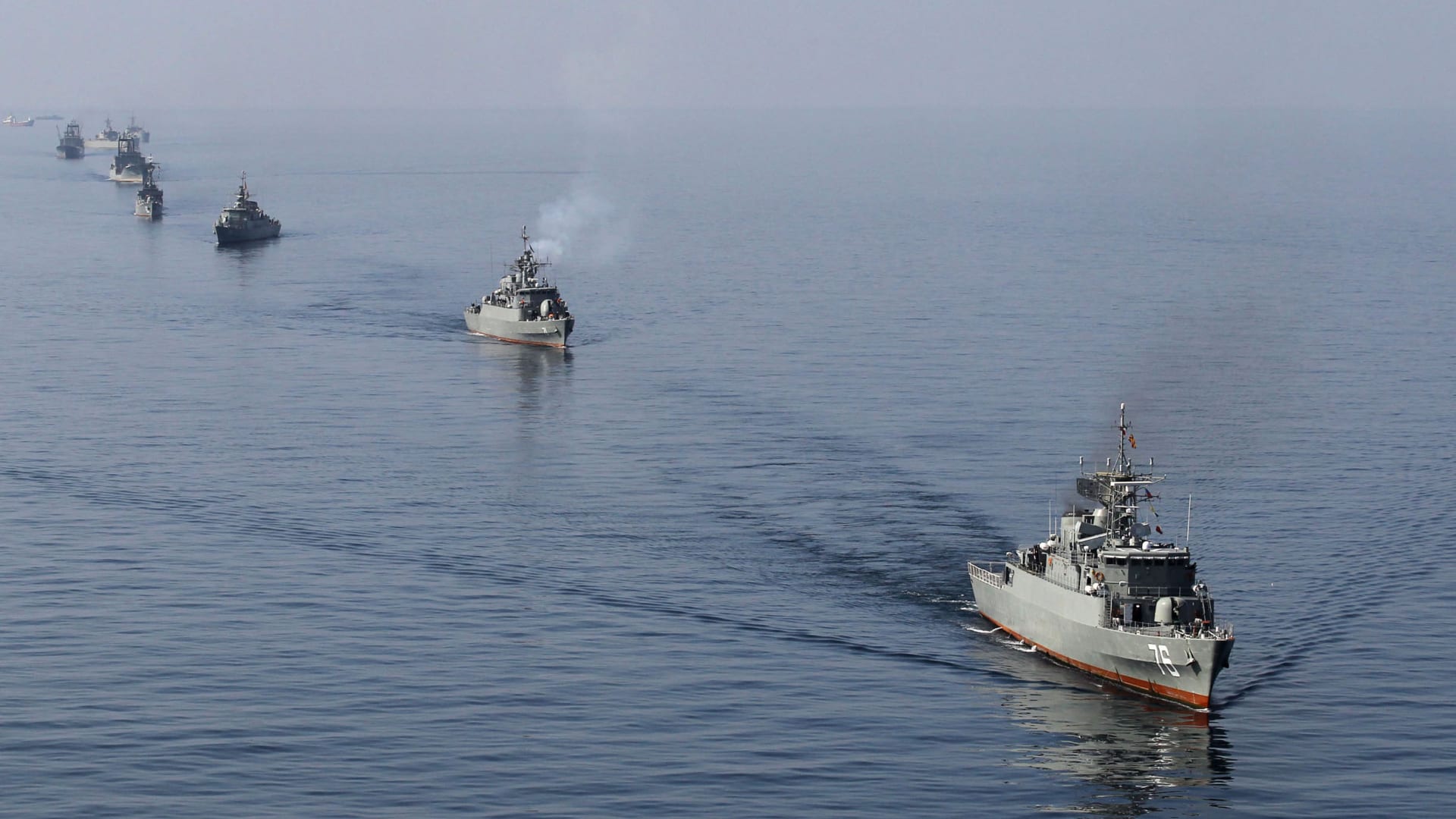
AIIran on Thursday reiterated its full control over the Strait of Hormuz, as Pakistan continued efforts to extend the ceasefire between Iran and the United States and to bridge differences ahead of possible renewed negotiations.
Hossein Taeb, commander of the Basij paramilitary forces under the Islamic Revolutionary Guard Corps, said the Strait of Hormuz is "under Iran's control and management," adding that the United States "tried to undermine the Islamic Republic's standing in the region by launching another war in the Strait of Hormuz, but was defeated once again," according to Iran's Fars News Agency.
Taeb added that "Hormuz today is under the management and control of the Islamic Republic," stressing that Iran continues on its path in complete security.
Meanwhile, U.S. President Donald Trump wrote on his Truth Social platform that the United States has "full control" over the strategic waterway, marking a new escalation in rhetoric between the two sides.
Ceasefire developments and mediation efforts
The United States and Israel launched an attack on Iran on February 28, prompting Tehran to retaliate by striking countries in the region and targeting commercial vessels in the Strait of Hormuz. In mid-April, the U.S. president announced a unilateral ceasefire in the conflict.
By mid-June, the United States and Iran, with Pakistani mediation, reached a framework agreement for a ceasefire. However, both sides violated the agreement in July, with Trump declaring on July 7 that the deal was "over," and Iran's foreign ministry later suspending its participation.
Diverging positions on the strait
Since then, both sides have continued to assert their control over the vital global shipping lane, each holding firm to their demands. The United States calls for the strait to be opened unconditionally, while Iran insists on conditions, including a permanent end to U.S. attacks and compensation for the conflict.