

South Africa’s Navi Pillay wins Nobel Peace Prize
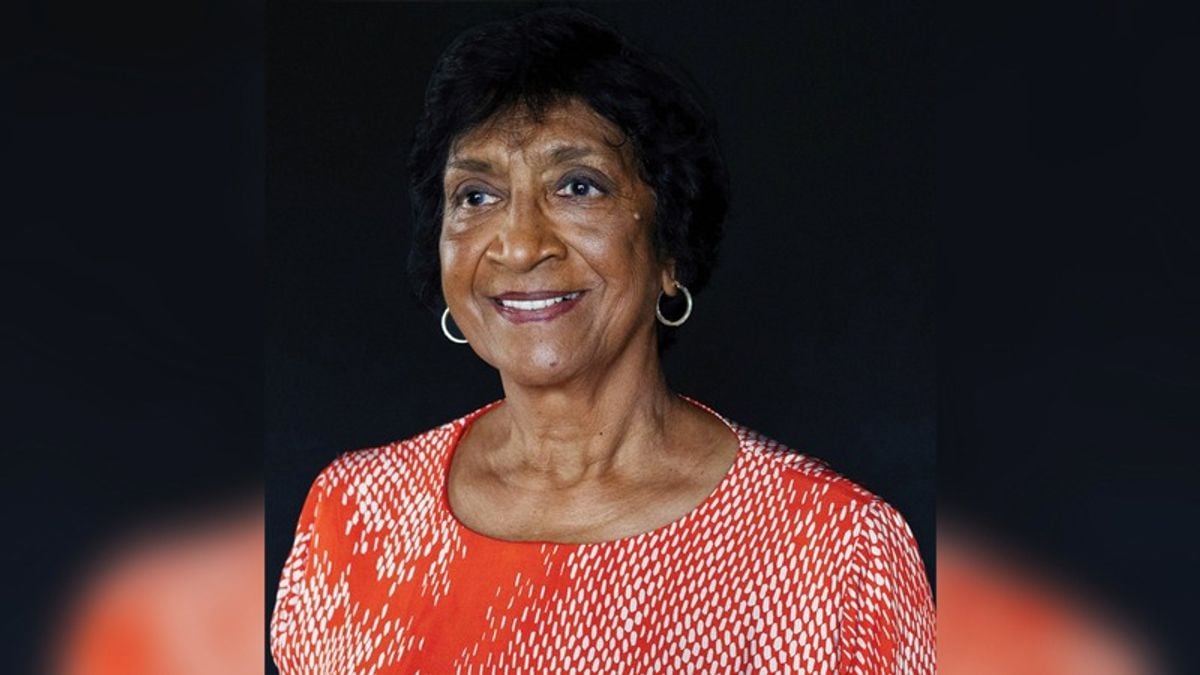
Former UN human rights chief Navi Pillay, known for her anti-apartheid activism and global rights advocacy, has been awarded the Nobel Peace Prize.
Key Takeaways
AINavi Pillay, the former United Nations High Commissioner for Human Rights from South Africa, was awarded the Nobel Peace Prize on Friday in recognition of her long-standing commitment to defending human rights and fighting discrimination.
Pillay, a South African lawyer, rose to prominence during the apartheid era, securing better conditions for political prisoners on Robben Island, including Nelson Mandela. She continued her advocacy after retirement, chairing a UN commission investigating rights violations in Israel and the Palestinian territories.
Now 81, Pillay has faced accusations of antisemitism during her work on the commission, but she defended her colleagues and stressed that the committee enjoys broad moral support worldwide. She has said that growing up in an unjust society inspired her to confront discrimination wherever it exists.
Born in Durban in 1941 to a Tamil family, Pillay grew up in a poor neighborhood. She earned her master's and doctorate in law from Harvard University, and founded the first law firm for a Black woman in KwaZulu-Natal. In 1973, she secured the right for political prisoners on Robben Island to have legal representation.
After Nelson Mandela became president, Pillay was appointed as the first woman of color to serve on South Africa’s Supreme Court, and was later recommended for the International Criminal Tribunal for Rwanda. In 2008, she became UN High Commissioner for Human Rights, a post she held until 2014. She currently chairs the International Commission Against the Death Penalty.
Pillay has publicly criticized crackdowns in some Arab countries, and has said that while South Africa’s constitution is strong, it needs competent leadership. She has expressed her pain over deteriorating conditions and the misuse of taxpayers’ money.