

Yemeni government activates general mobilization as fighting intensifies in Taiz, Lahj
Yemen's Cabinet has adopted measures to implement general mobilization amid escalating clashes in Taiz and Lahj, directing state institutions to boost readiness.
Key Takeaways
AIYemen's Cabinet has approved a set of executive measures to turn the general mobilization decision into actionable programs, as fighting escalates in the provinces of Taiz and Lahj. The government directed state institutions to raise their readiness, mobilize national resources and capabilities, and strengthen coordination among government, military, and security agencies.
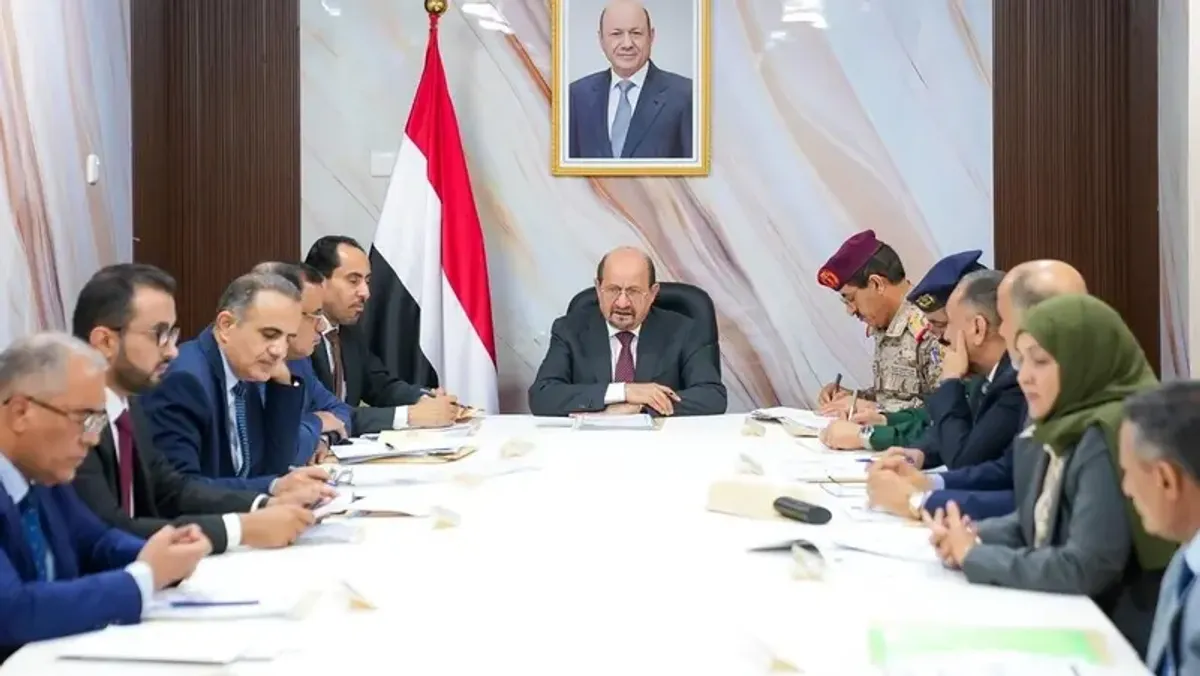
The decisions were made during a Cabinet meeting held Thursday in Aden, chaired by Prime Minister Shaya Al-Zandani. He emphasized that the armed forces, resistance groups, and tribes are engaged in confrontation with the Houthis, while the government is responsible for upholding state institutions, protecting the economy, and ensuring services and citizens' safety. Al-Zandani stressed that his government would continue to operate on the ground, stating, “This is a government in the trenches, present in the field,” and insisted that government offices would not be a barrier between officials, citizens, or frontline forces.
The Cabinet outlined an implementation path for general mobilization, including integrating the efforts of ministries, institutions, and local authorities, mobilizing human and material resources, and enhancing coordination among state, military, and security bodies to transform mobilization from a decision into an organized institutional effort.
On the ground, the Cabinet discussed military and security developments across various fronts, focusing on the escalation in Taiz and attempts to advance into areas of Lahj. The government affirmed its commitment to further raising combat and security readiness, supporting the frontlines, and strengthening the capabilities of the armed forces and security agencies.
Al-Zandani warned that treating the conflict as a local issue is a mistake, arguing that the Houthis make no distinction between provinces and do not recognize political diversity or Yemenis' right to choose their future. He added that restoring state authority across all Yemeni territory, according to the government's position, does not aim to exclude any party or suppress any cause, but rather to ensure a secure and stable state whose political choices reflect the will of the Yemeni people.
The prime minister also cautioned about the implications of developments on the western coast and toward Bab Al-Mandab, saying their impact extends beyond Yemen's conflict to affect international shipping, trade, and supply line security. He accused Iran of supporting the Houthis and enhancing their military capabilities.
On the economic and services front, the Cabinet discussed measures to maintain market stability, secure essential goods, and ensure regular payment of salaries and government obligations. The government also resolved to boost the readiness of health and service sectors and take urgent steps to address electricity issues.
On the humanitarian side, the Cabinet instructed the government and local authorities to prepare for the consequences of the escalation, including receiving and sheltering displaced people and providing them with health and food care in coordination with international organizations and humanitarian partners. The government also stressed the importance of securing food and medicine stocks and maintaining uninterrupted services.
Regarding Saudi support, the Cabinet praised the assistance provided to the Yemeni government and welcomed Saudi Arabia's commitment to supporting the restoration of stability and state authority across the country. The Cabinet also commended the deposit of the third tranche of budget support, worth $60 million, into the Central Bank of Yemen, saying this aid would help the government meet its obligations and maintain the functioning of its institutions and services.
Al-Zandani instructed the preparation of clear plans, swift decision-making, and daily follow-up to implement the requirements of general mobilization, stressing that the government is committed to mobilizing resources, raising readiness, and directing capabilities toward restoring state authority across all Yemeni territory.